Brown Great Danes: The Truth Behind This Misunderstood Coat Color
Have you ever searched for a brown Great Dane only to realize that it isn’t an official coat color recognized by the Great Dane Club of America? Many people confuse brown Great Danes with the fawn Great Dane, one of the most regal and iconic coat colors of the breed. But if you’re convinced that a brown Great Dane is what you’re looking for, let’s explore how this misunderstood coat color comes about, and why it might not be the best choice.
Are Brown Great Danes Real?
According to the official AKC breed standard, there are only seven recognized Great Dane coat colors:
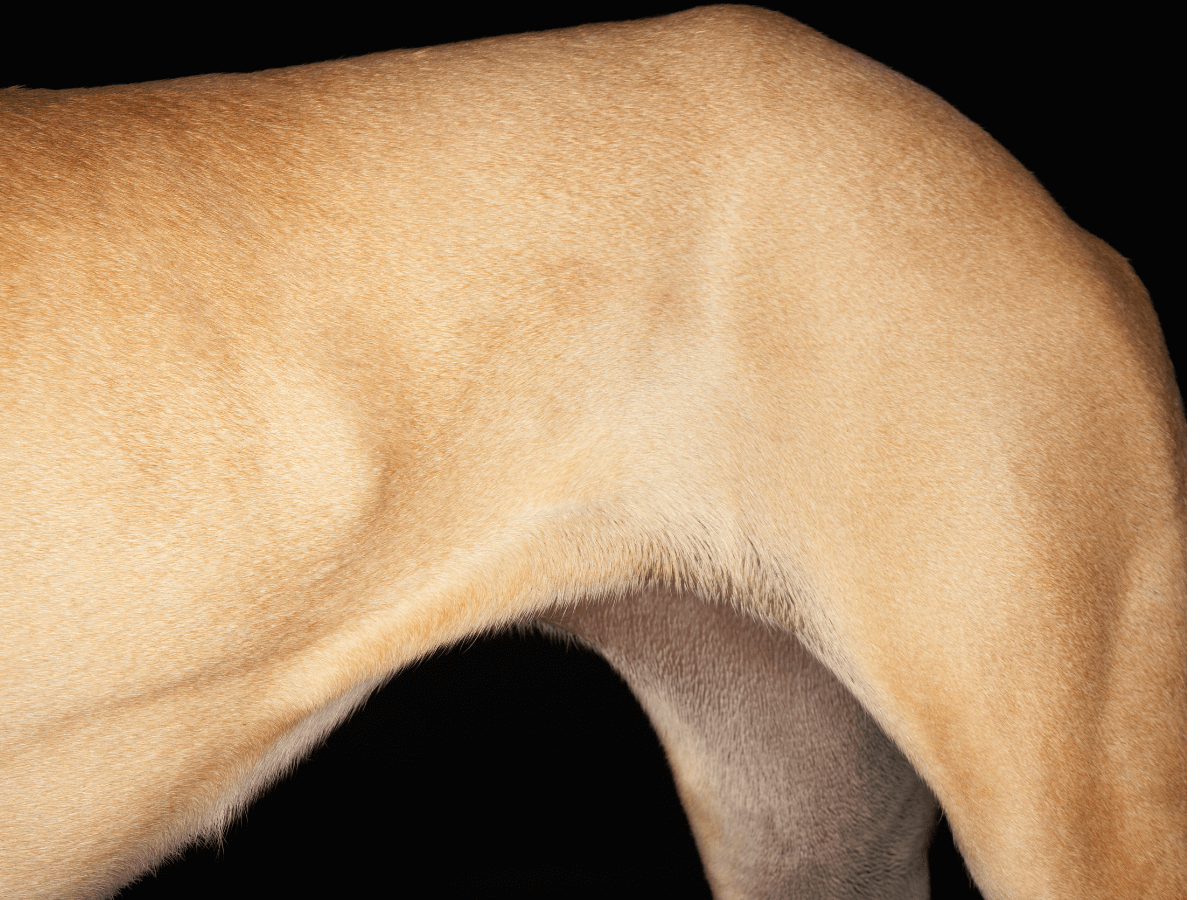
- Fawn (golden-yellow with a black mask)
- Brindle (striped fawn and black pattern)
- Black (solid black)
- Blue (steel-gray)
- Harlequin (white with black patches)
- Mantle (black with white markings)
- Merle (gray base with darker patches)
How People Confuse Fawn with Brown
The fawn Great Dane is one of the most sought-after coat colors in the breed. Its coat can range from pale yellow-gold to a deep tan, sometimes appearing "brownish" in certain lighting or photographs. This natural variation often causes confusion among people unfamiliar with official breed standards.
If you’ve been searching for a “brown Great Dane,” it’s very likely you’ve been envisioning a fawn Great Dane without realizing it. Fawn Great Danes are recognized for their elegance, loyalty, and stunning appearance, earning them a reputation as one of the most regal-looking dog breeds.
But What If You Really Want a Brown Great Dane?
If you’re set on finding a "brown Great Dane," you should understand how this coat color comes about, and why it isn’t a recognized or recommended breeding practice.
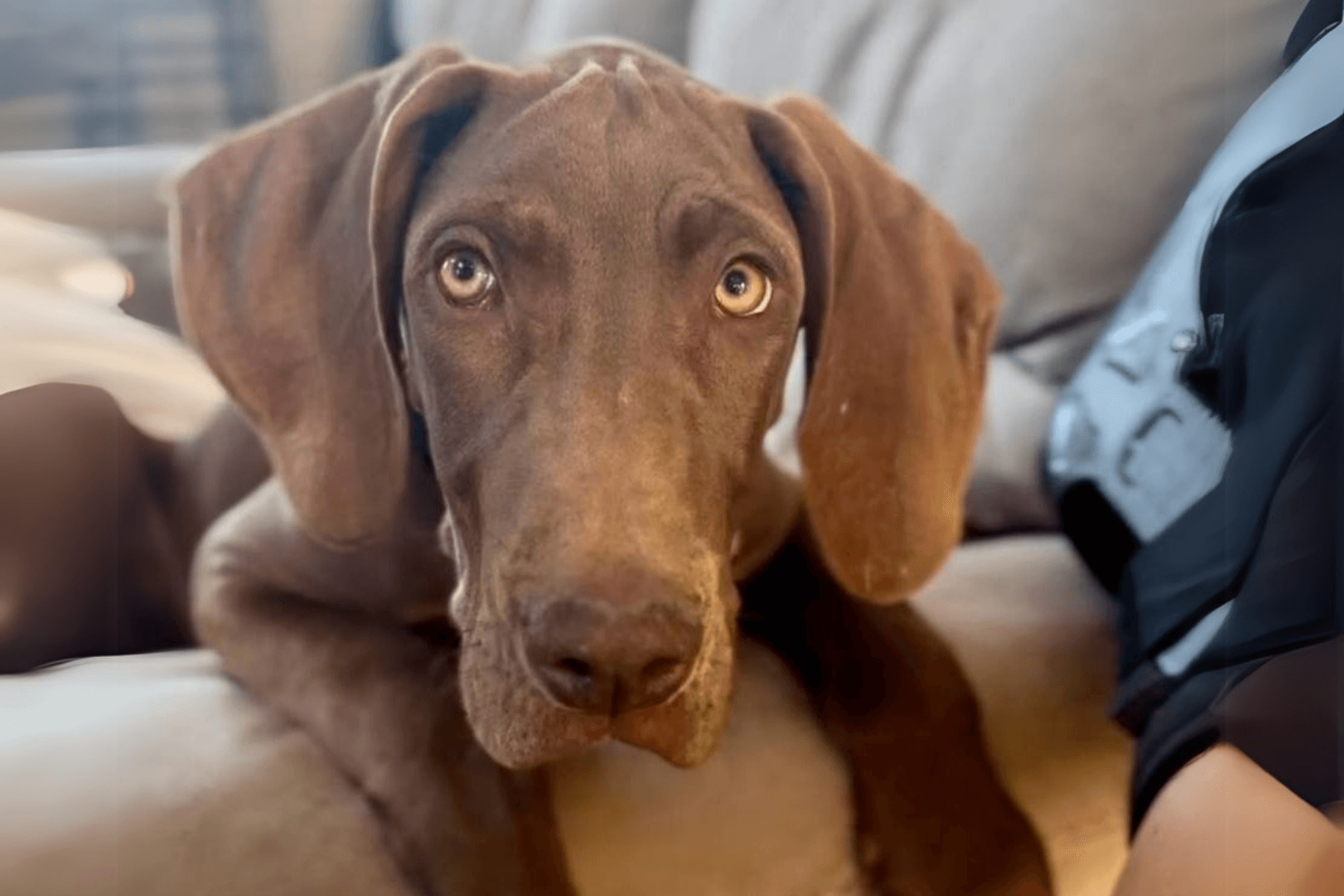
How Are Brown (Chocolate) Great Danes Bred?
Breeding a true “brown” Great Dane involves manipulating coat color genetics through breeding practices that don’t align with AKC standards. Here’s how breeders create this color:
- Recessive "b" Gene (Brown/Chocolate): The “b” gene produces brown or chocolate coloring in some breeds like Labrador Retrievers or Dobermans. This gene isn’t naturally present in Great Danes, meaning it must be introduced through crossbreeding or unrecognized genetic lines.
- Dilution Genes (d/d Combination): The dilution gene can change black pigment into lighter shades like gray or brown. If a Great Dane carries both the “b” and “d” genes, the coat may appear chocolate-like, though this is considered a genetic defect in the breed.
- Merle and Harlequin Crossbreeding: Some breeders mix merle and harlequin Great Danes, producing patchy coats that might appear brown due to pigment dilution. This is not considered a desirable or recognized coat pattern.
- Crossbreeding with Other Breeds: Some breeders may introduce other large breeds with chocolate coats, such as Dobermans, to create a "brown Great Dane." While these dogs may look like Great Danes, they won’t be purebred and may inherit serious health risks.
Why Breeding for Brown Isn’t Good
Breeding for non-standard coat colors like brown or chocolate can cause several serious issues, including:
- Health Problems: Breeding outside recognized genetic lines can result in health problems such as skin conditions, immune disorders, and heart disease.
- Unpredictable Temperament: When breeders focus solely on appearance, they may overlook temperament, leading to potential behavioral issues.
- Unethical Practices: Breeders marketing “rare” or “unique” coat colors often charge inflated prices without guaranteeing the dog’s health or genetic stability.
 Caring for a Great Dane
If you’re serious about welcoming a Great Dane into your family, focus on breed health, not coat color. Regardless of the dog’s appearance, proper care is essential for raising a happy, healthy Great Dane.
1. Nutrition and Diet
Great Danes require high-quality, large-breed-specific dog food to support their joints, muscles, and bones. Consider personalized meal plans from The Farmer’s Dog for tailored nutrition based on your dog’s unique needs.
2. Veterinary Care and Pet Insurance
Given their large size, Great Danes are prone to several health conditions, including bloat, hip dysplasia, and heart disease. Investing in pet insurance from Trupanion can help cover unexpected medical expenses and ensure your dog gets the care they need.
3. Regular Grooming
Their short coat needs weekly brushing and occasional baths to stay clean and shiny. Regular ear cleaning and nail trimming are also essential.
Conclusion: The Truth About Brown Great Danes
While a “brown Great Dane” sound appealing, they are not recognized by the AKC and often result from unethical breeding practices. If you’re looking for a stunning, well-bred Great Dane, consider the regal fawn Great Dane, a recognized and beloved coat color known for its elegance and beauty.
For more Great Dane care tips, breed facts, and helpful guides, visit the Love Margot Great Dane Blog. A well-informed owner makes for a happy, healthy Great Dane!