Experts' Top Tips for Desensitizing a Reactive Dog
Reactive dogs can be a challenge, but with patience, understanding, and the right approach, it’s possible to help them feel more at ease in stressful situations. Reactivity often stems from fear, anxiety, or overstimulation. The good news is that desensitization, combined with counterconditioning, is a proven way to reduce reactivity and improve your dog’s quality of life. Here are experts' top tips for desensitizing a reactive dog, backed by research and real-world experience.
1. Understand Reactivity
Before diving into desensitization techniques, it’s important to understand what reactivity is. Reactivity is often a dog’s response to a perceived threat or overstimulating situation. It can manifest as barking, lunging, growling, or even hiding.
Dr. Karen Overall, a veterinary behaviorist, explains that reactivity is a learned behavior and can often be unlearned with consistent training. She emphasizes that identifying the trigger, whether it’s other dogs, strangers, or loud noises is the first step.
2. Start with Controlled Exposure
One of the foundational principles of desensitization is to expose your dog to triggers in a controlled and gradual manner. Start with low-intensity situations where the trigger is present but far enough away that your dog doesn’t react.
Expert Tip from Dr. Sophia Yin: Use a combination of desensitization and counterconditioning. For instance, if your dog reacts to the sound of doorbells, play the sound at a very low volume while rewarding your dog with high-value treats. Gradually increase the volume over time as your dog remains calm.
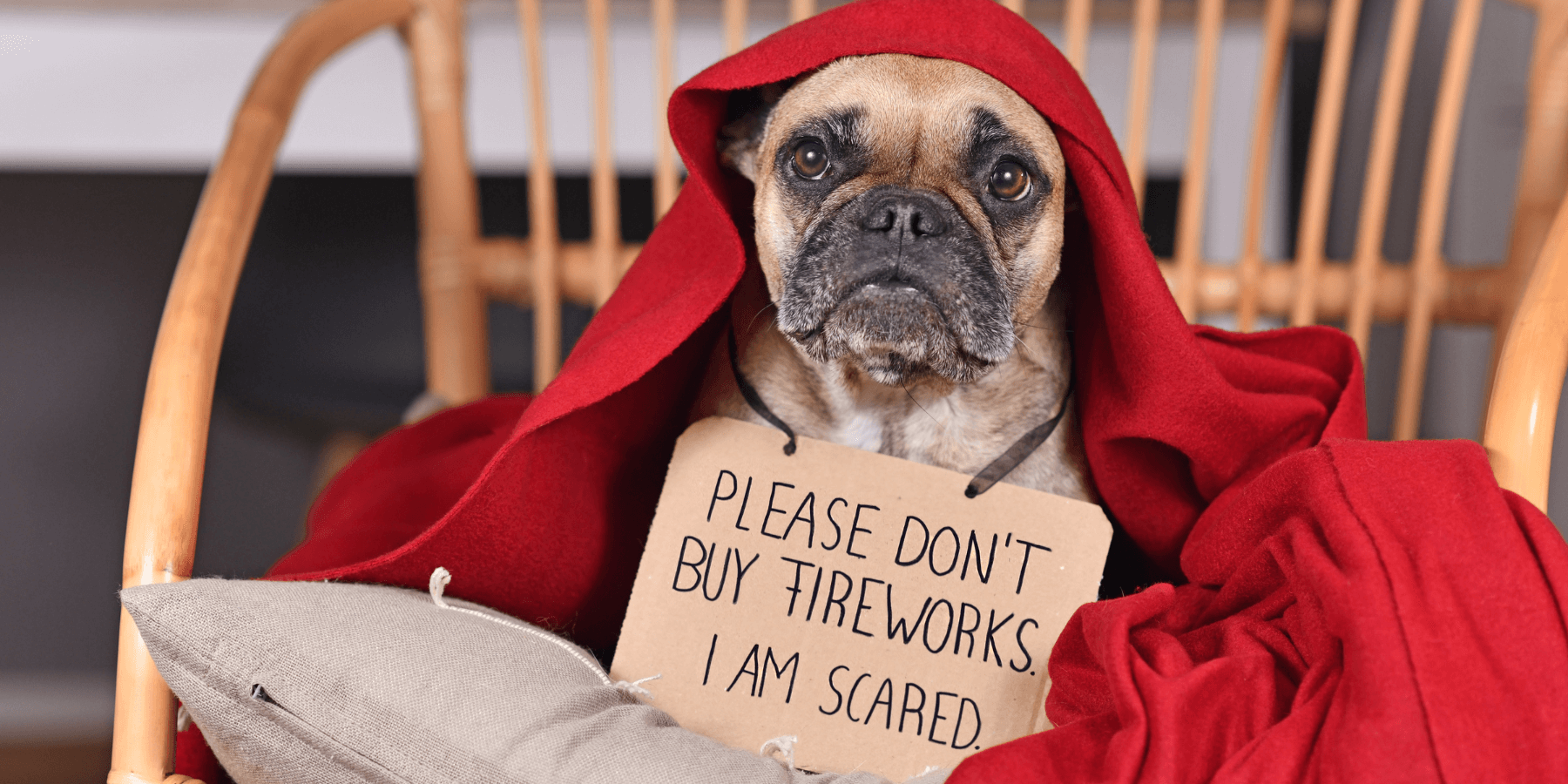
👉 YouTube Desensitizing Dog Sound Playlist designed specifically for helping reactive dogs adjust to common triggers like doorbells, fireworks, and thunderstorms.
3. Create a Safe Zone
Many behaviorists, including Dr. Patricia McConnell, recommend creating a “safe zone” where your dog feels secure. This could be a specific room in your home with their favorite toys, a cozy bed, and a soothing environment.
When working on desensitization, allow your dog to retreat to their safe zone if they become overwhelmed. The goal is to reduce stress, not force them into situations they’re not ready to handle.
4. Use Positive Reinforcement
Positive reinforcement is key when desensitizing a reactive dog. Reward calm behavior with treats, praise, or a favorite toy. The goal is to help your dog associate the trigger with something positive.
Victoria Stilwell, a renowned dog trainer, suggests using high-value treats like cooked chicken or cheese for training sessions. This keeps your dog motivated and helps them focus on you rather than the trigger.
5. Manage Your Dog’s Environment
According to Certified Applied Animal Behaviorist Dr. Susan Friedman, managing your dog’s environment is crucial during the desensitization process. Reduce exposure to triggers as much as possible during training to prevent setbacks.
For example:
- Walk your dog during quieter times of the day.
- Use barriers like baby gates to limit access to windows or areas where they might encounter triggers.
6. Incorporate Calming Tools
Many experts recommend using calming tools to help reactive dogs stay relaxed. Some options include:
- Sound Therapy: Soothing playlists like this YouTube Desensitizing Dog Sound Playlist can help dogs acclimate to noises in a controlled environment.
- Anxiety Wraps: Products like ThunderShirts apply gentle pressure, which has been shown to reduce anxiety in dogs.
- CBD Products:Veterinarian-approved CBD can help lower anxiety levels. Consider:
- Innovative Extracts CBD: A veteran-run, no-frills company offering direct-from-source CBD for pets.
- Bailey’s CBD for Pets: High-quality CBD products tailored for pets’ unique needs.
7. Stay Consistent
Consistency is one of the most important factors in desensitization training. Dr. Ian Dunbar, a pioneer in dog behavior, emphasizes that training should be a daily routine. Short, frequent sessions are more effective than long, sporadic ones.
Keep track of your dog’s progress by keeping a training journal. Note what works, what doesn’t, and any improvements you observe.
8. Avoid Punishment
Experts universally agree that punishment is counterproductive for reactive dogs. Punishing a dog for barking or lunging can increase their anxiety and worsen the behavior. Instead, focus on rewarding calm behavior and redirecting their attention.
9. Recognize Triggers Early
Understanding your dog’s body language can help you recognize when they’re about to react. Look for signs like:
- Stiff body posture
- Ears pinned back
- Lip licking or yawning
- Intense staring
By recognizing these cues, you can redirect their focus before the reaction escalates.
10. Seek Professional Help When Needed
If your dog’s reactivity is severe, consult a professional dog trainer or veterinary behaviorist. They can provide a customized training plan and offer additional support.
Final Thoughts
Desensitizing a reactive dog takes time, patience, and the right approach. By following these experts' top tips for desensitizing a reactive dog, you’ll help your furry friend build confidence and reduce their reactivity.
Remember to incorporate tools like:
With consistent effort and expert-backed techniques, your dog can overcome their fears and thrive in any situation.