Do Dogs Get Their Periods? The Messy Truth About Heat Cycles and Hormones
Do Dogs Get Their Periods? The Messy Truth About Heat Cycles and Hormones
If you’ve ever found yourself asking, do dogs get their periods, you’re not alone. The answer is yes—but it’s probably not what you think. Unlike humans, a dog’s “period” is actually part of her heat cycle, a fascinating (and sometimes messy) biological process that signals she’s ready to mate. But that’s not all—heat cycles bring about behavioral changes, possible false pregnancies, and unique care needs, especially for large breeds like Great Danes. Let’s dive into the messy, funny, and surprisingly informative world of canine heat cycles!
What Is a Dog’s Heat Cycle?
When we ask, do dogs get their periods, we’re really talking about their heat cycle, also called the estrous cycle. Female dogs bleed during this time, but instead of a monthly occurrence like in humans, it happens roughly every six to eight months. The cycle typically lasts 2-4 weeks and has several stages. Smaller breeds tend to cycle more frequently, while large and giant breeds, like Great Danes, may only go into heat once a year.
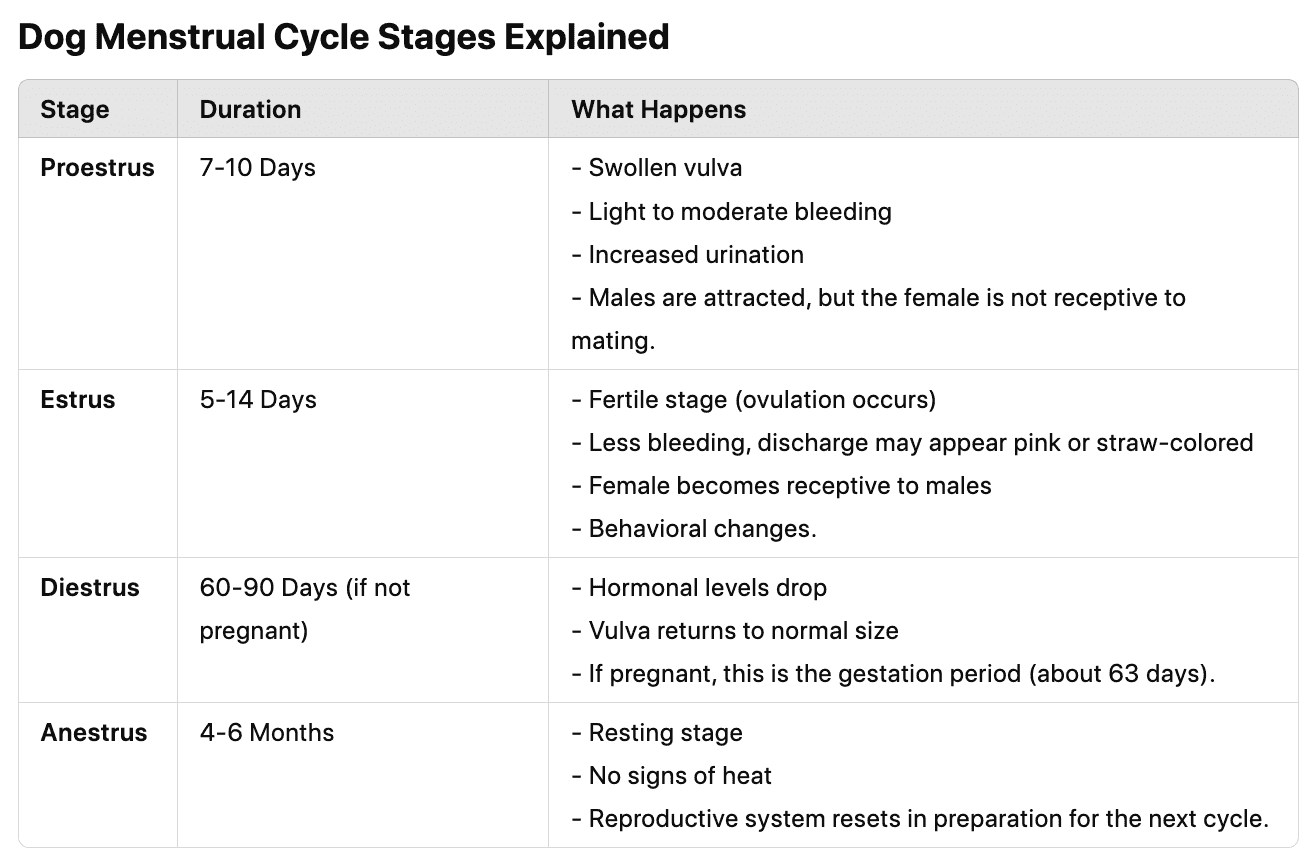
During the first stage, called proestrus, your dog will experience swelling of the vulva and light to moderate bleeding. This is followed by estrus, the fertile stage, where she may exhibit behavioral changes like clinginess or restlessness. The final stages, diestrus and anestrus, mark the winding down and resetting of her reproductive system for the next cycle.
What to Look For: Signs and Behaviors of a Dog in Heat
Knowing the signs of heat can help you prepare and make your pup more comfortable. Here’s what to expect:
- Swelling and Bleeding: Swelling of the vulva and light to moderate bleeding are common signs of the proestrus stage.
- Behavioral Changes: Your dog might become extra clingy, restless, or even moody.
- Nesting Behavior: Some dogs start gathering toys or blankets as if preparing for puppies.
- Tail Tucking or Flagging: Depending on the stage, your dog might either hide her tail or lift it to signal she’s ready to mate.
 False Pregnancies: What Every Dog Owner Should Know
One of the quirks of a dog’s heat cycle is the possibility of a false pregnancy. Even if your dog hasn’t been bred, her body might behave as if she’s expecting. Signs include nesting behaviors, swollen mammary glands, and increased affection or restlessness. While false pregnancies usually resolve on their own within a few weeks, it’s always a good idea to consult your vet if the symptoms persist or seem severe.
Why Timing Matters for Large and Giant Breeds
If you’re the proud owner of a large or giant breed dog like a Great Dane, you’ve likely heard that spaying should be delayed until they’re at least two years old. Spaying too early can disrupt proper hormonal development, increasing the risk of joint disorders and certain cancers. Waiting until your dog is fully matured not only supports her overall health but also allows her to develop stronger bones and joints. While managing heat cycles for the first two years may require extra effort, it’s a small price to pay for her long-term well-being.
During this time, tools like doggy diapers can help manage the mess, and a cozy spot for her to relax—like these comfy dog beds on Chewy—can make all the difference.
How to Care for a Dog in Heat
Caring for a dog in heat doesn’t have to be overwhelming. Follow these tips to keep her comfortable and your home clean:
- Invest in Doggy Diapers: These are lifesavers for protecting your furniture and floors from bleeding.
- Provide a Quiet Space: Give her a comfortable area to rest, away from male dogs and distractions.
- Avoid Male Dogs: Unless you’re planning to breed responsibly, keep her securely separated from unneutered males.
- Stay Patient: Hormonal changes can make her behavior unpredictable, so give her the extra love and understanding she needs.
Final Thoughts
So, do dogs get their periods? Yes, but it’s part of their natural heat cycle, which also comes with behavioral changes, possible false pregnancies, and specific care requirements. For large and giant breeds, waiting until at least two years of age to spay is crucial for their long-term health, even if it means managing a few heat cycles in the meantime.
Being a responsible pet parent means understanding and adapting to your dog’s needs at every stage of her life. Whether she’s in heat, experiencing a false pregnancy, or simply lounging like the queen she is, your care and patience make all the difference. Now grab some doggy diapers, set up a cozy bed, and show your pup some extra love, she deserves it!