Great Dane Colors: A Stunning Palette of Variety
Great Danes are often admired for their incredible size and gentle demeanor, but their striking coat colors are equally captivating. From sleek blacks to intricate harlequin patterns, Great Dane colors add to their majestic presence. Whether you're considering bringing a Great Dane into your life or are just curious about their range of hues, this guide will break down everything you need to know about their colors.
The Official Great Dane Colors
According to the American Kennel Club (AKC) breed standard, Great Danes come in seven officially recognized colors. These colors not only meet the breed standard but are also widely sought after by enthusiasts and breeders:
- Black: A pure black coat, glossy and sleek, often seen with no markings or with a white patch on the chest.
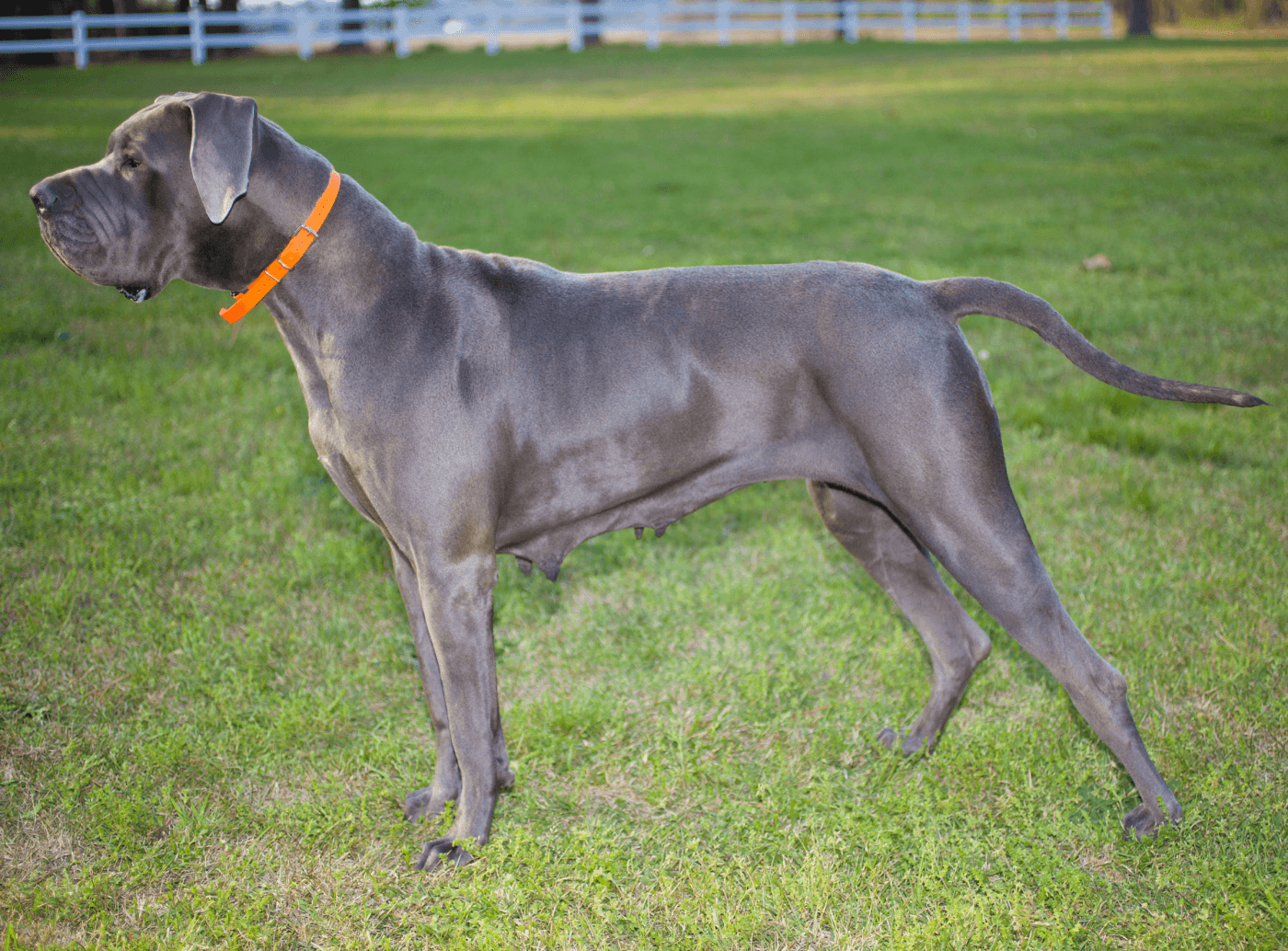
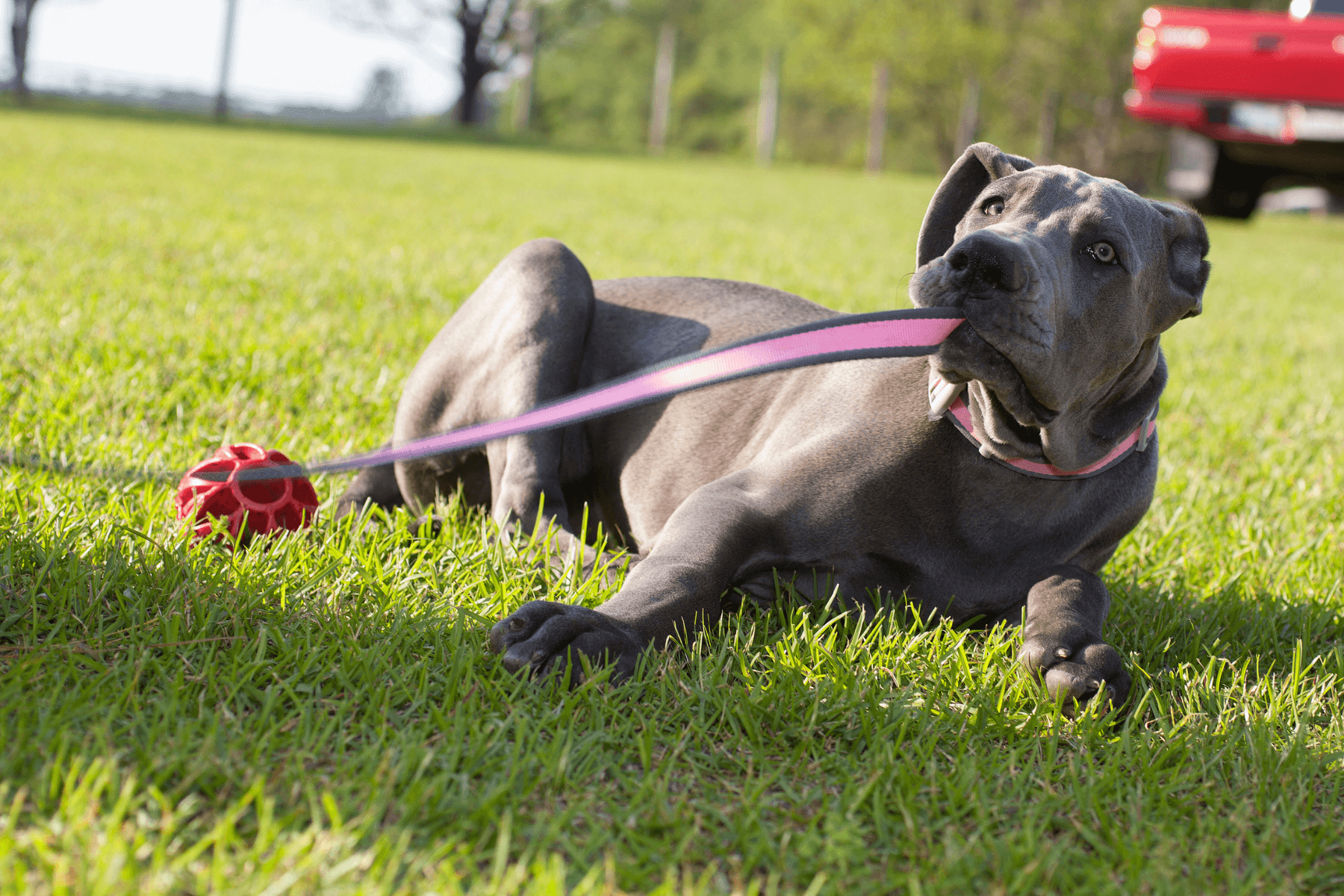
- Blue: A steel-gray coat that appears almost silvery in the right light. Blue Great Danes are striking and highly desired.
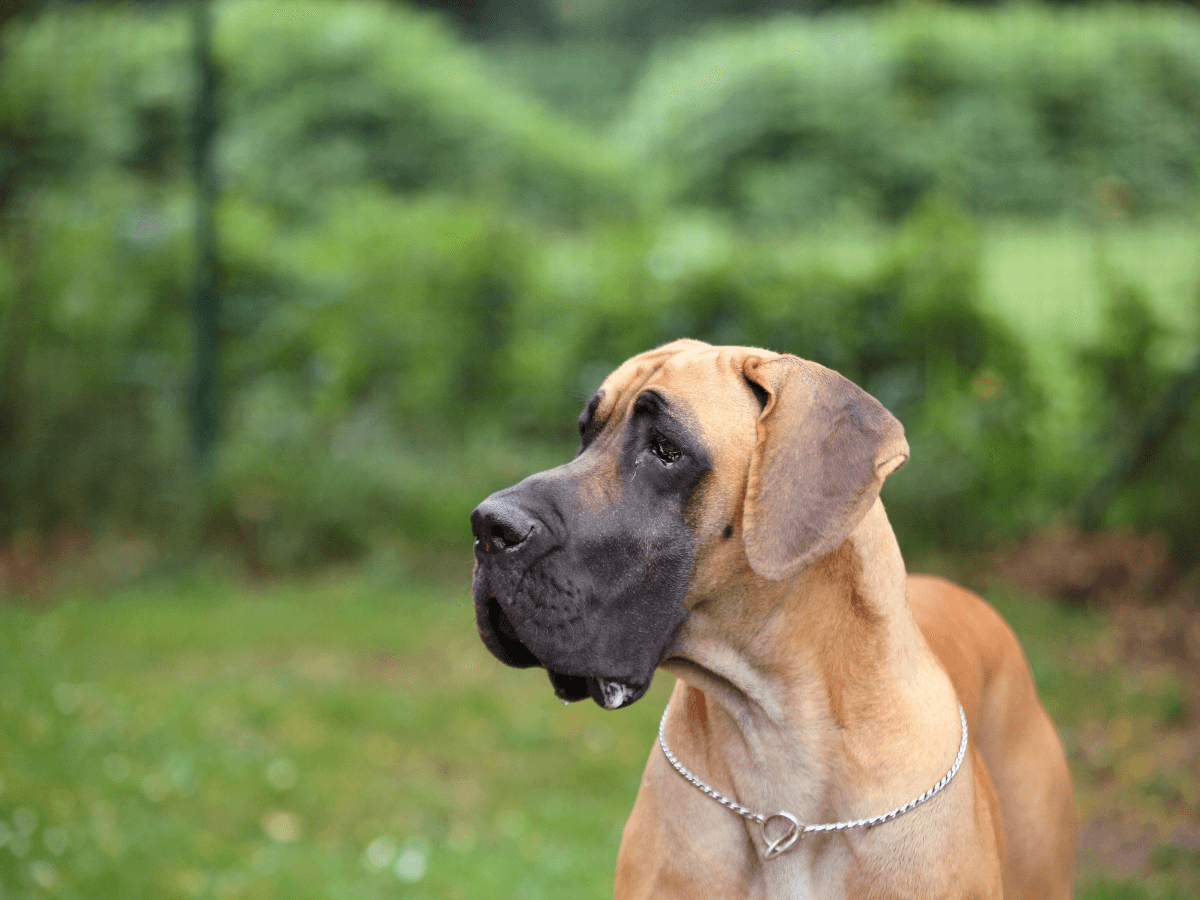
- Fawn: The most common Great Dane color. Fawns have a golden-yellow coat with a black mask on their face.
- Brindle: Known for their tiger-stripe pattern, brindle Great Danes feature fawn or gold as a base color with black striping.
- Harlequin: One of the most iconic patterns. Harlequins have a white base with black patches distributed across their body, resembling a patchwork quilt.
- Mantle: These Great Danes have a solid black body with a white collar, chest, muzzle, and legs. Sometimes referred to as "Boston" coloration due to its resemblance to the Boston Terrier's coat.
- Merle: A coat with a light base color (typically gray) and dark splotches. While beautiful, merle Great Danes are often produced as part of harlequin breeding programs.

Colors Beyond the Breed Standard
In addition to the recognized colors, Great Danes can come in non-standard colors that are still breathtaking. However, these colors are not eligible for show and often result from breeding practices outside the AKC guidelines:
- Chocolate: A rich brown coat, which is rare and not part of the standard.
- White: Often associated with double-merle genetics, white Great Danes may suffer from health issues like deafness and blindness.
- Fawnequin: A variation of the harlequin pattern with fawn patches instead of black.
- Blue Harlequin: Similar to harlequin but with blue patches instead of black.
What Determines Great Dane Colors?
Great Dane coat colors are determined by their genetics, particularly dominant and recessive genes. Breeding two dogs with complementary genetics can result in a range of colors and patterns. For example:
- Breeding two harlequins may produce harlequin, mantle, or merle puppies—but also white puppies, which can have health concerns due to the double-merle gene.
- Pairing a fawn and a brindle typically produces a mix of both fawn and brindle puppies.
Understanding genetics is essential for ethical breeding practices, especially when working with colors like harlequin and merle.
The Most Popular Great Dane Colors
While every Great Dane is stunning, some colors are particularly popular among enthusiasts:
- Harlequin: As one of the most recognizable patterns, harlequin Great Danes are highly sought after and often associated with show-quality dogs.
- Fawn: The golden coat and black mask make fawn Great Danes a classic choice for families and first-time owners.
- Blue: The silvery-gray coat of a blue Great Dane gives them an almost regal appearance, making them a favorite among breeders and enthusiasts.
Common Myths About Great Dane Colors
There are many misconceptions about Great Dane coat colors. Let’s debunk some of the most common myths:
- Myth: White Great Danes are albino.
Truth: White Great Danes are not albino. They typically result from double-merle genetics, which leads to a lack of pigmentation. Albino dogs lack pigment entirely and often have red or pink eyes, which is not the case with white Great Danes. - Myth: Merle Great Danes are unhealthy.
Truth: Merle Great Danes can be perfectly healthy when bred responsibly. However, breeding two merle dogs together can result in double-merle puppies, which may have health issues like deafness or blindness. - Myth: Non-standard colors, like chocolate or fawnequin, are always a sign of bad breeding.
Truth: While non-standard colors do not meet AKC breed standards, they are not inherently unhealthy. Some non-standard colors are simply the result of genetic combinations outside the guidelines for show-quality dogs. That said, always work with ethical breeders who prioritize health over appearance. - Myth: Great Danes’ coat colors affect their personality.
Truth: A Great Dane’s color has no impact on their temperament or behavior. A dog’s personality is influenced by their genetics, upbringing, and environment, not their coat. - Myth: Blue Great Danes are rarer than other colors.
Truth: While blue Great Danes are highly desired, they are not inherently rarer than other standard colors like fawn or black. The perception of rarity often depends on regional demand and breeder availability.
Caring for Great Dane Coats
Regardless of their color, Great Danes have short, sleek coats that are relatively low maintenance. Here are some tips to keep their coats looking their best:
- Regular Brushing: Use a rubber grooming mitt or bristle brush to remove loose fur and keep their coat shiny.
- Bathing: Great Danes don’t require frequent baths unless they get particularly dirty. Use a gentle, dog-specific shampoo to avoid irritating their skin.
- Diet and Supplements: A high-quality diet rich in omega fatty acids can help maintain their coat’s shine and health. Consider supplements like giant breed-specific options under $20 for optimal care.
- Sun Protection: For lighter-colored Danes, like white or harlequin, sun exposure can lead to skin irritation. Apply pet-safe sunscreen to sensitive areas if needed.
Conclusion: A Kaleidoscope of Great Dane Colors
Great Danes are truly a kaleidoscope of colors and patterns, each one as unique and beautiful as the next. Whether you’re drawn to the classic fawn or the eye-catching harlequin, a Great Dane’s coat is just one part of their charm. Remember to prioritize health and responsible breeding practices when considering a new addition to your family.
Curious about other aspects of Great Dane care? Learn more about their dietary needs in our guide on how much Great Danes eat. A healthy diet is just as important as a stunning coat!