Great Dane False Pregnancy The Science Behind Her Mothering Instincts
Has your Great Dane been acting like she’s pregnant even though she isn’t? False pregnancy, also known as pseudopregnancy, is a hormonal condition common in intact female dogs, including Great Danes. In this comprehensive guide, we’ll explore the signs and symptoms, what your dog is experiencing emotionally, how you can support her naturally, and when to call the vet.
1. Education: Signs and Symptoms of Great Dane False Pregnancy
False pregnancy in Great Danes can occur 6-12 weeks after their heat cycle. During this time, hormonal changes can trick your dog’s body into believing she is pregnant. This is due to elevated progesterone levels, which drop suddenly, causing an increase in the hormone prolactin, responsible for pregnancy-like symptoms.
Common Signs of False Pregnancy:
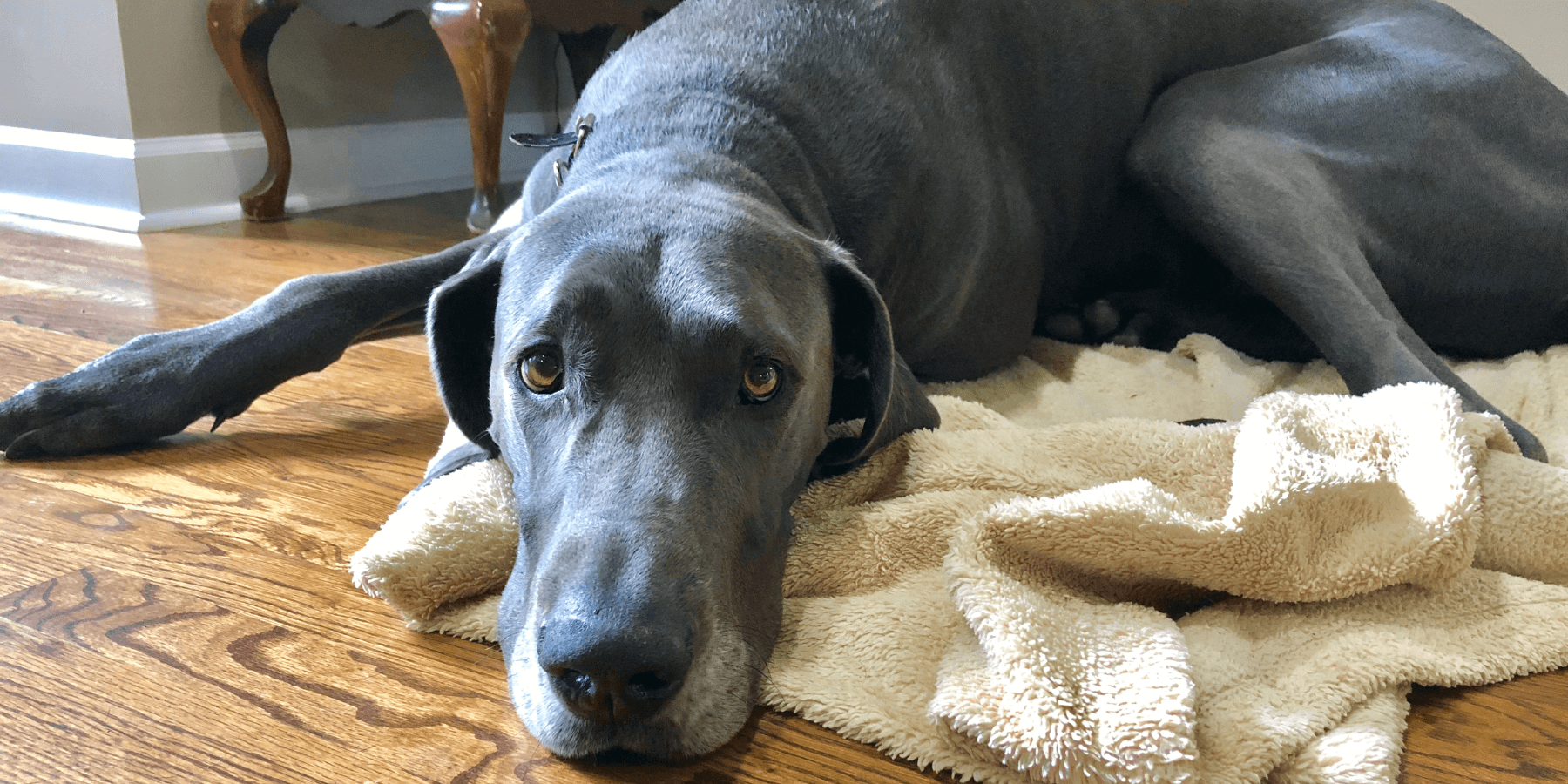
- Behavioral Changes: Restlessness, nesting behaviors like shredding blankets or gathering toys.
- Physical Symptoms: Swollen abdomen, enlarged nipples, and even milk production.
- Appetite Changes: Increased appetite or periods of loss of interest in food.
- Lethargy: Your dog may seem more tired or withdrawn.
- Clinginess: Increased affection-seeking and attachment to family members.
False pregnancies can occur after every heat cycle, making regular monitoring essential.
2. What’s Really Going On With Your Dog Mentally?
A Great Dane false pregnancy is more than just physical—your dog is going through a significant hormonal shift that affects her emotionally. Her brain and body believe she’s expecting puppies, triggering natural maternal instincts.
These behaviors are driven by prolactin, the hormone that stimulates milk production and maternal behaviors. In some cases, dogs become attached to toys or even shoes, treating them like puppies. She may guard these objects, keep them in a “nest,” or carry them around gently.
Tip: Avoid removing her “puppies” unless she’s becoming aggressive or overly stressed. Doing so may increase her anxiety or cause her to become more protective.
3. What You Should and Should Not Do
What You SHOULD Do:
- Offer Comfort: Provide a quiet, comfortable space where she can relax without interruptions.
- Stick to a Routine: Maintain her daily walks, meals, and playtime to reduce stress.
- Limit Nesting: Allow her to nest safely, but gently redirect her attention with toys or treats if it becomes obsessive.
- Monitor for Milk Production: If she starts producing milk, keep her clean and prevent licking, as this can stimulate more milk production.
Avoid Force Feedings:
If your Great Dane refuses food during a false pregnancy, do not force her to eat. Hormonal changes can affect her appetite, and skipping a meal or two is completely normal. Forcing food may cause additional stress or even create food aversions.
Trust the process. Her body will signal when she needs to eat again. Ensure that fresh water is always available, and stick to offering her regular meals at consistent times. If she hasn’t eaten for more than two days or shows signs of lethargy, vomiting, or weakness, consult your veterinarian to rule out underlying health concerns.
Important Considerations for Milk Production:
- Do Not Stimulate the Teats: Avoid touching or stimulating her teats as it will trigger more milk production. Let her body adjust naturally.
- Reduce Feeding Temporarily: Cut her food portions to half-rations for 2-3 days. This reduction can signal her body to stop producing milk.
- Take Away Water at Night: Limiting water intake overnight can help dry up milk production. However, ensure she has water during the day.
4. Natural Ways to Help Her Get Through It
Recommended Supplements:
- Vitamin B6: 50 mg per kg once a day to reduce prolactin levels.
- Pulsatilla: A homeopathic remedy for balancing hormones and reducing milk production.
- Borage/Starflower Oil: Helps regulate hormones but should be used in small amounts to avoid liver damage.
- Magnesium: Promotes relaxation and supports overall health.
- Theanine: Helps manage arousal levels and keeps hormone levels steady.
5. How Long Will It Last?
Most Great Dane false pregnancies last two to three weeks, though symptoms can persist for up to a month. Behavioral signs like nesting or clinginess usually fade first, while physical signs like milk production may linger longer.
6. Is a Call to the Vet Needed?
When to Call the Vet:
- Severe Swelling or Pain: Painful, red, or warm mammary glands could indicate mastitis, a serious infection.
- Prolonged Symptoms: If false pregnancy symptoms last longer than a month.
- Behavioral Aggression: If your dog becomes aggressive or overly anxious.
- Lack of Appetite or Lethargy: Persistent refusal to eat or play could signal a deeper health issue.
Final Thoughts
Experiencing a Great Dane false pregnancy can be concerning, but understanding the process can help you support your dog with patience and care. By recognizing the signs, offering natural remedies, and knowing when to involve a vet, you can guide her through this challenging time while keeping her safe and comfortable.
You may find our pet health insurance comparison chart helpful as well :)