Great Dane Happy Tail – Treat It, Heal It, and Prevent Future Injuries
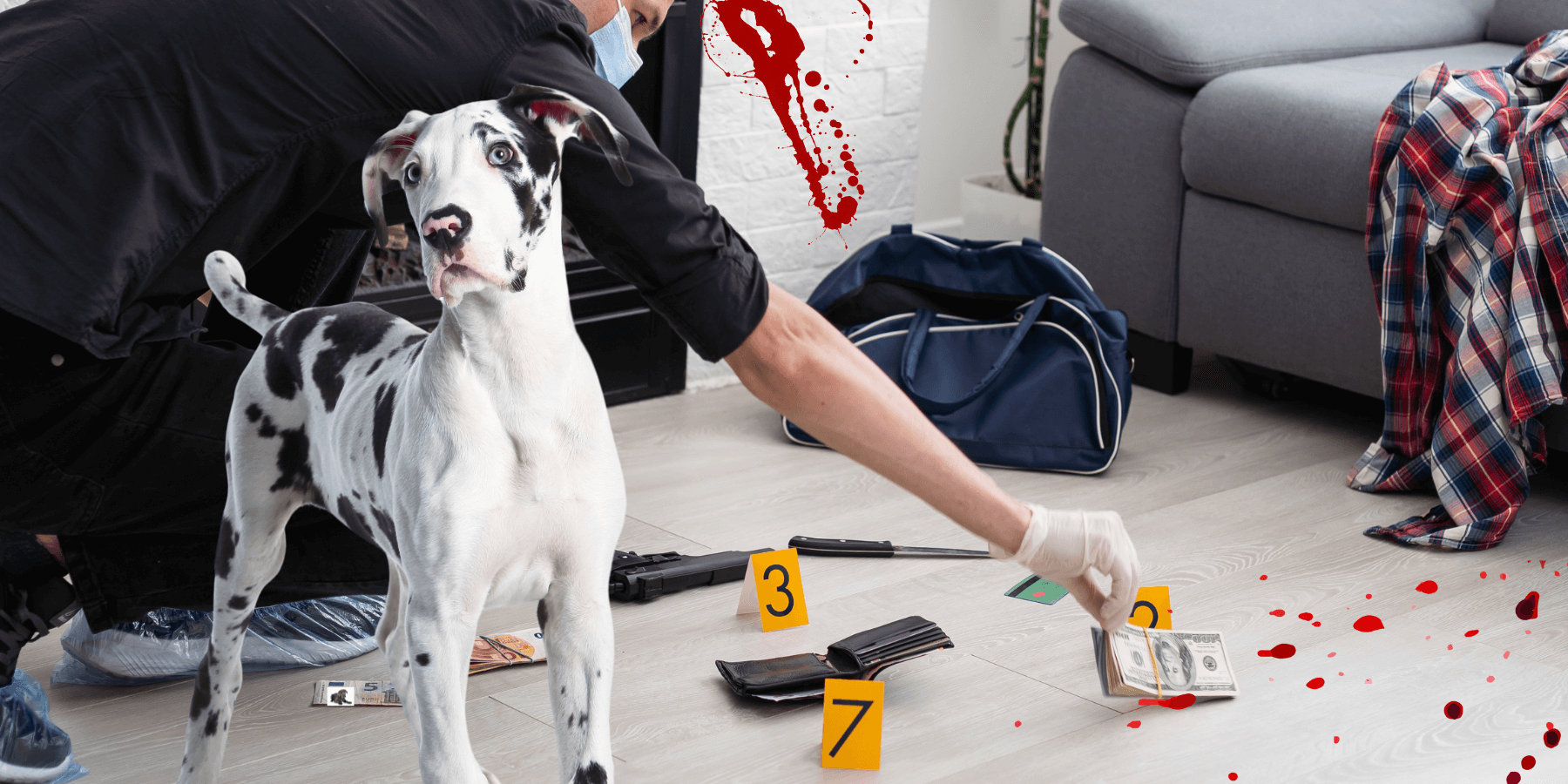
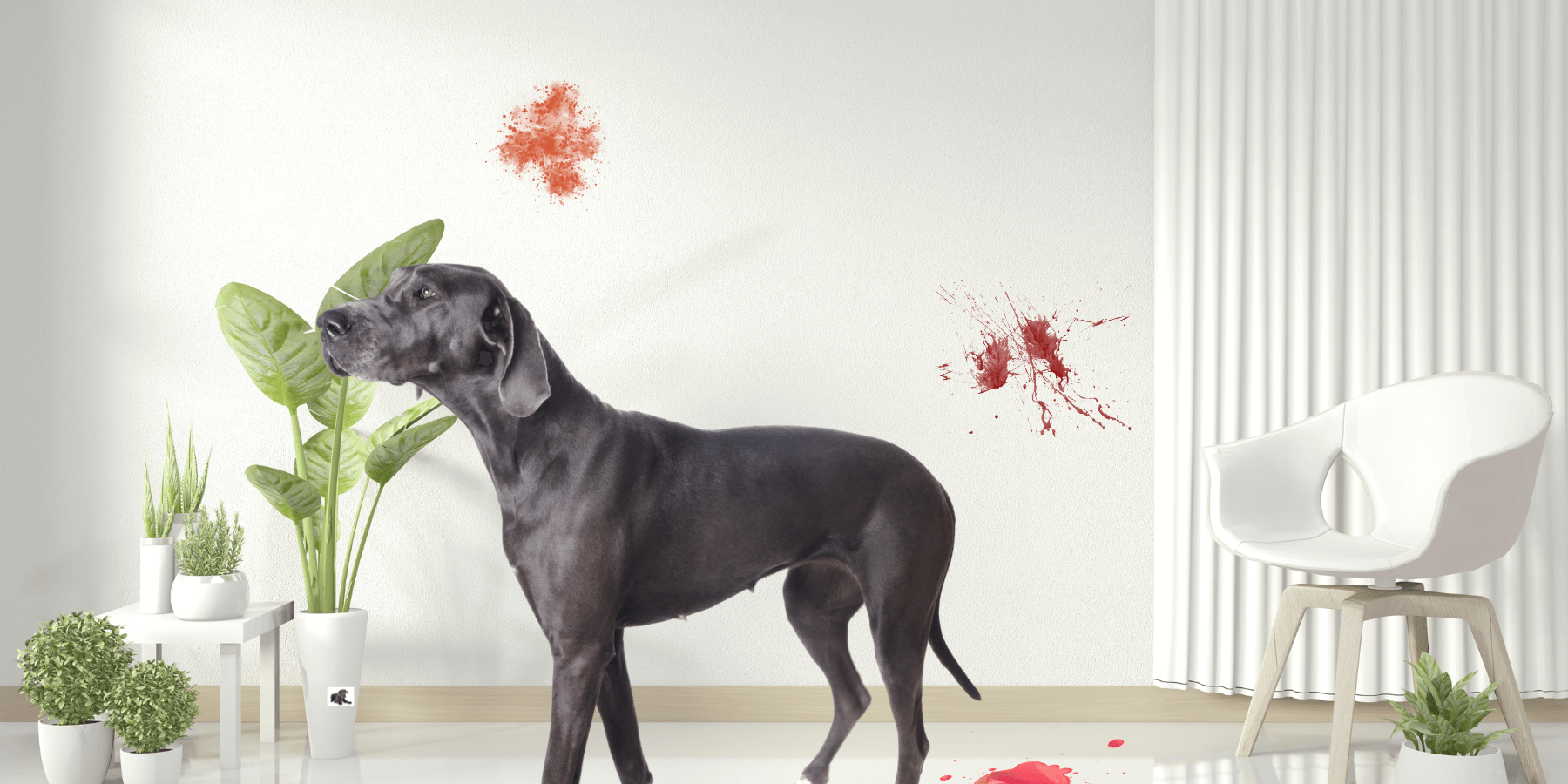
Imagine walking into your house after a joyful Great Dane tail-wagging session... only to find a crime scene. There’s blood splattered on the walls, the floors, and somehow even the ceiling. Relax! You haven’t wandered into a true crime podcast; your dog probably has Happy Tail Syndrome.
This frustrating and messy condition occurs when your dog’s powerful tail smacks against hard surfaces, causing cuts that bleed a lot. But with the right care, you can manage Happy Tail like a pro (and save your walls). Let’s explore what causes it, how to treat it, and how to prevent it from turning your home into a horror set.
What Is Great Dane Happy Tail?
Happy Tail happens when the thin skin at the tip of a dog’s tail gets injured from hitting walls, furniture, or crate bars. Since Great Danes have long, powerful tails, even a happy wag can lead to painful cuts and open wounds that are difficult to heal.
Why Does It Bleed So Much?
The tip of the tail has many blood vessels but almost no padding. Even a small cut can cause maximum splatter. Each tail wag can spray blood on walls, floors, and ceilings!
What Happens If It Doesn’t Heal?
- Persistent Bleeding: The wound keeps reopening.
- Infections and Abscesses: Bacteria can cause swelling, pus, and foul odors.
- Tissue Death (Necrosis): If untreated, damaged tissue may require surgical removal.
- Tail Amputation: In severe cases, part or all of the tail may need to be amputated.
How to Treat Great Dane Happy Tail
1. Clean the Wound Regularly
Clean the tail once or twice a day with an antiseptic soap to prevent infections.
Davis Maximum Chlorhexidine Dog & Cat Shampoo | I love this antiseptic shampoo because it contains chlorhexidine gluconate which is effective against bacteria, fungi, and skin irritations.
2. Disinfect the Wound
Apply an antimicrobial wound spray throughout the day to promote healing.
Vetericyn Plus Antimicrobial Wound & Skin Care Spray | This formula is PROVEN to kill bacteria and promotes faster tissue repair, yet it is extremely gente.
3. Add a Healing Meal Supplement
Support healing from the inside by adding a natural supplement to your dog’s meals.
Natura Petz Organics Seal Em & Heal Em | A meal supplement that I just recently discovered that supports tissue repair, reduces inflammation, and boosts immunity. This actually works!
4. Bandage the Tail Correctly
Use a self-adhering bandage to cover the wound and keep it protected.
Andover Healthcare CoFlex Vet Wrap – This breathable, self-adhesive wrap keeps the bandage secure while allowing the tail to move comfortably.
Unique Tail Protection Hacks
1. Pool Noodles
Cut a pool noodle lengthwise and place it around the tail. Secure it with vet wrap or medical tape so it stays put.
2. Belly Straps
Use the Belly Strap Method for securing the tail with clear directions and helpful illustrations. This setup keeps the tail properly wrapped even when your dog moves around.
3. Tail Guards
Look for pet-safe tail guards designed specifically for large dogs prone to Happy Tail.
When to Call the Vet
Sometimes, professional care is needed. Call your vet if:
- The wound keeps bleeding despite treatment.
- There’s swelling, pus, or a bad odor (signs of infection).
- The tail looks inflamed or has dead tissue.
- Your dog shows signs of pain or unusual behavior.
Final Thoughts on Great Dane Happy Tail
Great Dane Happy Tail is challenging, but with consistent cleaning, smart bandaging techniques, and a bit of creativity (hello, pool noodles and belly straps), you can help your dog heal and avoid crime-scene-level cleanups.
Stay proactive, monitor your dog’s tail health, and contact your vet if needed.