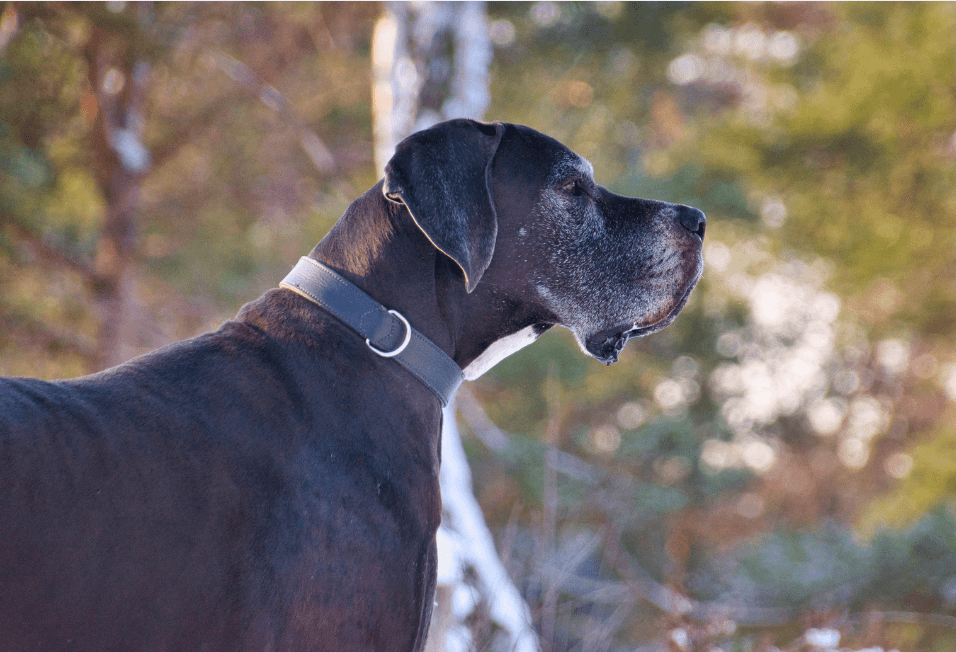
How big should a crate be for a Great Dane?
How Big is Too Big for a Crate? A Guide to Crate Sizing for Great Danes
How big should a crate be for a Great Dane? Your new pup may be small, but your question isn’t. When you’re the proud parent of a Great Dane, the question of how big should their crate be can seem daunting. We’ve got the answer right here! Let’s break down how to make sure your pup has plenty of space in his or her crate.

The Size Matters - How to select the right size crate for your Great Dane
When it comes to crate sizing, size really does matter. While every dog is unique, generally speaking, a Great Dane should have a crate that gives them room to stand up, turn around, and lay down comfortably without being cramped. This means that your pup will need more than enough space for their full-grown size. If you plan on getting a puppy, make sure to pick the size of crate that will fit your pooch when he or she is fully grown—rather than buying one just large enough for their current size.

To me a 54" crate is perfect for breeds like the great dane, this size of crate is designed to provide ample space and comfort for your canine companion. Look for one constructed of sturdy materials and secure locks, keeping mindful of safety, security and quality in this size of crate. Whether it’s for your great dane or another large breed pup, a 54" dog crate is the perfect option!
Where Does Your Dog Sleep?
Another factor you should consider when selecting a crate size is where your pup likes to sleep at night. Considering the size of the crate and the size of your bedroom or living space, it’s important to make sure that there is enough room for your pup’s crate. For giant breed crates like the great dane, you should make sure that there is plenty of space for your pup to rest comfortably and safely in their crate without taking up too much of your living space. If sizing requires you to relocate your dogs normal sleeping arrangements be prepared to introduce him or her to the new spot gradually and patiently.

When it comes to buying a crate for your Great Dane pup (or any large breed pup!), always err on the side of caution and go bigger rather than smaller! Giving them extra room can help reduce stress levels and make them feel more secure in their new home. With these tips in mind, finding the perfect-sized crate shouldn't be too difficult—just remember that bigger is better!
Why Crate Size Matters
Crate size is particularly important for Great Danes because of their rapid growth and unique needs as a giant breed. Great Danes are known for their large stature, even as puppies, and they grow quickly. A crate that's too small can make your pup feel confined and uncomfortable, which can lead to anxiety and resistance when using the crate. On the other hand, a crate that’s appropriately sized allows your Great Dane to stand, turn around, and stretch comfortably, creating a positive environment where they feel safe and relaxed.
An adequately sized crate isn't just about comfort—it’s also about supporting your dog’s mental and physical well-being. Puppies, in particular, associate their crate with safety and security, especially during the early stages of training. A too-small crate can have the opposite effect, causing stress and even physical strain, especially for a breed as large as a Great Dane.

How to Choose the Right Crate
When selecting a crate for your Great Dane, there are a few factors to keep in mind:
1. Adult Size Estimate: Since Great Danes grow quickly, it’s wise to choose a crate that accommodates their full adult size. Adult Great Danes can range from 28-34 inches in height and weigh between 100-200 pounds, depending on gender and genetics. Look for crates labeled "giant breed" or those with dimensions of at least 54 inches in length, 36 inches in width, and 44 inches in height.
2. Adjustable Dividers: Many crates come with adjustable dividers that allow you to modify the space as your puppy grows. This feature is ideal for a growing Great Dane because it ensures the crate isn’t too large during their early months (which can lead to accidents if they designate part of the crate as a potty area). As your dog matures, you can remove the divider to provide the full space they need.
3. Material and Durability: Great Danes are strong and energetic, especially during puppyhood. Choose a crate made of sturdy materials like heavy-duty metal wire or reinforced plastic. A flimsy crate may not hold up against a playful or restless Dane.
4. Ventilation and Visibility: Great Danes often prefer crates with plenty of ventilation and good visibility. Wire crates are an excellent choice because they allow airflow and let your dog see what’s happening around them, which can reduce anxiety.
5. Ease of Cleaning: Accidents happen, especially during puppy training. Look for a crate with a removable tray at the bottom to make cleaning easier.
Crate Placement in Your Home
The placement of your Great Dane’s crate is just as important as the crate itself. Choose a quiet, low-traffic area of your home where your pup can relax without being overstimulated by noise or activity. However, avoid isolating them completely—dogs are social animals and often prefer to be near their family. A corner in the living room or bedroom is usually a good option.
Make the crate a welcoming space by adding soft bedding, toys, and perhaps a blanket that smells like you. Avoid overcrowding the crate with too many items, as this can make it feel cluttered and uncomfortable.
Crate Training Tips for Great Dane Puppies
Crate training is an essential step in helping your Great Dane feel comfortable in their new environment. Here are some tips to make the process smoother:
1. Start Slowly: Introduce the crate gradually by allowing your pup to explore it on their own terms. Leave the door open and place treats, toys, or a favorite blanket inside to encourage them to enter willingly.
2. Create Positive Associations: Use praise, treats, and toys to reward your pup for entering and staying in the crate. Never use the crate as a form of punishment, as this can create negative associations and resistance.
3. Establish a Routine: Consistency is key. Use the crate during specific times, such as bedtime or when you leave the house, so your pup learns when to expect crate time.
4. Limit Crate Time: Avoid keeping your Great Dane in the crate for extended periods, especially when they’re young. Puppies have small bladders and need frequent bathroom breaks.
5. Be Patient: Every dog adjusts at their own pace. If your pup is hesitant at first, give them time and continue to offer positive reinforcement.
When to Transition Out of the Crate
While crates are incredibly helpful for training and safety during your Great Dane’s early years, they may not be necessary forever. Many dogs outgrow the need for a crate as they mature and become more reliable around the house. Monitor your dog’s behavior and comfort level to determine when it’s time to transition to a bed or designated sleeping area outside the crate.
Final Thoughts
Choosing the right crate for your Great Dane is an investment in their comfort, safety, and happiness. By selecting a spacious, durable crate and using it as a positive training tool, you’re setting your gentle giant up for success in their new home. Always remember that bigger is better when it comes to crate size for large breeds. With a little patience, love, and the right equipment, crate training your Great Dane can be a smooth and rewarding experience.
Choosing the right crate is essential for your Great Dane's comfort and safety, but how big should a crate be for a Great Dane? Great Danes are one of the largest dog breeds, so their crate must be spacious enough to accommodate their size. A crate should allow your Great Dane to stand up, turn around, and lie down comfortably without feeling cramped. When considering how big should a crate be for a Great Dane, look for options specifically designed for giant breeds, typically measuring at least 54 inches in length. A properly sized crate ensures your Great Dane has a cozy, secure space to relax
Good luck and happy shopping!