How Often Should You Wash Your Dog Bowls? Bacteria Could Be Lurking
You wouldn’t eat off the same plate for days without washing it, right? Well, your dog feels the same way (even if they can’t say it out loud). How often should you wash your dog bowls? It turns out that most pet owners aren’t cleaning them nearly enough and the consequences might surprise you.
Let’s break it down: why regularly washing your dog’s food and water bowls is more important than you think, how often you should do it, and the best ways to keep them squeaky clean.
How Dirty Is Your Dog’s Bowl, Really?
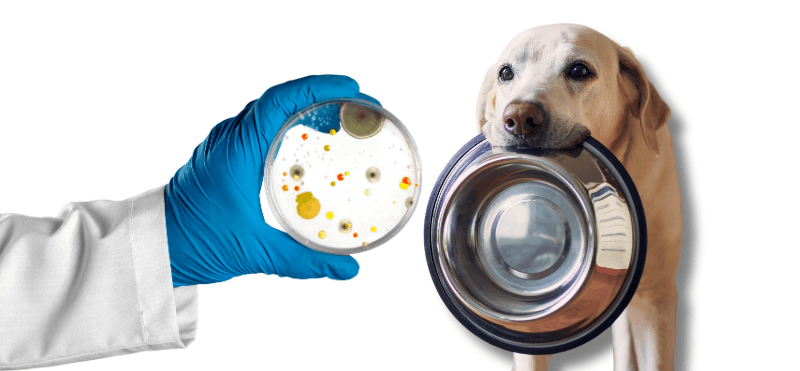
A study by the National Sanitation Foundation (NSF) found that pet bowls are one of the germiest items in a household often ranking dirtier than toilet seats and kitchen sponges. Yep, you read that right.
Here’s what could be lurking in your dog’s bowl:
- Salmonella & E. coli Bacteria from leftover food particles can multiply rapidly.
- Mold & Yeast Especially in water bowls that aren’t changed frequently.
- Biofilm A slimy layer of bacteria that clings to the bowl’s surface, even if it looks “clean.”
So, how often should you wash dog bowl? Probably more than you think.
How Often Should You Wash Your Dog Bowls?
- Food Bowls: After every meal. Leftover food residue is a breeding ground for bacteria.
- Water Bowls: At least once a day. Even if it looks clean, bacteria can build up.
- Raw Food Bowls: Immediately after each use. Raw food carries a higher risk of bacterial contamination.
Skipping regular washes allows bacteria to multiply fast, which can lead to stomach issues, infections, and an overall unhappy pup.

What’s the Best Way to Wash Dog Bowl?
The best way to wash your dog bowls properly is by using hot, soapy water and scrubbing it thoroughly after every use. A simple rinse isn’t enough, leftover food and bacteria can cling to surfaces, especially in bowls made of porous materials like plastic.
If you’re using a stainless steel dog bowl, great choice! Stainless steel is resistant to bacteria and much easier to clean than plastic bowls, which tend to hold onto odors and germs.
For those who love an aesthetically pleasing setup, a ceramic dog bowl can also be a fantastic option. Just make sure it’s dishwasher-safe and doesn’t have any cracks where bacteria could hide.
When handling dog food, a microban food scoop can help prevent cross-contamination between your hands and your dog’s food. Many people forget that food scoops should be washed frequently as well!
What Happens If You Don’t Wash Your Dog Bowls?
If you’re still wondering, “How often should I wash dog bowl?”, here’s what could happen if you don’t:
- Bad Breath & Oral Issues: Bacteria in dirty bowls can transfer to your dog’s mouth, leading to gum disease.
- Upset Stomach: Contaminated food or water can cause vomiting, diarrhea, or worse.
- Skin Irritations & Allergies: Some dogs are sensitive to mold and bacteria, which can lead to itching or infections.
Washing your dog’s bowl regularly isn’t just about hygiene, it’s about keeping your pup healthy and happy.
Final Verdict: Keep It Clean!
So, how often should you wash your dog bowls? Every single day! A simple rinse isn’t enough, scrubbing with hot water and soap is key.
If you wouldn’t eat off a dirty plate, don’t make your dog do it either! A clean bowl means a healthier, happier pup.