What Dog is the Cheapest?
Welcoming a dog into your life is an exciting adventure but it also comes with its share of financial responsibilities. Many prospective pet owners ask themselves, what dog is the cheapest. While this question might seem to focus solely on the initial price tag, making an informed decision involves a comprehensive look at ongoing costs such as quality food, health insurance for unexpected emergencies, and the choice between adopting a pet or purchasing one from a reputable breeder. In this guide, we’ll explore effective budgeting strategies to help you manage the costs of dog ownership without sacrificing your pet’s quality of life.
Understanding the True Cost of Dog Ownership
When you begin your journey of pet ownership, it’s important to remember that the upfront cost of acquiring your dog is only the beginning. Daily expenses such as food, veterinary care, grooming, training, and pet supplies add up over time. For instance, even if you find a dog with a low initial cost, you may still face significant expenses in the long run if your pet develops health issues or requires specialized care.
A common question among new pet parents is what dog is the cheapest. Many quickly learn that the cheapest option isn’t always the most cost-effective in the long term. Instead, a thorough budget plan that takes into account both immediate and ongoing expenses is essential for ensuring a healthy and happy life for your new friend.

Budgeting for Quality Food and Better Health
One of the most significant recurring expenses in dog ownership is food. While it might be tempting to choose the cheapest available option, opting for high-quality food can lead to better long-term health for your dog potentially reducing veterinary costs over time. Here are some budgeting tips for balancing cost and quality when it comes to dog nutrition:
Researching Nutritional Needs
Every dog is different, and their nutritional requirements can vary based on factors such as age, breed, activity level, and health conditions. Consult with your veterinarian to determine the best type of food for your pet. Although premium food brands might have a higher upfront cost, the benefits of improved health, better digestion, and a stronger immune system can save you money on vet visits and treatments in the future.
Buying in Bulk and Using Coupons
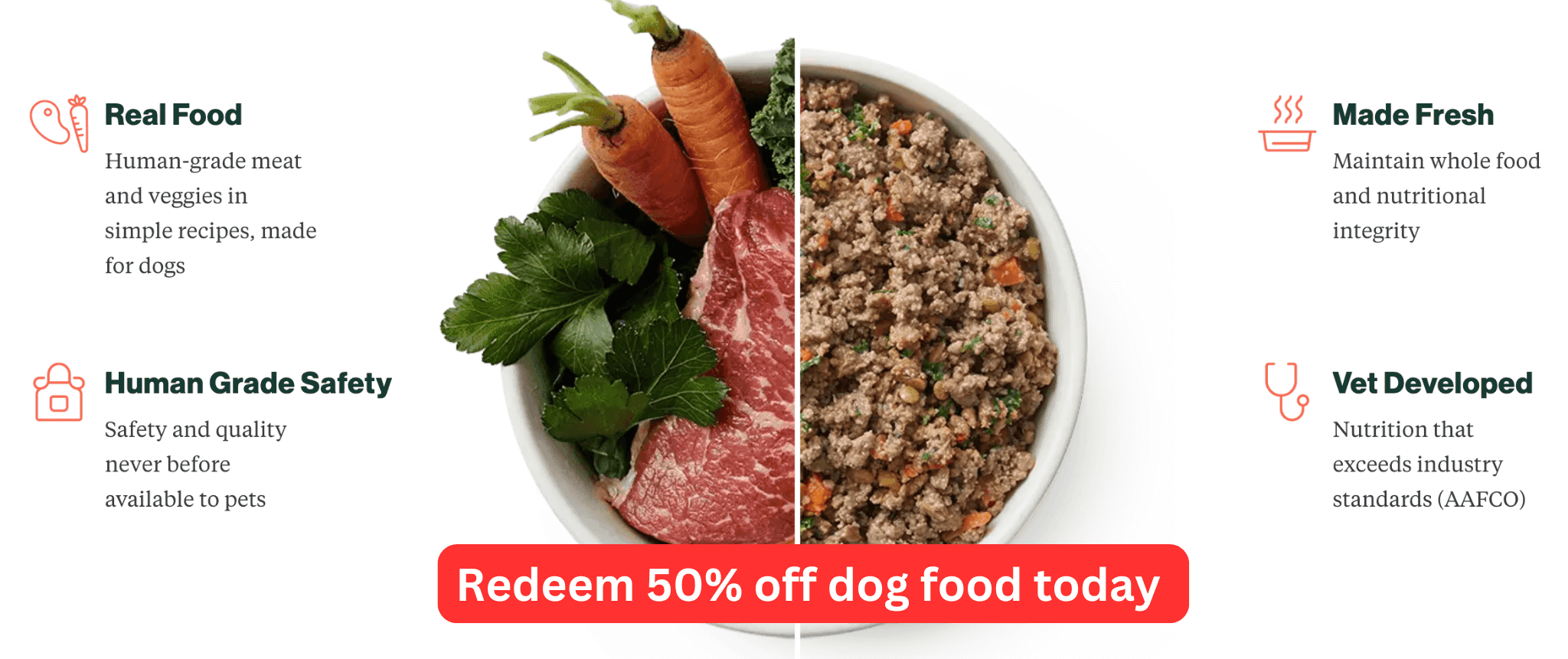
Purchasing dog food in bulk or during sales can lead to significant savings. Many pet stores and online retailers offer discounts for larger purchases or subscription services that deliver food on a regular schedule. Additionally, signing up for newsletters or loyalty programs can help you access coupons and promotional offers.
Homemade and Supplemented Diets
Some pet owners explore homemade diets as an alternative to commercial dog food. While preparing your own meals can sometimes be more affordable and allows you to control the ingredients, it’s essential to ensure the diet is nutritionally balanced. Consulting a pet nutritionist can help you avoid costly health issues related to dietary deficiencies.
Enhancing Your Dog’s Coat Health
A well-balanced diet not only supports overall health but also contributes to a shiny, healthy coat. For pet parents looking to enhance their dog’s coat, check out our in-depth article on the secret to making your dog's coat shiny. This resource provides insights on nutritional tips and grooming routines that can help ensure your furry friend maintains a lustrous, healthy coat.
Protecting Your Investment: The Role of Pet Health Insurance
Even with a balanced diet and proper care, accidents and unexpected illnesses can occur. Pet health insurance is an excellent tool to manage these unforeseen expenses. Here’s how to budget for and benefit from pet insurance:
Understanding Coverage Options
There are various pet insurance plans available, each with different coverage levels and premiums. When comparing policies, consider factors such as deductibles, co-pays, and the range of treatments covered. A plan that covers emergency care, surgeries, and chronic conditions might seem more expensive upfront but can be invaluable in the event of an accident or severe illness.
Balancing Premiums and Out-of-Pocket Costs
It’s important to weigh the monthly or annual premium costs against potential out-of-pocket expenses. Some plans offer customizable options, allowing you to choose the level of coverage that fits your budget. Investing in a robust insurance plan can reduce the financial strain during emergencies, ultimately ensuring your dog receives timely and effective treatment. For instance, many pet owners have found that policies like Trupanion pet health insurance offer comprehensive coverage that provides peace of mind in the face of unexpected veterinary bills.
Real-Life Savings with Health Insurance
Consider the case of Emily, a dog owner who opted for comprehensive pet insurance shortly after adopting her Labrador mix. When her pet unexpectedly required emergency surgery after an accident, the insurance covered a substantial portion of the costs. Without the policy, Emily’s out-of-pocket expenses would have significantly impacted her budget, demonstrating how a well-planned insurance strategy can provide financial security and ensure your pet receives the best care.
Adoption vs. Buying from a Reputable Breeder
Another major consideration in budgeting for dog ownership is deciding whether to adopt a pet from a shelter or purchase one from a reputable breeder. Both options have their own benefits and challenges, and the decision should be made based on your personal circumstances, lifestyle, and financial situation.
Adoption: A Compassionate and Cost-Effective Option
Adopting a dog from a shelter can often be less expensive than purchasing from a breeder, and it provides a loving home to an animal in need. Adoption fees generally cover initial veterinary care such as vaccinations, spaying or neutering, and microchipping, which can help lower early costs. However, keep in mind that while the initial fee might be lower, you may still need to invest in additional medical care, training, or behavioral assessments after adoption.
Reputable Breeders: Ensuring Predictability and Specific Traits
On the other hand, purchasing a dog from a reputable breeder can offer certain assurances regarding the animal’s lineage, temperament, and health. Reputable breeders invest in health testing and genetic screening, which can minimize the risk of inherited health issues. However, these benefits come at a higher price, and initial costs might be significantly more than adoption fees. The decision should be weighed carefully; while one option may appear cheaper upfront, long-term expenses related to health care and maintenance should also be considered.
Making an Informed Choice
A balanced approach to the question what dog is the cheapest involves looking beyond the initial cost. Whether you decide to adopt or buy from a breeder, the key is to research thoroughly and plan for the future. For example, Sarah, who was torn between adopting and buying, spent several months researching both options. She eventually decided to adopt, considering the lower initial fees and the opportunity to provide a home for a dog in need. However, she also set aside funds for potential medical and behavioral interventions, ensuring she was prepared for any future challenges.
Additional Budgeting Strategies for Responsible Dog Ownership
Beyond food and insurance, there are several other strategies you can employ to keep your dog’s overall expenses manageable:
Preventative Veterinary Care
Regular check-ups and preventative care, such as vaccinations and dental cleanings, can catch potential health issues early and reduce the need for more expensive treatments later. Establish a yearly budget for routine veterinary visits to ensure your pet remains in good health.

Training and Socialization
Investing in basic training classes can prevent costly behavioral issues down the road. A well-trained dog is less likely to develop habits that could lead to property damage or even injury. Look for community-based training classes or online resources that provide affordable and effective instruction.
DIY Grooming and Care
Grooming services can add up over time, especially for breeds with specific coat care needs. Learning to groom your dog at home can save money while also strengthening your bond with your pet. There are plenty of online tutorials and affordable grooming tools available that can help you maintain your dog’s coat and nails without a professional’s help. This not only reduces grooming costs but also gives you the opportunity to monitor your dog’s overall health more closely.
Setting Up a Pet Emergency Fund
Just as you might set aside money for human emergencies, establishing a dedicated pet emergency fund can be a lifesaver. Even with insurance, having extra cash available for unexpected expenses ensures that you can provide immediate care if something goes wrong.
Weighing the Long-Term Financial Implications
When considering all these factors, from quality food and health insurance to the decision between adoption and purchasing from a breeder it’s clear that the question of what dog is the cheapest is more complex than it first appears. A low upfront cost can sometimes mask higher long-term expenses. For instance, a dog with a minor health issue that requires ongoing treatment may end up costing more than a slightly more expensive, healthier pet.
Take the story of Jake, who initially chose what seemed to be the cheapest option available without fully considering the long-term implications. Over time, he encountered repeated veterinary bills for dietary allergies and minor surgeries. Had he budgeted for quality food and robust health insurance from the start, he might have avoided some of these expenses. Jake’s experience underscores the importance of comprehensive budgeting that goes beyond the initial purchase.

Balancing Short-Term Savings with Long-Term Care
Ultimately, making the best financial decision for dog ownership involves balancing short-term savings with long-term care considerations. Whether your focus is on finding a dog that fits within your immediate budget or planning for future expenses, it’s essential to consider the full spectrum of costs involved.
For example, if you’re asking yourself what dog is the cheapest? it’s beneficial to create a detailed budget that includes:
- Initial Costs: Adoption fees or breeder costs, initial vaccinations, spaying/neutering, microchipping, and essential supplies.
- Recurring Costs: Food, regular veterinary visits, grooming, training, and insurance premiums.
- Unexpected Expenses: Emergency medical care, additional training for behavioral issues, and special dietary needs.
This detailed approach ensures that you’re not caught off guard by expenses that could compromise your pet’s quality of care. The key is to think holistically and remember that the cheapest option on the surface might not offer the best value over time.
Conclusion
Deciding on dog ownership requires thoughtful planning and budgeting. While many prospective pet owners wonder what dog is the cheapest - the true measure of affordability lies in the long-term commitment to your pet’s well-being. By investing in quality food, securing comprehensive health insurance, and carefully weighing the pros and cons of adoption versus purchasing from a reputable breeder, you can make a choice that aligns with both your financial situation and your desire to provide a loving home.
Remember, there’s no one-size-fits-all answer. Your decision should reflect your lifestyle, financial capacity, and commitment to responsible pet care. A well-planned budget not only helps you manage expenses but also ensures that your furry companion leads a healthy, happy, and fulfilling life. With careful planning and a balanced approach, you can enjoy the joys of dog ownership without compromising on quality care or breaking the bank.
Happy pet parenting, and may your journey lead you to a well-informed and financially secure decision that benefits both you and your new best friend!