Why Does My Dog Follow Me Everywhere, Even to the Bathroom?
Table of Contents
- Why Does My Dog Follow Me Everywhere? Start With the Everyday Reasons
- Why Does My Dog Follow Me to the Bathroom?
- A Velcro Dog Is Not Automatically an Anxious Dog
- What If My Dog Has Suddenly Become Clingy?
- Help Your Dog Feel Comfortable Without a Full-Time Escort
- If You Need to Leave Before Your Dog Is Ready
- What Not to Do With a Clingy Dog
- Questions About Dogs Who Follow Their Owners
- Your Dog Can Love You and Let You Walk to the Kitchen Alone
- FAQs
Love Margot is reader-supported. I may earn a commission through links in this post.
“Why does my dog follow me everywhere?” If you’ve ever had a dog supervise a two-minute bathroom trip, the question probably needs no explanation. Dogs may trail you for company, familiar routines, or the good things they associate with you. Following you around, by itself, does not establish separation anxiety.
Still, there is something impressive about the speed of the response. You stand up to refill your water, and suddenly you have an escort. Apparently, the walk to the kitchen requires two members of staff.
The useful question is how your dog feels about the arrangement. Are they happily tagging along, or struggling whenever they cannot reach you? That difference tells you far more than the number of times they follow you down the hall.
Why Does My Dog Follow Me Everywhere? Start With the Everyday Reasons
Before giving your dog a complicated psychological backstory, consider what happens around you each day.
- You are good company. Being near a familiar person can be part of an ordinary social routine.
- You make interesting things happen. Meals, walks, play, and attention often start when you move.
- Following has paid off before. If joining you regularly leads to a scratch behind the ears or a dropped piece of dinner, the trip has a pretty good track record.
The American Kennel Club’s explanation of following behavior includes learned rewards and a preference for particular people. A dog does not need to be worried to decide that the person opening the refrigerator is worth keeping in view.
Some dogs also enjoy staying physically close more than others. That can happen with a tiny companion dog, a busy herding dog, or a large dog who considers the space beside your chair a perfectly reasonable parking spot. Breed labels alone do not explain an individual dog’s behavior.
Why Does My Dog Follow Me to the Bathroom?
To you, the bathroom is a private destination. To your dog, it may simply be the next room you entered.
If they normally follow you into the kitchen and bedroom, the bathroom may not represent a separate mystery. The same habits can explain the entire route. You moved, so they moved.
Standing outside a closed door does not tell you the reason, either. A dog who waits quietly and then wanders off presents a different picture from one who becomes frantic, claws at the door, or cannot settle. Notice the response rather than assuming your dog is protecting you, checking your health, or making a statement about your relationship.
It is fine to want the bathroom to yourself. Start with what your dog can comfortably manage, rather than turning a closed door into a surprise test.
A Velcro Dog Is Not Automatically an Anxious Dog
“Velcro dog” is a nickname, not a diagnosis. A dog can enjoy following you and still rest comfortably when you leave.
Pay closer attention when separation brings a pattern of distress, such as:
- Repeated pacing, trembling, or heavy panting when they are not hot or exercising.
- Persistent howling or barking around your departure.
- Drooling, escape attempts, or damage concentrated around exits.
- Toileting accidents that occur during absences and need medical or training causes considered too.
These observations are reasons to investigate, not a checklist that diagnoses your dog. Context matters. VCA’s veterinary guidance on separation-related distress distinguishes dogs worried about being alone from those distressed by a particular person’s absence.
If your dog already becomes distressed, do not deliberately leave them to panic so you can see what happens. Arrange professional help and reduce avoidable stressful absences while you work on a plan.
What If My Dog Has Suddenly Become Clingy?
A change from your dog’s usual behavior deserves more attention than a habit they have had for years.
Make a note of when it started and what else changed. A different work schedule, a recent move, or changes in the household may be useful context. Also tell your veterinarian about changes in appetite, sleep, movement, bathroom habits, or reactions to touch. In an older dog, mention any apparent changes in hearing, vision, or orientation.
The Merck Veterinary Manual’s guide to assessing behavior problems explains why medical history and the pattern of behavior matter. A new label like “needy” is less useful than a clear account of what changed.
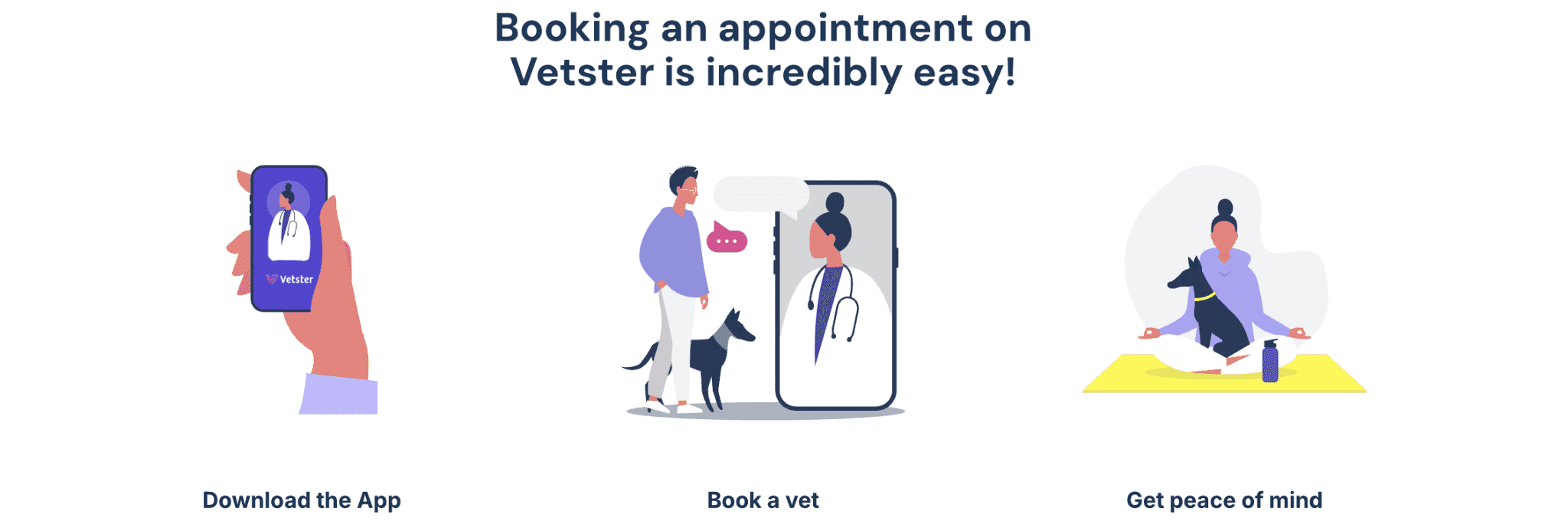
For a nonurgent conversation, an online veterinary appointment through Vetster is one option to consider. Check the clinician’s availability and service limits where you live. Your dog may still need an examination at a clinic; a video conversation is not a substitute for emergency care.

Advertisement
Help Your Dog Feel Comfortable Without a Full-Time Escort
For a dog who is already relaxed and simply likes being nearby, begin with small, ordinary opportunities to settle independently. This is confidence-building practice, not a treatment plan for a dog who panics during separation.
Make Resting Nearby Worthwhile
Start with a comfortable resting spot while you remain in the same room. Quietly acknowledge or reward your dog when they choose to relax there. You are making another option appealing, rather than waiting for them to get under your feet and then correcting them.
A folded blanket they already like is a perfectly reasonable starting point. This does not have to become a shopping project.
Add Distance in Small Amounts
When your dog is comfortable resting, make a small movement away and return while they remain at ease. Build gradually from what your individual dog tolerates. There is no useful prize for reaching another room faster than they can handle.
Dogs Trust’s alone-time guidance emphasizes gradual practice and watching the dog’s response. If worry appears, make things easier. If even a brief separation causes distress, pause the exercise and seek qualified help.
Give the Day Some Predictability
Make room for appropriate exercise, sniffing, play, rest, and bathroom breaks. Consider whether your dog is following because an ordinary need has not been met before you assume there is a behavior problem.
If your dog enjoys gentle background viewing, our TV for dogs guide includes Love Margot’s channels. Treat that as optional enrichment and watch their response. A video is not a treatment for separation anxiety.
If You Need to Leave Before Your Dog Is Ready
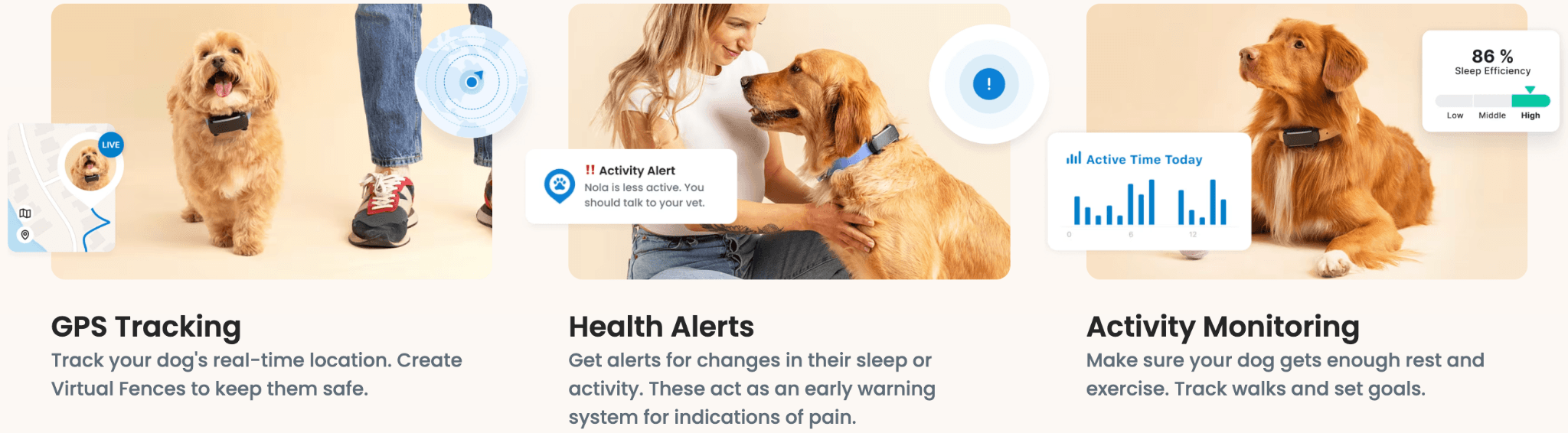
Real life does not always wait for training to catch up. A trusted friend, relative, or suitable sitter may help you avoid an absence your dog cannot yet manage.
If you need to find paid help, Rover’s pet-sitter listings are one place to look. Discuss your dog’s needs directly, arrange an introduction, and confirm the actual supervision available. A listing is not evidence that someone has specialist behavior qualifications.
Some dogs are comfortable with another trusted person; others remain distressed when one particular person leaves. Check which situation applies to your dog before relying on a sitter as the solution. Daycare and boarding are not automatically suitable alternatives either.
What Not to Do With a Clingy Dog
Avoid scolding, frightening your dog away, or forcing a long separation to make them “get used to it.” The Merck Veterinary Manual’s behavior guidance favors reinforcement-based approaches and cautions against punishment that adds fear or anxiety.
A crate also is not automatically the answer. A dog who panics when confined needs an individual plan, not a tougher crate and a longer wait.
You can enjoy an affectionate dog and teach comfortable time apart. The aim is a dog who has choices and feels safe, not one who has stopped asking for your company because asking became unpleasant.
Questions About Dogs Who Follow Their Owners
Does following me everywhere mean my dog has separation anxiety?
No. Following alone does not establish separation anxiety. Look at how your dog responds when they cannot reach you or when you leave, and discuss persistent distress with your veterinarian. A dog who enjoys company and can also settle alone presents a different picture from a dog who panics.
Why does my dog follow me everywhere but not my partner?
Notice who usually provides meals, walks, games, and attention. Learned routines can help explain a preference for one person. That preference is not, by itself, a measure of who the dog loves most or proof of an anxiety problem.
Should I stop my dog from following me to the bathroom?
You can set a comfortable boundary if you want privacy. Practice resting nearby and brief, easy periods apart before expecting your dog to cope behind a closed door. If a barrier causes distress, work with a qualified professional instead of forcing the situation.
When should I ask a vet about a clingy dog?
Ask when following is a sudden change, occurs alongside other health or behavior changes, or involves distress during separation. Bring notes about timing and context. Existing video can be useful, but do not provoke panic to obtain a recording.
Your Dog Can Love You and Let You Walk to the Kitchen Alone
If “why does my dog follow me everywhere?” describes a relaxed companion who can also settle, you may simply have a very enthusiastic assistant. Enjoy the company when it suits you, and make comfortable independence part of everyday life.
If your dog is struggling, take that seriously and get support. Bathroom privacy is a reasonable goal. Helping your dog feel safe enough to allow it is the part that matters.
FAQs
Does following me everywhere mean my dog has separation anxiety?
No. Following alone does not establish separation anxiety. Look at how your dog responds when they cannot reach you or when you leave, and discuss persistent distress with your veterinarian. A dog who enjoys company and can also settle alone presents a different picture from a dog who panics.
Why does my dog follow me everywhere but not my partner?
😂 Notice who usually provides meals, walks, games, and attention. Learned routines can help explain a preference for one person. That preference is not, by itself, a measure of who the dog loves most or proof of an anxiety problem.
Should I stop my dog from following me to the bathroom?
You can set a comfortable boundary if you want privacy. Practice resting nearby and brief, easy periods apart before expecting your dog to cope behind a closed door. If a barrier causes distress, work with a qualified professional instead of forcing the situation.
When should I ask a vet about a clingy dog?
Ask when following is a sudden change, occurs alongside other health or behavior changes, or involves distress during separation. Bring notes about timing and context. Existing video can be useful, but do not provoke panic to obtain a recording.