Bone Health in Giant Breeds: A Comprehensive Guide
As a dog lover and owner of a giant breed dog, I know how important it is to keep our gentle giants healthy and happy. One of the most crucial aspects of their well-being is maintaining good bone health. Bone health in giant breeds is particularly significant due to their size and unique needs. In this blog post, we will explore the significance of bone health in large dogs, common bone issues they face, how to identify signs of problems, prevention and treatment options, and the best food choices for promoting strong bones.
The Significance of Bone Health in Large Dogs

Giant breed dogs, such as Great Danes, Mastiffs, and Saint Bernards, are known for their impressive size and strength. However, their large stature also puts them at risk for various bone-related issues. Due to their rapid growth and heavy weight, these breeds require special attention and care to maintain proper bone health and prevent potential problems.
According to a study published in the American Journal of Veterinary Research, approximately 20% of dogs weighing over 50 kilograms (110 pounds) experience orthopedic issues, compared to just 5% of smaller dogs. This highlights the importance of understanding and addressing bone health in giant breeds.

Common Bone Issues in Giant Breed Dogs
Some of the most common bone-related problems in large dogs include:
Hip dysplasia: A genetic condition where the ball and socket joint in the hip is malformed, leading to arthritis and pain.
Elbow dysplasia: A developmental disorder affecting the elbow joint, causing pain and lameness.
Osteochondritis dissecans (OCD): A condition where cartilage within a joint fails to mature and separate from the underlying bone, resulting in inflammation and pain.
Panosteitis: Also known as "growing pains," this is an inflammation of the long bones during rapid growth periods, causing pain and temporary lameness.

Identifying Signs of Bone Problems
Early detection is key to managing and treating bone issues in giant breed dogs. Some common signs to look out for include:
Limping or lameness
Difficulty getting up or lying down
Reluctance to jump or climb stairs
Swelling around joints
Stiffness, especially after rest
Decreased activity level
If you suspect your dog is experiencing any of these symptoms, consult your veterinarian for a proper diagnosis and treatment plan.
Prevention and Treatment of Bone Diseases
Prevention is always better than cure, and there are several steps you can take to minimize the risk of bone problems in your giant breed dog:
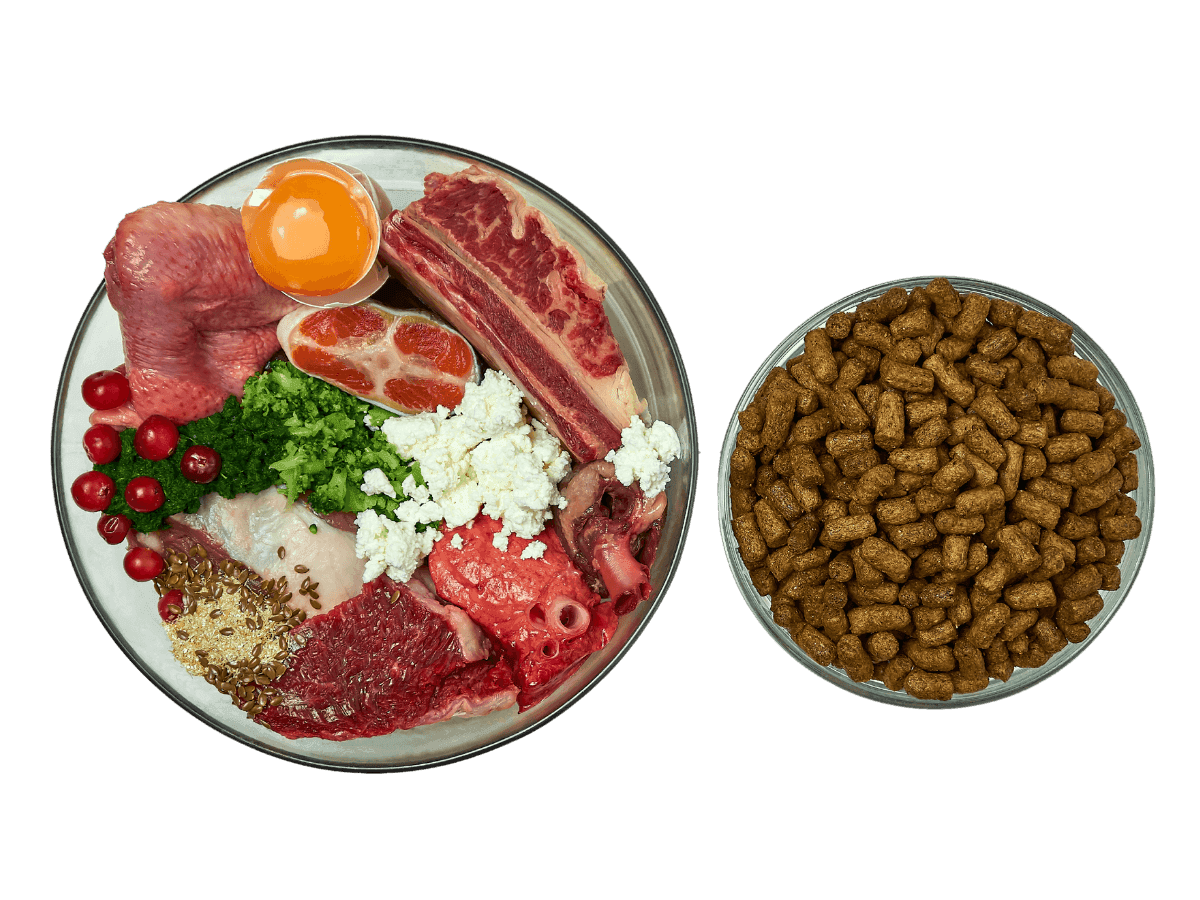
Proper nutrition: Ensure your dog receives a balanced diet with appropriate levels of calcium, phosphorus, and vitamin D to support bone development and growth.
Weight management: Keep your dog at a healthy weight to reduce stress on their joints and bones.
Regular exercise: Encourage low-impact activities such as swimming or walking to maintain muscle strength and joint flexibility.
Genetic screening: If you're considering a giant breed puppy, research the parents' health history and opt for breeders who perform genetic testing for common bone disorders.
Treatment options for bone issues will vary depending on the severity and underlying cause but may include medication, physical therapy, weight management, and in some cases, surgery.
Best Food Choices for Bone Health in Giant Breed Dogs
When selecting food for your giant breed dog, consider products specifically formulated for large breeds. These foods typically contain:
Lower levels of calcium and phosphorus to support controlled growth and reduce the risk of developmental orthopedic diseases.
Balanced levels of protein and fat to promote healthy weight gain without excessive growth.
Added glucosamine and chondroitin to support joint health.
Consult your veterinarian for personalized recommendations based on your dog's specific needs.
In conclusion, bone health is a critical aspect of caring for giant breed dogs. By understanding the common issues they face, recognizing early signs of problems, and taking preventive measures, we can help ensure our gentle giants live happy, healthy lives. Remember to always consult your veterinarian for guidance on maintaining optimal bone health in your large breed dog.