The Great Controversy: Cropped vs Natural Ears in Great Danes
Great Danes are a breed known for their majestic size and gentle demeanor. One characteristic that often sparks debate among enthusiasts, breeders, and pet owners is the practice of ear cropping. This article aims to provide a comprehensive overview of cropped vs natural ears in Great Danes, addressing the reasons behind the method, the pros and cons of each, and the ongoing debates in the context of breed preservation. By exploring the topic of cropped vs natural ears in Great Danes, readers can gain insight into the historical, ethical, and practical considerations that continue to shape this discussion.
Historical Context and Breed Preservation
Historically, ear cropping was performed on Great Danes when they were primarily used to hunt wild boar in Europe. The purpose was functional rather than aesthetic, as cropped ears were less likely to be torn during a hunt.
The practice of cropping ears primarily applies to certain breeds, not all. Historically, many guard dogs, such as Dobermans and Boxers, had their ears cropped to enhance their intimidating appearance, making them more reminiscent of wolves. This tradition has carried over to the present day in some regions, where it's still standard for certain breeds.
In about 20 dog breeds, including Great Danes, Schnauzers, and others, ear cropping is an elective surgery that's still being implemented. The decision to crop a dog's ears largely depends on the owner's preference, the breed standards set by kennel clubs, and often, the intended purpose of the dog (e.g., show dog, working dog, etc.)

It's important to note that while this practice is legal and common in some parts of the world, it is considered controversial and is banned in several countries due to concerns about animal welfare.
Regarding breed preservation, it is noted that, as a general rule, show dogs with cropped ears often receive better placement. This preference has roots in tradition and the breed standard set by kennel clubs. However, it's important to note that standards vary across different countries and kennel clubs, with some moving away from requiring cropped ears for show dogs.

Cropped Ears: Pros and Cons
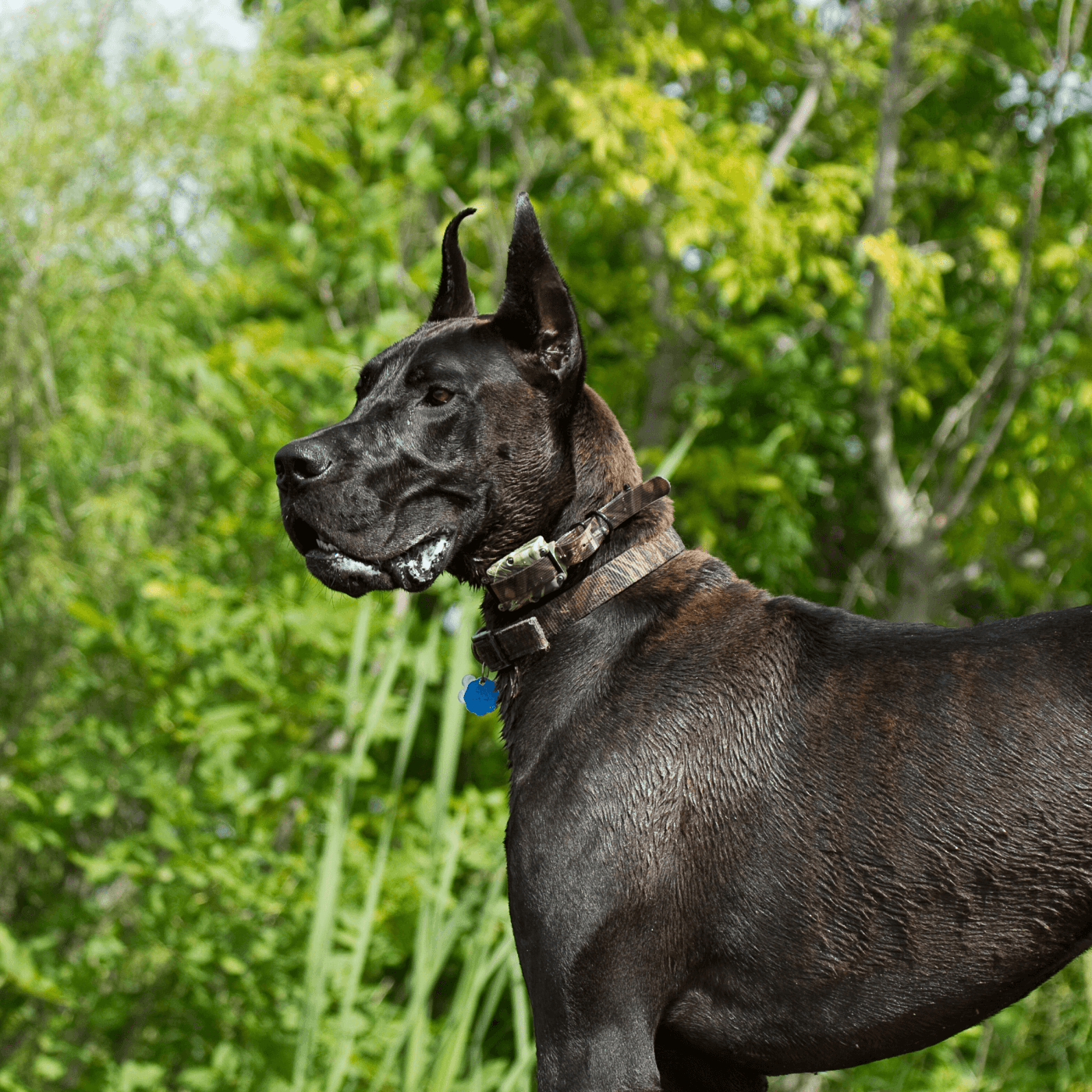
Cropping a Great Dane's ears is a surgical procedure typically performed when the puppy is between 7 and 8 weeks old. This period is chosen as it is believed to be the optimal time when the cartilage in the puppy's ears is soft enough to shape yet resilient enough to support the healing process. The procedure involves trimming part of the ear and shaping the remaining portion to stand erect
Pros:
- Aesthetics: Some individuals prefer the look of cropped ears, believing it gives the dog a more regal or intimidating appearance
- Breed Standards: In some kennel clubs, cropped ears are considered part of the breed standard for show dogs.
- Health: Advocates argue that cropped ears may reduce the risk of ear infections by improving airflow to the ear canal.
Cons:
- Surgical Considerations: As with any surgical procedure, there are considerations such as potential infection, bleeding, and reactions to anesthesia
- Post-Surgical Care: After the procedure, puppies may experience mild discomfort, which is typically managed effectively under veterinary guidance. The healing process also requires regular care, including cleaning and monitoring the ears.
- Ethical Concerns: Some people argue that cropping is a cosmetic procedure that offers no significant health benefits and is, therefore, unnecessary

Natural Ears: Pros and Cons
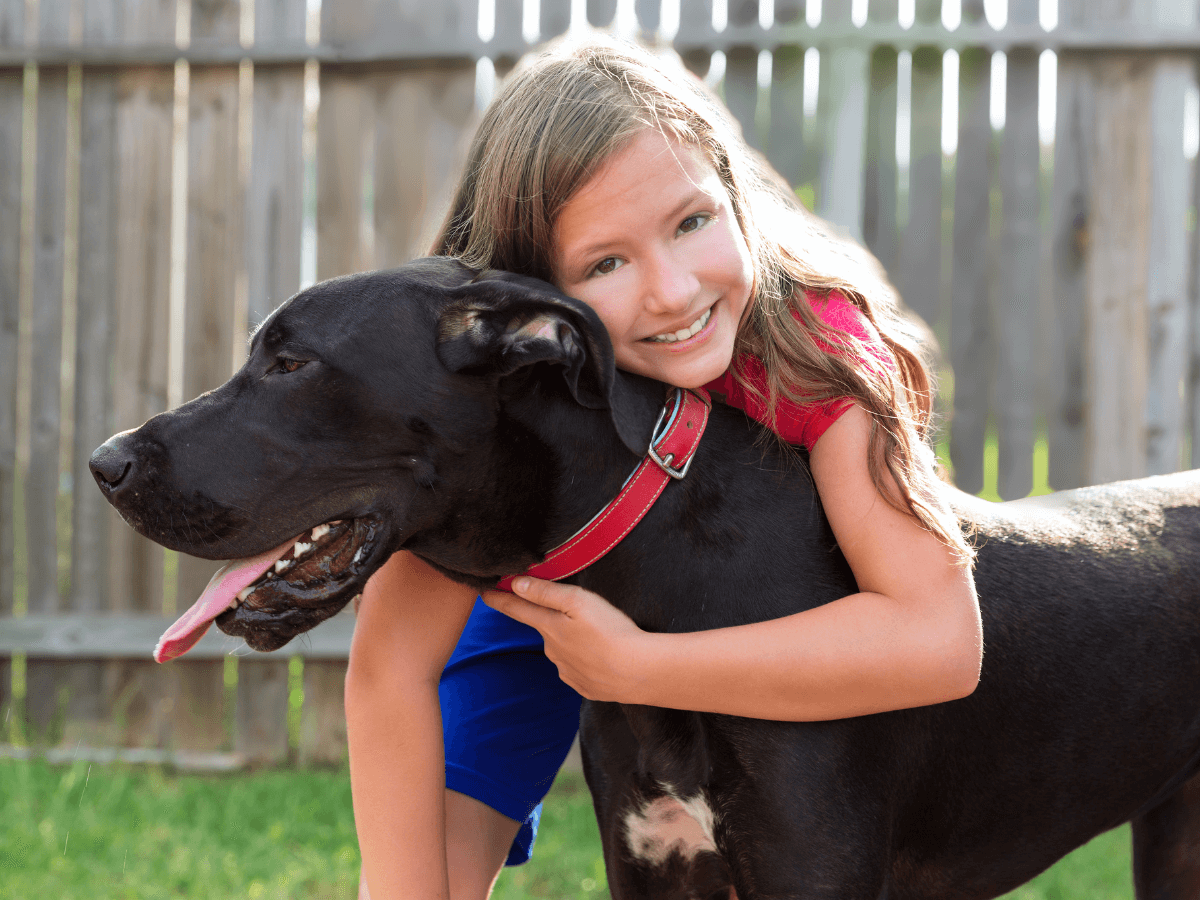
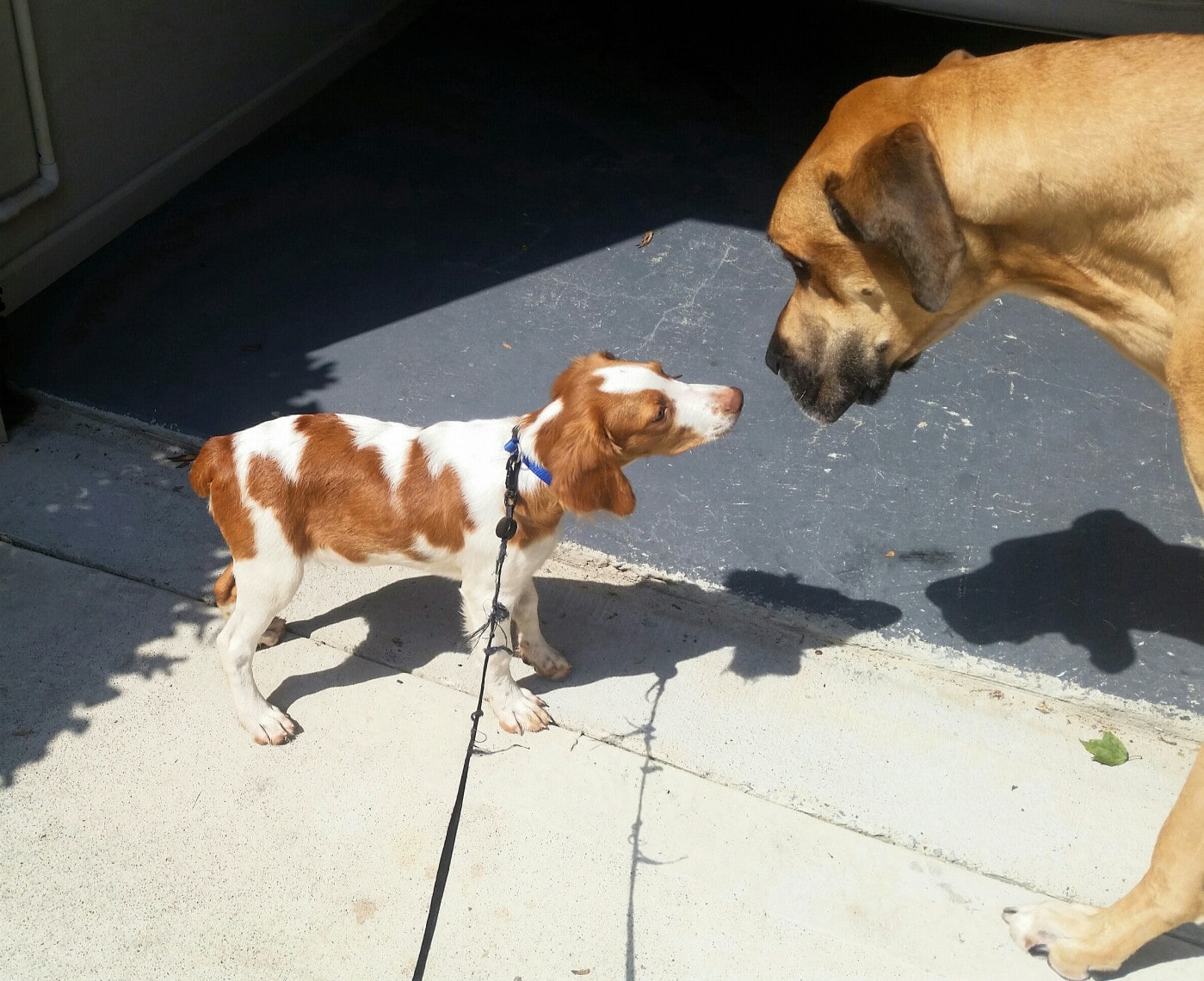
Choosing to leave a Great Dane's ears natural means letting them hang down on either side of the head, which is their natural state.
 Pros:
- Avoiding Surgical Risks: Leaving ears natural avoids cropping surgery's potential risks and discomfort.
- Natural Appearance: Many people appreciate the natural look of a Great Dane with uncropped ears, finding it softer and more approachable
- Behavioral Expression: Dogs use their ears to express emotions and communicate. Natural ears allow a full range of motion, facilitating better communication with humans and other dogs.
Cons:
- Potential Health Issues: Although less common in Great Danes than in some breeds with heavier ears, dogs with natural ears may be more prone to ear infections due to less airflow to the ear canal. Regular cleaning with a gentle ear wash can help prevent infections by removing excess wax, debris, and moisture that can contribute to bacterial or yeast growth. Establishing a consistent ear care routine is essential for maintaining the health of your Great Dane's ears
- Breed Standards: In some kennel clubs, natural ears may be less accepted in dog shows

Global Stance on Ear Cropping
The practice of ear cropping in dogs has been outlawed in many countries due to animal welfare concerns. Here are a few examples:
- United Kingdom: Ear cropping was made illegal in 1899 under the Protection of Animals Act and is also mentioned in the Animal Welfare Act 2006
- Sweden: Sweden banned both ear cropping and tail docking in 1989
- Netherlands: The Netherlands banned these procedures in 2001
- Australia: The Australian Veterinary Association and the Royal Society for the Prevention of Cruelty to Animals announced a joint policy against ear cropping in 2004
- New Zealand: New Zealand prohibited the procedure in 2015
It's important to note that while these countries have laws against ear cropping, enforcement and penalties can vary. Some countries also allow exceptions for certain breeds or under specific circumstances.
In contrast, ear cropping is still legal in the United States and some parts of Europe. However, there is an ongoing debate about the ethical implications of the practice, sparking calls for change in these regions as well.
Conclusion
The debate surrounding cropped vs natural ears in Great Danes is one that has sparked considerable discussion within the dog-owning community. This issue is steeped in history, with ear cropping originally performed for practical purposes, such as preventing injuries during hunting or guarding. Today, the practice is often rooted in aesthetics or tradition, while many owners prefer the natural look to avoid unnecessary surgical procedures.
When deciding between cropped vs natural ears in Great Danes, it’s vital to consider the health, ethical, and practical implications of both options. Cropping is a surgical procedure that requires anesthesia, carries risks, and involves a recovery period. Conversely, leaving a Great Dane’s ears natural avoids these medical concerns but may result in a different appearance than the traditional cropped look.
This decision is deeply personal and should be made after thorough research and consultation with trusted veterinarians and breed experts. Understanding the potential benefits, risks, and maintenance requirements of both options is crucial when weighing cropped vs natural ears in Great Danes. Regardless of the choice, a Great Dane’s value lies not in its physical appearance but in the companionship, love, and loyalty it brings to its family. Ultimately, a well-informed owner ensures the best outcome for their dog’s health and happiness.