Game-Changing Changes in Your Dog After Spay
When it comes to spaying your dog, it’s not just about the surgery, it’s about understanding what happens afterward. Spaying is a big deal, not just for your dog’s health but also for her overall behavior, energy, and even her appetite. Let’s dive into the changes in your dog after spay that you might not expect but definitely need to know about.
 1. The Hormonal Rollercoaster Stops
Think of spaying as hitting the pause button on your dog’s hormonal soap opera. Before the surgery, her body was producing hormones like estrogen, which fueled behaviors tied to mating instincts. After spay, those hormones take a nosedive. What does that mean for you?
- No More Mood Swings: Dogs won’t go into heat anymore, which means no pacing, whining, or looking for a mate.
- Behavioral Calmness: Many owners notice their dog becomes more relaxed, but don’t expect a complete personality transplant—she’s still her lovable self.
For my girls, I always wait until they are at least 2 years old to spay. This gives their bodies time to fully mature and reduces the risk of orthopedic issues, which are more common in large breeds when spayed too early.
2. Weight Gain - Fact or Myth?
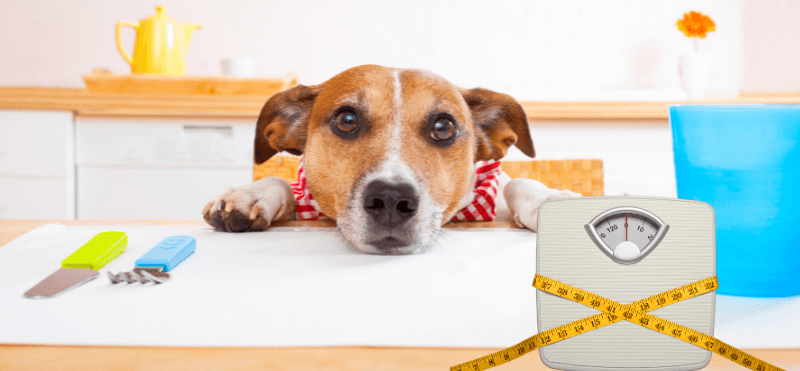
One of the most common changes in your dog after spay is a tendency toward weight gain. Why? Hormonal shifts can slow down her metabolism. But don’t panic, this doesn’t mean she’s destined to become a couch potato.
How to Keep Her Fit:
- Adjust her portion sizes post-surgery.
- Incorporate low-calorie snacks or veggies like carrots or green beans.
- Add in daily walks or play sessions to keep her active.
3. Say Goodbye to Certain Health Risks
Spaying isn’t just about avoiding surprise puppies. It also eliminates or reduces the risk of several serious health conditions, such as:
- Uterine Infections (Pyometra): A life-threatening condition that’s completely avoided post-spay.
- Breast Cancer: Studies show spaying before the first heat cycle significantly lowers the risk.
Think of this as your dog’s ultimate “health insurance policy.” You’re not just saving on potential vet bills; you’re adding years to her life.
4. Behavioral Shifts - For Better or Worse
While spaying removes some hormonally driven behaviors, it doesn’t necessarily fix everything. Your dog’s individual personality and past experiences still play a huge role in her actions.
What Might Improve:
- Less Roaming: Without the instinct to find a mate, she’s more likely to stick close to home.
- Reduced Aggression: In some cases, spaying helps curb aggression tied to hormones.
What Might Stay the Same:
- Bad Habits: If your dog loves digging through the trash or barking at the neighbor’s cat, spaying won’t change that, it’s time for training!
5. Recovery: The Chill-Out Period
One of the biggest changes in your dog after spay is her need for TLC during recovery. She might be sleepy, less active, and not as interested in food for a day or two.
Tips for a Smooth Recovery:
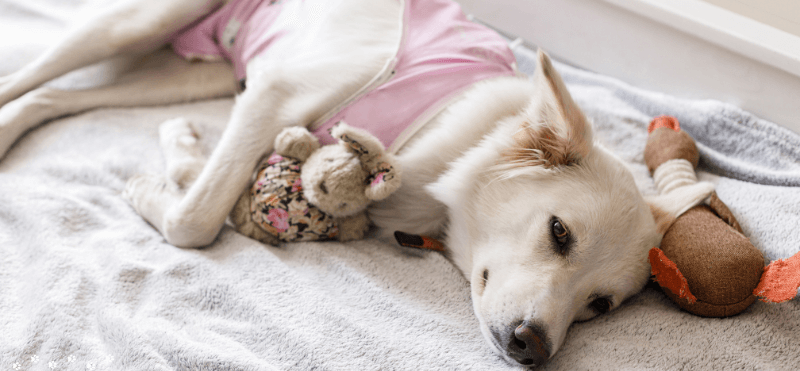
- Use a good surgical suit, and create a cozy recovery area where she can rest without being disturbed.
- Follow your vet’s instructions on activity restrictions and pain management.
- Watch for any unusual symptoms like swelling, discharge, or fever and call your vet immediately if you notice anything off.
Bonus Section: Busting Myths About Spaying
- Will Spaying Change Her Personality? Nope! Spaying doesn’t change your dog’s core personality, it just dials down the hormonal behaviors.
- Is She Going to Get Lazy? Not if you keep her active! Regular exercise and a healthy diet keep her energetic and fit.
- Does She Need Time to Adjust? Most dogs bounce back within a week or two, but it’s normal to see small behavioral changes over the first month.
Final Thoughts: Embrace the Changes
Spaying your dog is one of the best decisions you can make for her long-term health and happiness. While there are plenty of changes in your dog after spay, most of them are positive and manageable with the right approach. From weight management to reduced health risks, it’s all about setting her up for a healthier, happier life.
And if she gives you those puppy eyes during recovery, don’t worry, you’re both doing great. Just stock up on low-calorie treats and extra belly rubs, and you’ll have her back to her happy, wiggly self in no time.