Key Signs You're Overfeeding Your Dog
Feeding our dogs is one of the ways we show love, but sometimes our generosity can lead to unintended consequences. Overfeeding isn’t just about extra weight—it can create a host of health issues that impact your dog’s quality of life. The good news? By recognizing the signs that you're overfeeding your dog, you can take steps to improve their health and happiness.
Why Overfeeding Is a Serious Problem
Overfeeding contributes to obesity, which is one of the most preventable health risks in dogs. Obesity isn’t just about aesthetics; it puts your dog at greater risk of:
- Arthritis and Joint Pain: Extra weight adds stress to your dog’s joints, increasing the likelihood of arthritis.
- Heart Disease: Carrying extra weight makes the heart work harder, leading to cardiovascular strain.
- Diabetes: Overfeeding can cause insulin resistance, putting your dog at risk for diabetes.
- Reduced Lifespan: Studies show that dogs at an ideal weight live up to 2.5 years longer than their overweight counterparts.
The key to tackling obesity is understanding the signs of overfeeding and making gradual, sustainable changes to your dog’s diet and routine.
Signs That You're Overfeeding Your Dog
1. Weight Gain
A steady increase in your dog’s weight is a clear sign of overfeeding. If their harness or collar feels tighter, or they’ve lost their defined body shape, it’s time to reassess their diet.
2. Difficulty Feeling Ribs
Run your hands gently along your dog’s sides. You should be able to feel their ribs easily without pressing hard. If you can’t, they might be carrying too much fat.
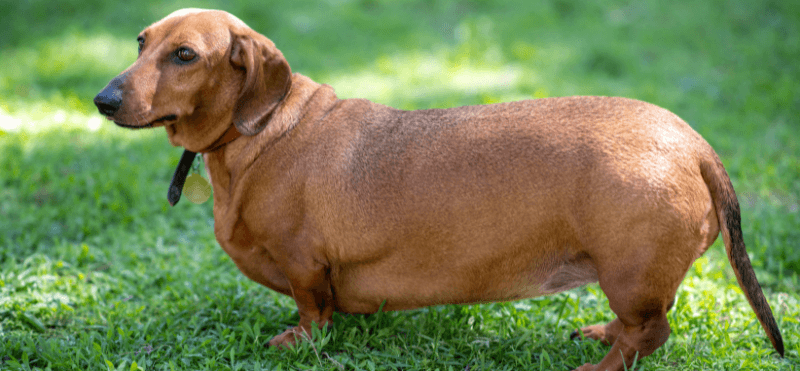
3. Lack of a Defined Waist
When viewed from above, your dog’s body should taper at the waist. A straight or rounded silhouette indicates that you're overfeeding your dog.
4. Low Energy Levels
Carrying extra weight can make your dog lethargic and less willing to play or exercise. If your usually energetic dog seems tired or uninterested, diet could be a factor.
5. Begging or Scavenging
Dogs often beg for food, but if this behavior becomes constant, it could be a sign of overfeeding. Paradoxically, overfeeding can create a cycle where your dog craves more food due to unbalanced feeding habits.
6. Digestive Issues
Soft stools, gas, or frequent upset stomachs can all be signs that you're overfeeding your dog. Overeating can overwhelm their digestive system, leading to discomfort.
The Dangers of Obesity in Dogs
Obesity doesn’t just reduce your dog’s lifespan; it also diminishes their quality of life. Carrying extra weight makes every activity—from walking to getting up from a nap—more challenging. Over time, it can lead to chronic pain, reduced mobility, and an increased dependency on medications.
Practical Solutions to Overfeeding
Making changes to your dog’s diet doesn’t have to be overwhelming. Here are effective ways to help your dog shed extra pounds:
1. Portion Control
Measure your dog’s meals with a kitchen scale or measuring cup to ensure they’re getting the right amount. Feeding guidelines on dog food packaging are a helpful starting point, but your vet can offer personalized recommendations based on your dog’s size, age, and activity level.
2. Low-Calorie Kibble Options
Switching to a low-calorie kibble can help reduce your dog’s weight quickly. This doesn’t have to be a permanent change, it’s simply a tool to get their weight down to a healthier range.
3. Add Vegetables
Replacing a portion of your dog’s usual food with low-calorie vegetables like green beans, carrots, or zucchini is an excellent way to bulk up their meals without adding extra calories.
4. Limit Treats
Treats should only make up about 10% of your dog’s daily calorie intake. Choose low-calorie options or use small pieces of apple, cucumber, or plain popcorn as rewards.
The Role of High-Quality Food
While any balanced diet can help maintain your dog’s weight, fresh, nutrient-dense foods often provide better results. The Farmer’s Dog’s multi-year feeding study highlights how personalized, pre-portioned meals can simplify weight management.
If fresh food isn’t feasible, consider combining it with other options, like low-calorie kibble or home-cooked meals, to suit your dog’s needs.
Final Thoughts
Recognizing the signs that you're overfeeding your dog is the first step toward making positive changes. Small adjustments, like measuring portions, adding low-calorie vegetables, or trying weight-management kibble, can make a big difference.
Remember, it’s not about deprivation it’s about balance. With the right approach, you can help your dog achieve a healthy weight, improve their quality of life, and enjoy many more happy years together.