Do Great Danes Make Good Guard Dogs? An In-Depth Analysis
The Majestic Great Dane: A Brief Background
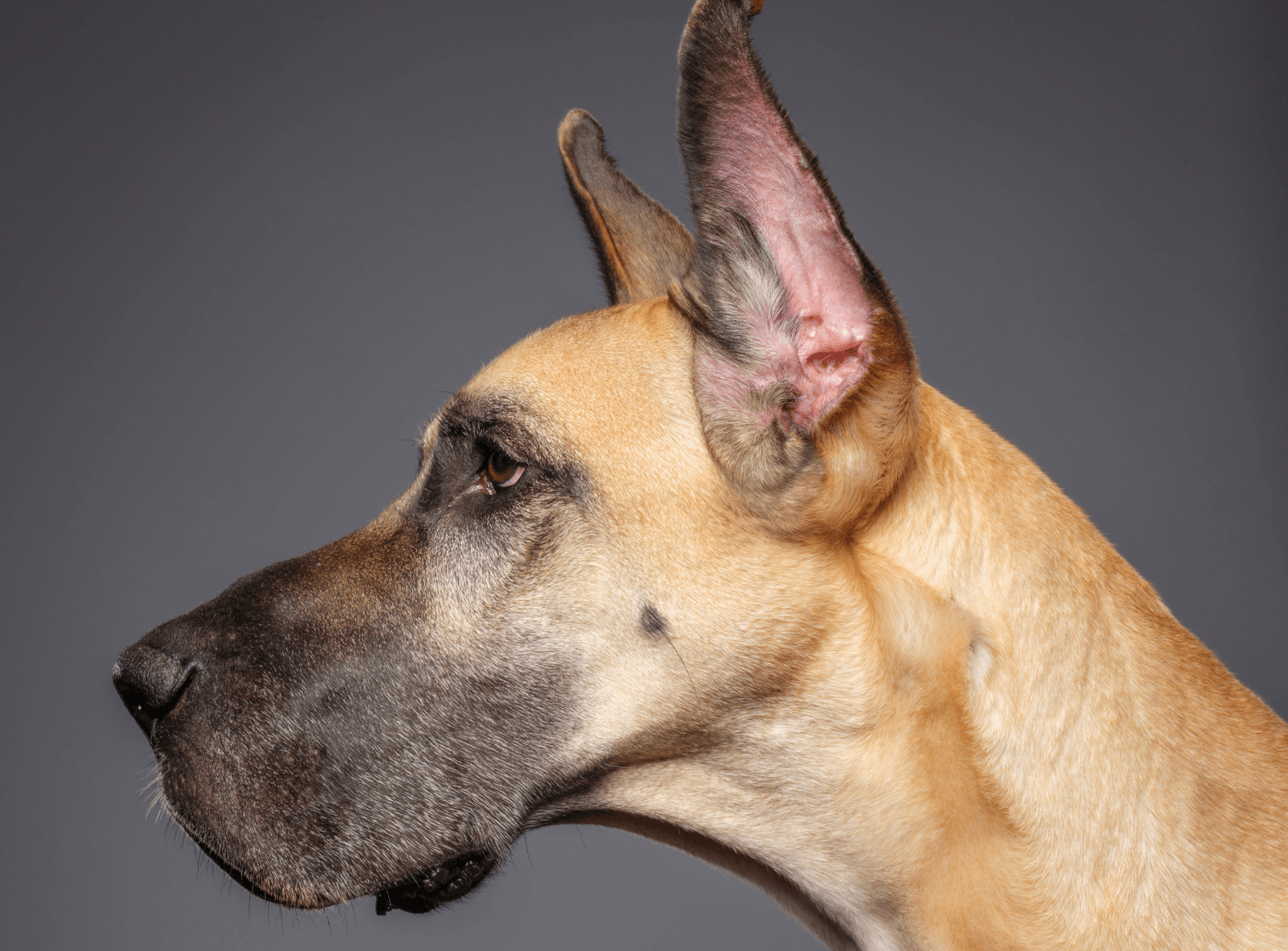
Great Danes, also known as the Apollo of Dogs, are a breed that commands attention. Originating from Germany, they are known for their imposing size and regal appearance. Males can reach up to 32 inches in height at the shoulder and females about 30 inches. Despite their towering size, these dogs are known for their gentle hearts, earning them the nickname 'gentle giants.' But do Great Danes make good guard dogs? Their size alone can deter potential threats, and while their temperament is typically gentle, they are protective of their families when needed, combining loyalty with an imposing presence.

Physical Attributes: Size and Strength
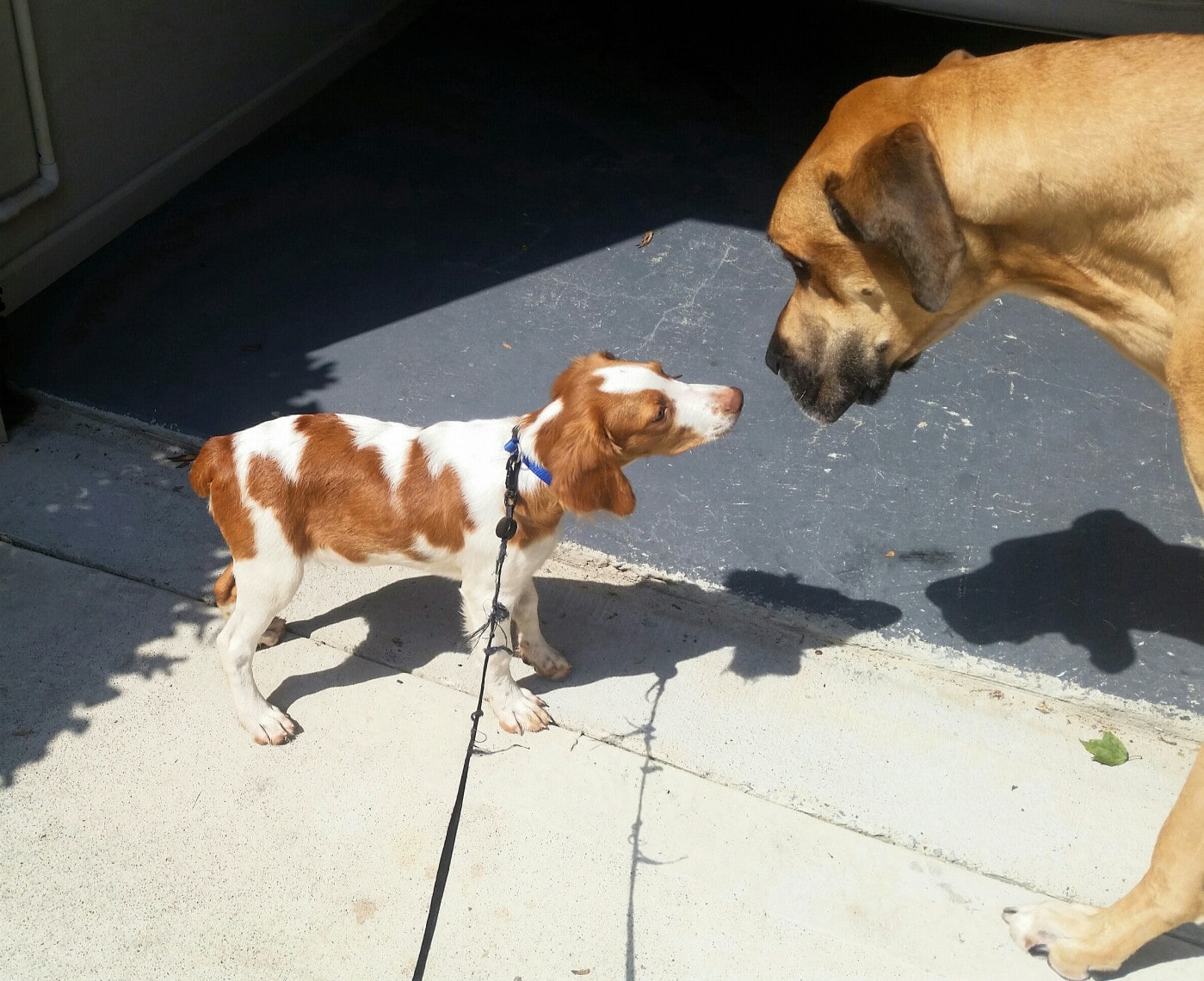
One of the first things anyone notices about a Great Dane is its size. They are one of the most giant dog breeds in existence, with some reaching up to 200 pounds. Their size alone can be an effective deterrent against potential intruders. Alongside their size, Great Danes have a muscular build, which adds to their intimidating presence.

However, their impressive size is for more than just show. It also gives them a physical advantage when it comes to guarding. Their height allows them a good vantage point to survey their surroundings, and their strength can be a formidable force if needed.
But their deep, booming bark makes a Great Dane stand out. It's loud enough to alert homeowners of any suspicious activity and potentially scare away anyone with bad intentions.
Temperament: Gentle Giants with a Loyal Heart
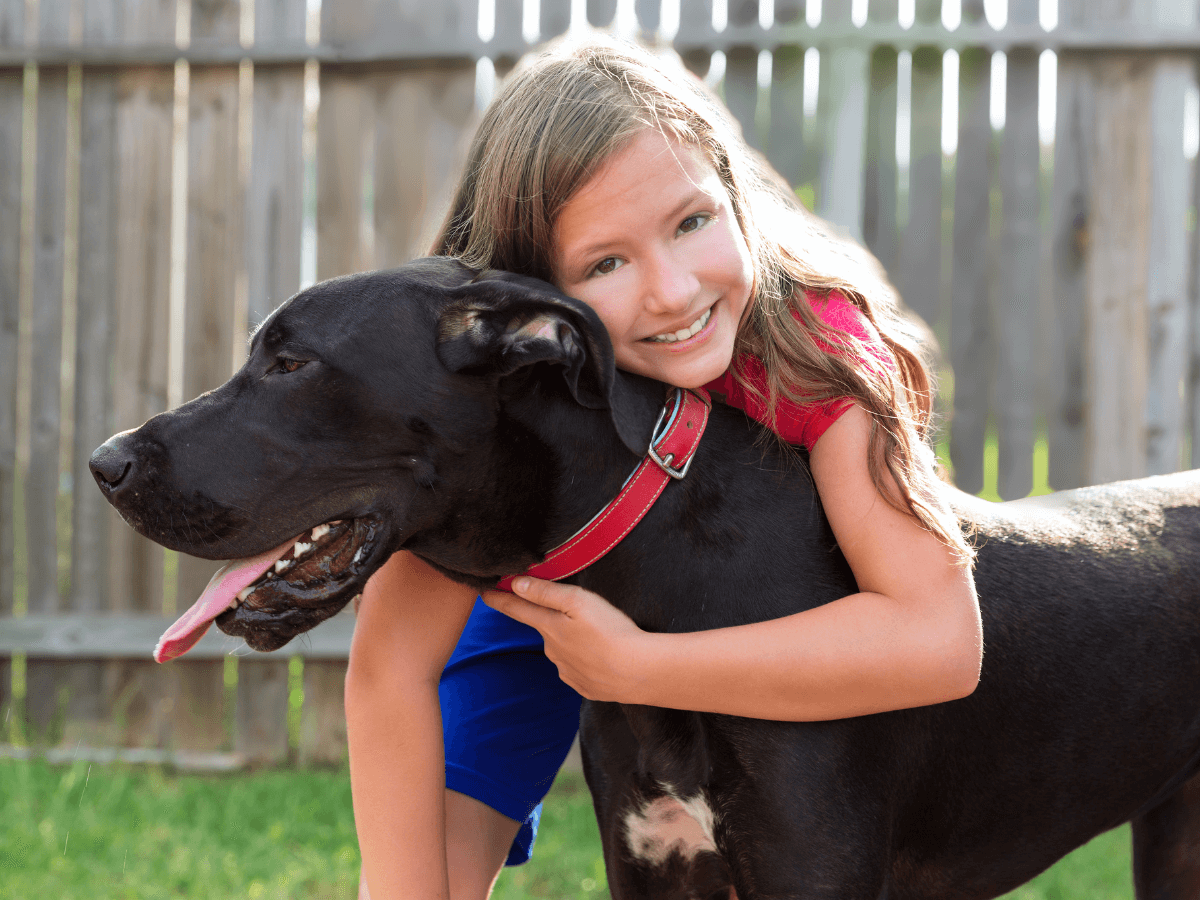
While Great Danes have the physical attributes of a great guard dog, their temperament is also crucial. Great Danes are known for their friendly and affectionate nature. They are generally great with children and usually get along well with other animals. This gentle demeanor, however, doesn't mean they lack the protective instinct necessary for a guard dog.
Great Danes are incredibly loyal to their families and are known to be protective when the situation calls for it. Although they are not naturally aggressive, their loyalty can trigger their protective nature if they sense their family is in danger. This balance of gentleness and protectiveness can make them ideal for families looking for a guard dog that is also a loving pet.

Training: The Key to an Effective Guard Dog - An Expanded Exploration
Training is a pivotal component in shaping a Great Dane, or any dog breed for that matter, into an effective guard dog. According to various sources, including Pet Helpful, LinkedIn, WikiHow, and more, there are specific techniques and strategies that can be employed to train a dog for personal protection.
Starting Early
The training process ideally begins when the dog is still a puppy. This is the time when dogs are most receptive to learning new commands and behaviors. It's essential to socialize them properly during this stage, exposing them to different environments, people, and situations. This helps them develop confidence and reduces the likelihood of fear-based reactions as they grow older.
Basic Obedience Training
Before introducing guard-specific commands, a dog should have a strong foundation of basic obedience training. This includes commands such as "sit," "stay," "come," and "leave it." A dog that does not obey basic commands is unlikely to follow more advanced instructions.
Guard-Specific Commands
You can move on to guard-specific commands once a dog has mastered basic commands. One of the key skills for a guard dog is to bark on command. This can be done by teaching your dog to "speak" when prompted. For Great Danes, with their deep and resonant bark, this can serve as a significant deterrent to potential intruders.
Another important command is "quiet" or "enough". After your dog has alerted you to a potential threat by barking, it's important that they stop barking when told to do so. This allows you to assess the situation without the added noise and confusion of continuous barking.
Protection Techniques
Training a dog for personal protection goes beyond teaching them to bark on command. It involves training them to react appropriately in different situations to protect their family. This could include teaching them to stand between their owner and a stranger or to lead an intruder away from family members.
Professional Training
While many aspects of guard dog training can be done at home, professional training can also be beneficial, especially for more advanced protection techniques. Professional trainers have the experience and knowledge to train dogs effectively and safely. They can also help address any behavioral issues that may arise during the training process.
Remember, training should never encourage aggression but rather controlled protectiveness. Positive reinforcement is the most effective method of training for Great Danes, as they respond well to rewards and praise. Consistency and patience are also crucial, as training should start from a young age and continue throughout their life.

Health Considerations: Lifespan and Potential Issues
Before choosing a Great Dane as a guard dog, it's important to consider their health and lifespan. Like many large breeds, Great Danes have a shorter lifespan than smaller breeds, often living only 7-10 years. They are also prone to certain health issues such as hip dysplasia, heart disease, and bloat.
These health considerations could impact their longevity and effectiveness as guard dogs. Regular vet check-ups, a healthy diet, and regular exercise can help manage these health risks and keep your Great Dane in good shape.
The Verdict: Do Great Danes Make Good Guard Dogs?
So, do Great Danes make good guard dogs? The answer isn't straightforward. They certainly have the physical attributes and the potential temperament to make excellent guard dogs. Their size, strength, and loud bark can deter potential intruders, and their loyalty can trigger protective behavior when necessary.
However, their gentle nature means they are not naturally aggressive, which may not make them suitable for all guard dog roles. Their health considerations and shorter lifespan may also be factors to consider.
In the end, whether a Great Dane would make a good guard dog for you depends on your specific needs and circumstances. If you're looking for a loyal, friendly, and protective companion who can also serve as a deterrent, a Great Dane might be the right choice for you. However, if you require a more naturally aggressive breed or one with a longer lifespan, consider other options.
Remember, every dog is an individual, and there can be variations even within breeds. Spend time getting to know the dog, understand their personality, and consider professional advice before making a decision. After all, a guard dog isn't just a security system; it's a member of the family.