Think Twice Before Using a Dog Backpack: Safety Concerns Every Dog Parent Should Know
Get Your Dog Out of That Backpack (And Onto the Ground!)
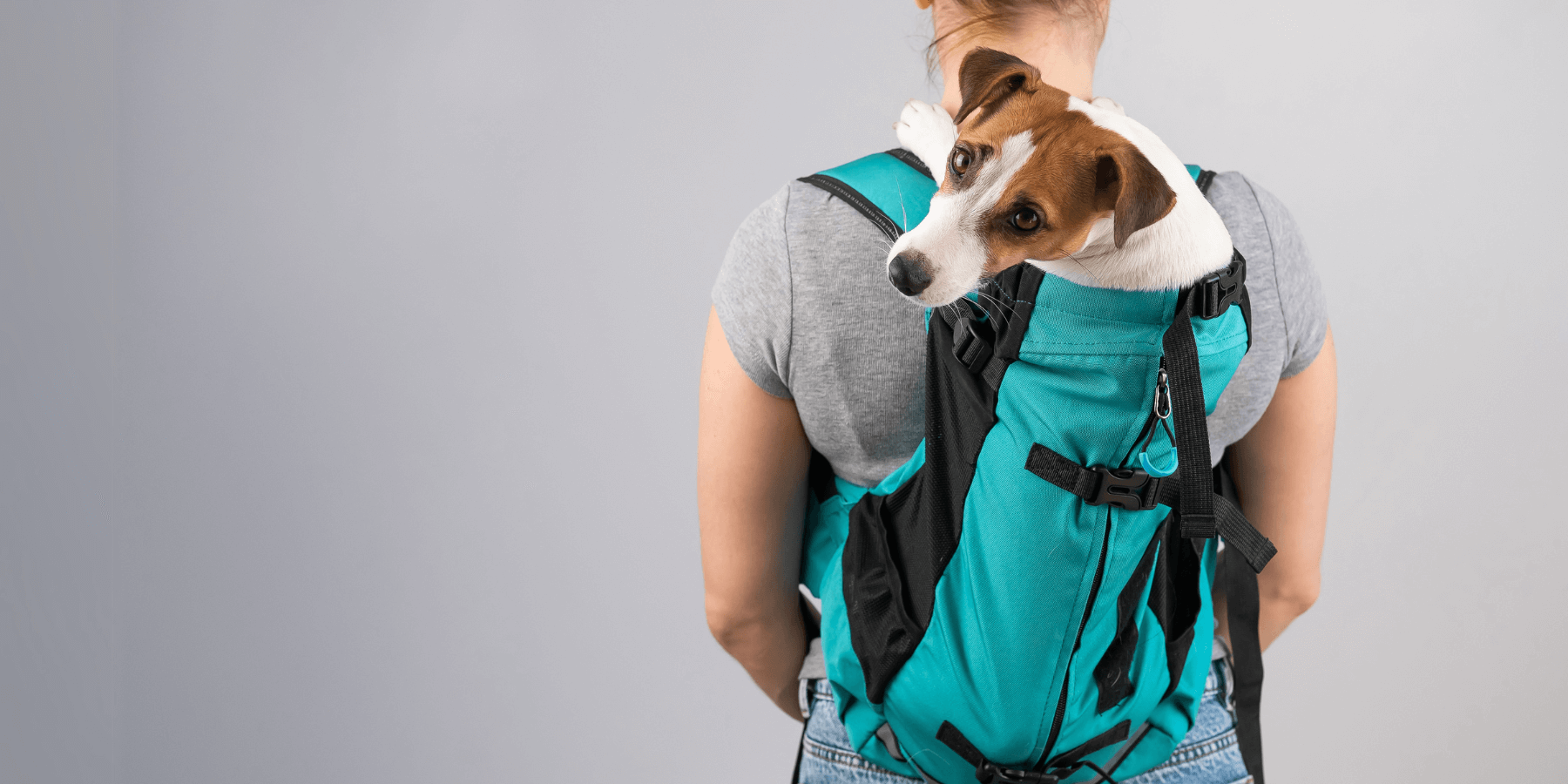
Carrying dogs in backpacks has become a viral trend on social media, but it raises serious dog backpack safety concerns, and risks. While it might seem cute or convenient, putting dogs in vertical backpacks can cause severe health problems. This practice is especially risky for dog breeds prone to back problems or those with sensitive spines.
Dogs are not anatomically designed to sit upright like humans, yet many of these trendy backpacks force them into a vertical position. Over time, this can put dangerous strain on the spine, hips, and joints, leading to long-term health issues.
Social Media's Role in This Dangerous Trend
It’s clear that much of this trend is fueled by social media virality. People post videos of dogs in backpacks to get laughs, shock value, and followers. Unfortunately, many pet owners don’t consider the long-term health consequences and the pets are the ones who suffer.
Social media algorithms reward attention-grabbing stunts, encouraging more extreme and ridiculous videos. But at what cost? Just because it gets views doesn’t mean it’s safe or even remotely acceptable.
Big Dogs in Backpacks: Why They Are a Bad Idea
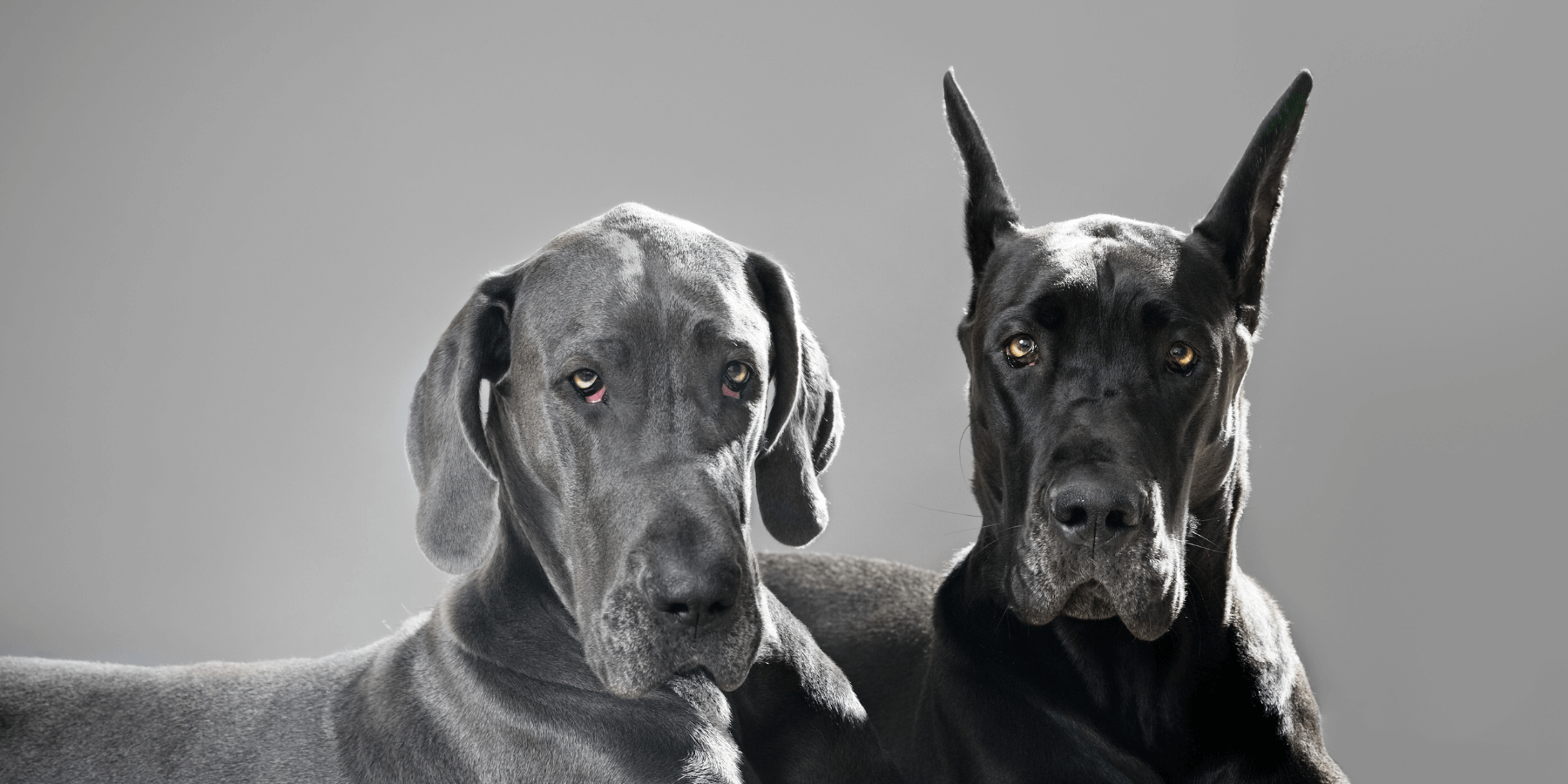
It’s one thing to see a Chihuahua or a Toy Poodle in a backpack, but recently, large and even giant dog breeds are being stuffed into these carriers for the sake of internet fame. From Labradors to even Great Danes, social media feeds are flooded with videos of large dogs crammed into backpacks, earning views, likes, and viral status.
While these videos might seem funny or “impressive,” carrying large or giant breeds in backpacks is extremely dangerous and completely inappropriate. I honestly cannot wait for this trend to end!
 The Risks of Backpacking Big Dogs
- Severe Spinal Compression: Large and giant breeds like Retrievers, Shepherds, and even Great Danes have long spines that are designed to function horizontally, not vertically. Forced into a sitting position in a backpack, their spinal compression becomes extreme, causing painful pressure on their lower back and hips.
- Weight Imbalance: Even if a giant breed fits (somehow) into a backpack, the uneven weight distribution is a major concern. Most of these bags lack proper orthopedic support. This can cause spinal misalignment, hip dysplasia, and ligament injuries over time.
- Joint and Muscle Damage: Big dogs are prone to conditions like arthritis, hip dysplasia, and IVDD (Intervertebral Disc Disease). Forcing them into a cramped sitting position puts direct pressure on sensitive joints and muscles, worsening these conditions.
- Circulation Problems: Squished into these carriers, circulation to their legs can be cut off due to the awkward sitting position, leading to numbness, tingling, and nerve damage.
- Emotional Stress and Anxiety: Many dogs become anxious, stressed, or even fearful when confined in a tight space where they can’t move freely. This can cause long-term behavioral issues.
Why Dogs Aren’t Built for Backpacks
Dogs are anatomically designed to stand on four legs, with their spines aligned horizontally, not vertically. Their bodies rely on a balanced, weight-distributing posture that supports their muscles, joints, and internal organs.

The Medical Reality of Forcing Dogs Into Unnatural Positions
While specific studies on dog backpack safety concerns related to vertical carriers are limited, veterinary research has long established that unnatural body positions can severely impact a dog's spinal health. These backpacks force dogs into upright sitting postures that compress the spine, strain the hips, and even put pressure on internal organs.
According to a study published in the American Journal of Veterinary Research, different body positions significantly affect the lumbosacral (lower back) region in dogs. The findings revealed that certain postures can reduce the space between intervertebral discs, potentially causing nerve compression and spinal discomfort.
Additionally, research from the Veterinary Anaesthesia and Analgesia Journal examined how recumbency and hindlimb positioning affect the lumbosacral space. The study concluded that unnatural body alignments could alter the interlaminar distance, possibly leading to nerve damage or mobility issues.
These findings highlight the risks associated with forcing dogs into vertical backpacks, where they’re held upright in positions their bodies were never meant to maintain. Canine neurologists and orthopedic specialists strongly advise against these backpacks due to the potential for long-term back and joint injuries. Preserving natural body alignment is critical for protecting your dog’s spinal health.
The Serious Risk of IVDD from Dog Backpacks
Putting a dog inside a vertical backpack is far more than just uncomfortable, it can be downright dangerous. The unnatural vertical position forces the dog’s spine into an upright posture that compresses the vertebrae, causing significant strain on the back, hips, and internal organs.
Breeds at High Risk for IVDD
- Dachshunds: Long backs make them the most commonly affected breed.
- Corgis: Short legs and long torsos increase IVDD risk.
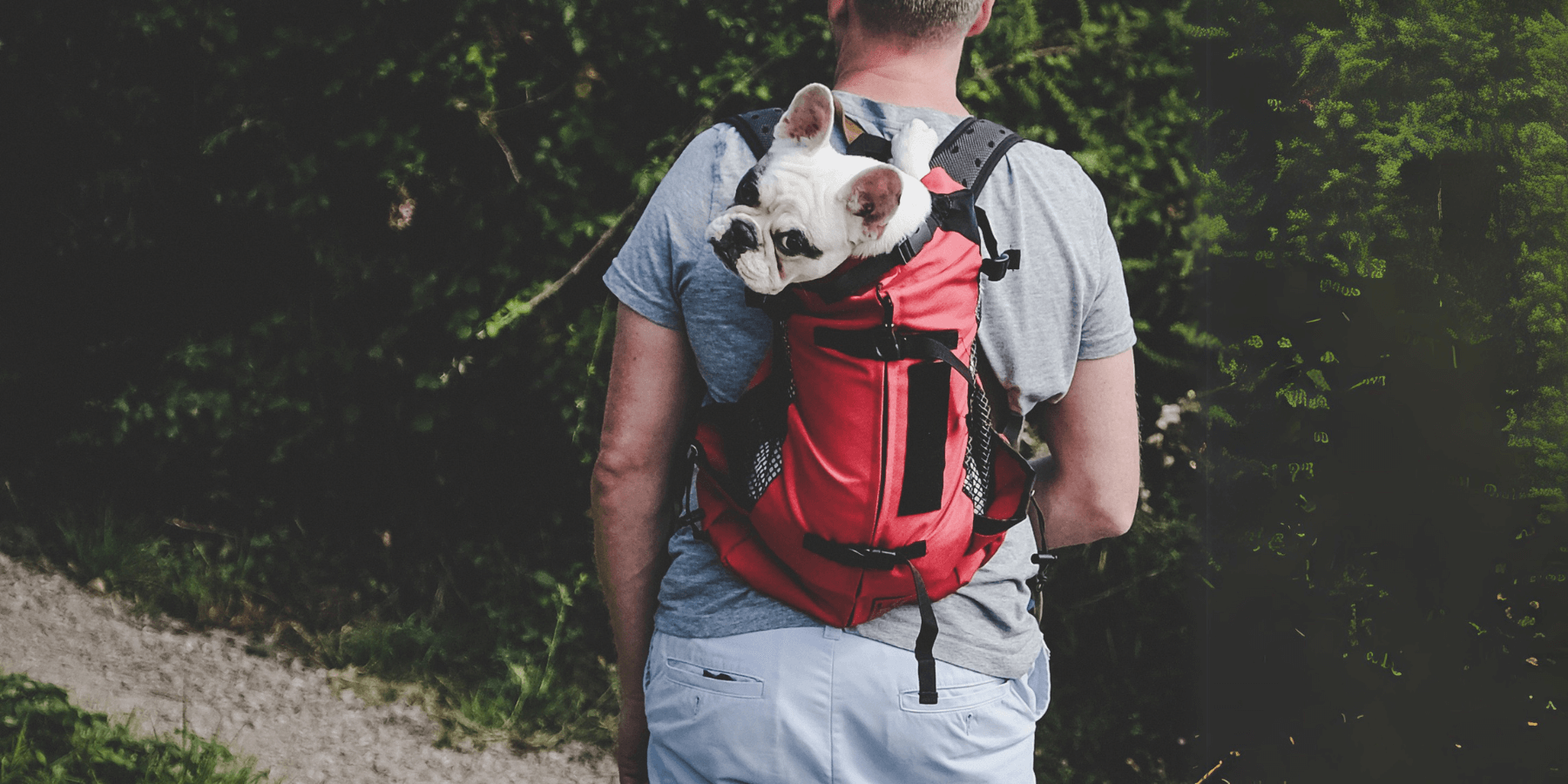
- French Bulldogs & Pugs: Stocky builds put extra pressure on their spines.
- Shih Tzus & Lhasa Apsos: Prone to back problems due to bone structure.
- Overweight or Senior Dogs: Extra weight raises the risk of spinal injuries.
When Is a Dog Backpack Acceptable?
While vertical dog backpacks are generally not recommended, there are limited scenarios where using a dog backpack might be appropriate:
- Emergency Situations: Injured dogs may need to be carried over long distances if no other transportation is available.
- Medical Necessity: If a veterinarian explicitly approves backpack use for a specific condition where mobility needs to be restricted temporarily.
- Small Dog Safety: In rare cases where terrain or conditions are unsafe for small dogs to walk, such as crowded events or rough hiking paths.
Even in these cases, backpacks should be designed with horizontal support and used for short durations only to address dog backpack safety concerns. Always consult a veterinarian if you're unsure about the best transport options for your pet.
Alternatives to Vertical Backpacks
- Dog Strollers: Great for elderly or injured dogs needing mobility support.
- Dog Wagons: Provide space and comfort for larger dogs or multiple small dogs.
- Soft-Sided Carriers: Designed for horizontal support to keep your dog’s spine in a natural position.
- Hands-Free Dog Slings: Ideal for short-term carrying of small dogs while maintaining posture.
In Summary
While vertical dog backpacks may be all the rage on social media, they pose real, long-term dangers, especially for dogs prone to IVDD, joint issues, and spinal injuries. Dog backpack safety concerns should always come first. Avoid this practice unless absolutely necessary. Choose safer alternatives that support their spine and joints.
Curious about powerful dog breeds? Check out our blog on the Top Ten Dog Bite Forces and discover which canine jaws pack the most punch!