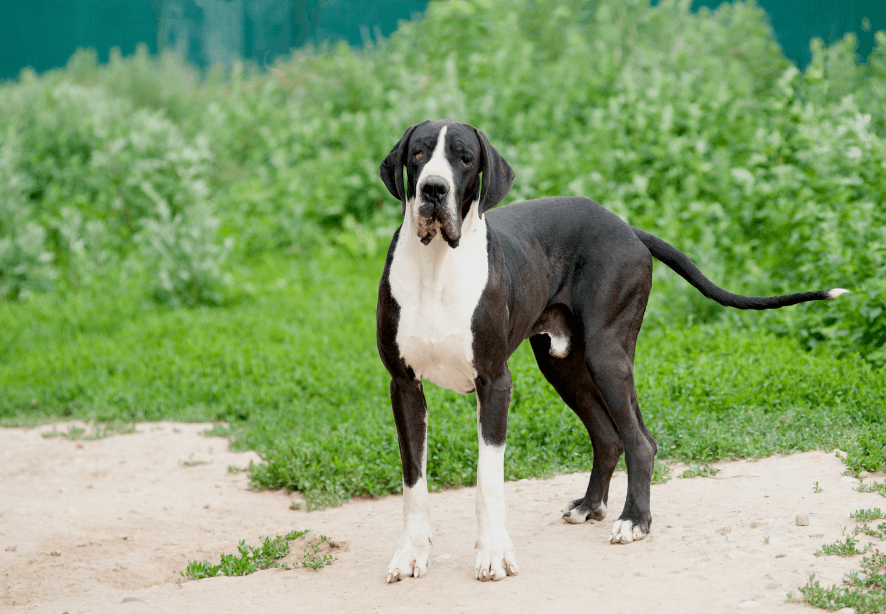
Great Dane Cropped Ears | What's Behind This Fierce Look
Great Dane Cropped Ears: History, Care, and Legal Considerations
Introduction
If you’ve ever seen a Great Dane with tall, pointed ears and wondered, “Why do they look like that?” you’re not alone! Great Dane cropped ears are a topic of much curiosity and debate among dog lovers. This blog dives into the history of ear cropping, why breed preservationists still crop, how to care for cropped ears, and where the practice is legal or banned globally.
The History of Ear Cropping
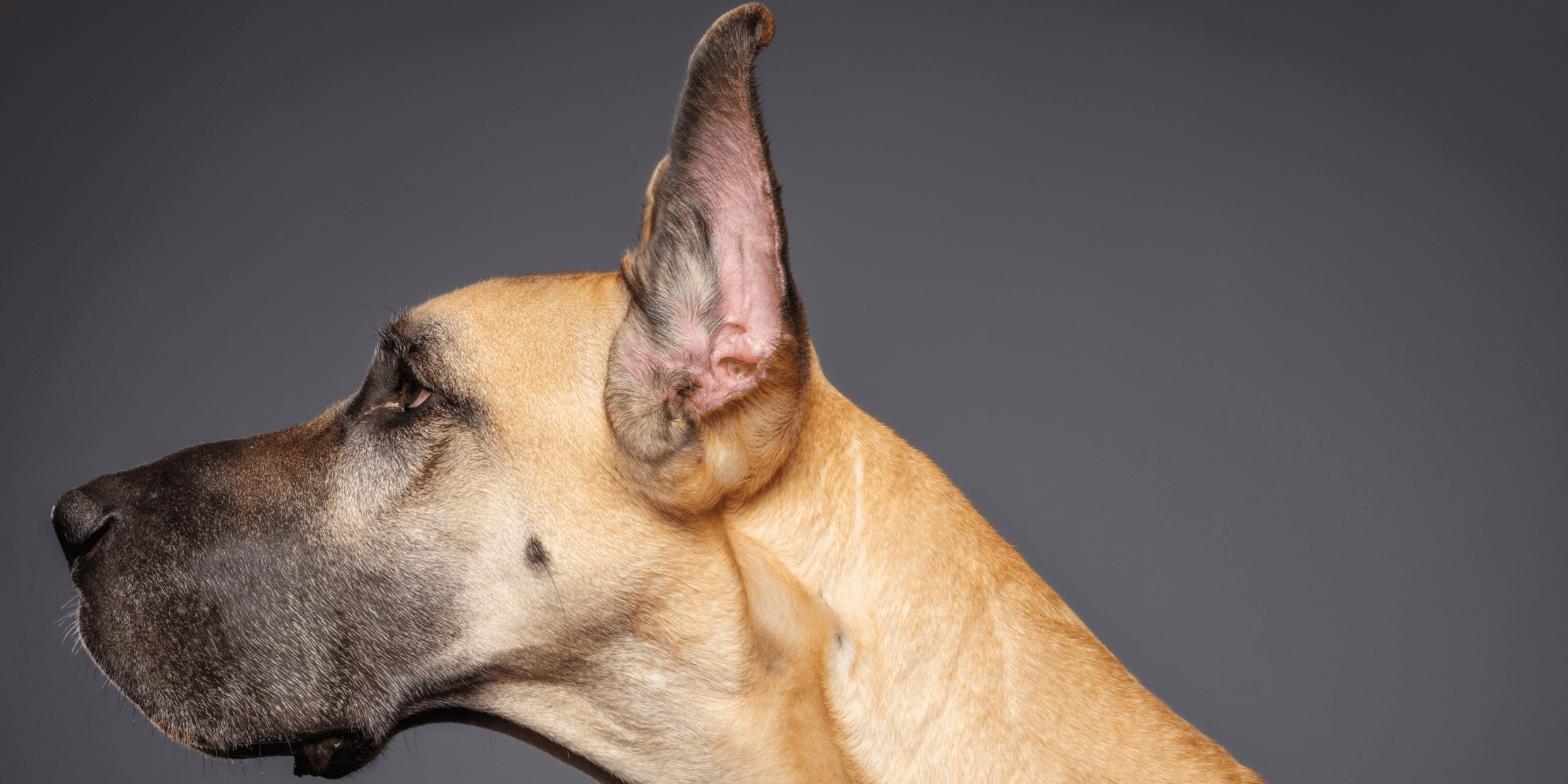
Ear cropping has been around for centuries. Historically, Great Danes were bred to hunt wild boar, a dangerous job that put them at risk of ear injuries. Cropping reduced the chance of ear tears and infections in the field.
While hunting is now rare, cropping has remained a breed standard, particularly in the show ring. Some dog enthusiasts view it as a traditional look that preserves the breed’s historical appearance.
Why Breed Preservationists Still Crop Ears
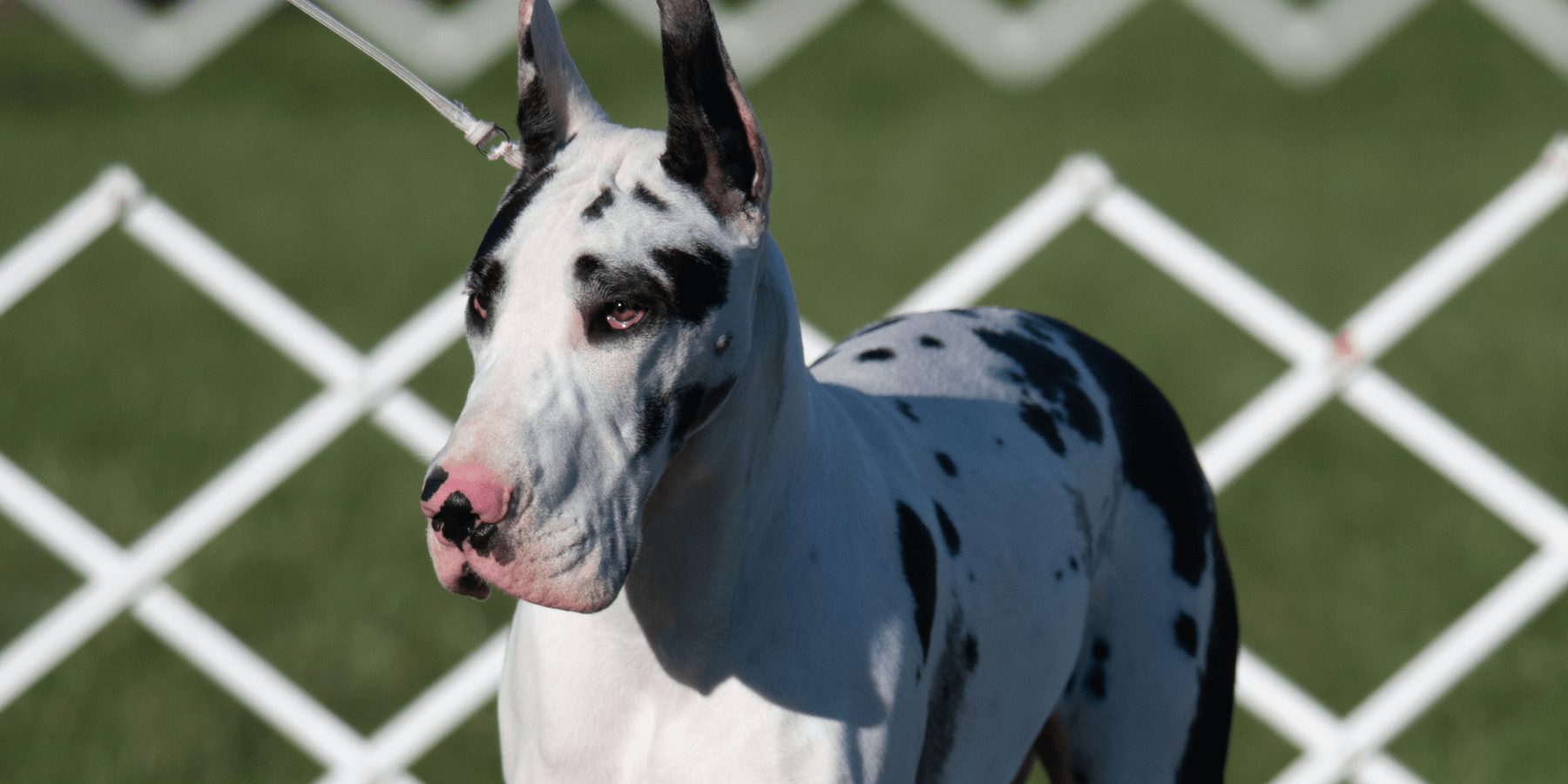
Despite ongoing controversy, breed preservationists continue ear cropping to maintain the Great Dane's classic silhouette, especially in conformation shows. In these circles, cropped ears are essential for showcasing the breed’s historical and physical characteristics as defined by organizations like the American Kennel Club (AKC).
Breed preservationists argue that maintaining traditional features is vital for protecting the breed's heritage and standard. They believe that ear cropping is not just cosmetic but a way of preserving the breed’s original working-dog appearance.
Cropped Ears vs. Natural Ears: Pros and Cons
- Pros of Cropped Ears:
- Preserves the breed’s historical appearance
- May reduce the risk of ear infections
- Meets conformation show standards
- Cons of Cropped Ears:
- It’s a surgical procedure with inherent risks
- Recovery involves extensive aftercare
- Some countries ban the practice for ethical reasons
Legal Status of Ear Cropping Worldwide
The legality of ear cropping varies significantly across the globe due to cultural, ethical, and legislative differences.

Countries Where Ear Cropping Is Banned
- United Kingdom: Illegal under the Animal Welfare Act. The UK Kennel Club prohibits cropped dogs from competing in shows.
- Germany: The Animal Welfare Law bans ear cropping and tail docking.
- Australia: Banned nationwide by the Royal Society for the Prevention of Cruelty to Animals (RSPCA).
- European Union: Most EU countries have ratified the European Convention for the Protection of Pet Animals, banning ear cropping.
Countries Where Ear Cropping Is Legal or Restricted
- United States: Legal and supported by the American Kennel Club (AKC) for specific breeds. Some states impose restrictions or require licensed veterinarians to perform the procedure.
- Canada: There’s no federal law banning cosmetic surgeries on pets, though several provinces have enacted bans on ear cropping and tail docking.

Ethical Considerations
Ear cropping raises ethical concerns, particularly among veterinary and animal rights organizations. Critics argue that it’s an unnecessary and painful procedure done solely for appearance. On the other hand, breed preservationists and show enthusiasts see it as essential for maintaining the breed’s historical and traditional appearance.
All in all...
Great Dane cropped ears are more than just a cosmetic choice, they represent centuries of history, tradition, and breed preservation. At the end of the day, what matters most is making an informed decision that works for you and your dog.