How to Travel With Your Dog Even If Your Dog Gets Car Sick
Traveling with your dog can be an exciting adventure, but what happens when your dog gets car sick? Nausea, drooling, and even vomiting can turn a fun trip into a stressful experience for both you and your pup. Don’t worry-there are effective ways to help your dog overcome motion sickness and enjoy the ride. Here’s a step-by-step guide to ensure smooth travels, even if your dog gets car sick.
Why Do Dogs Get Car Sick?
Motion sickness is more common in younger dogs because their inner ear, which helps with balance, isn’t fully developed yet. However, even adult dogs can experience it due to stress, anxiety, or negative associations with car rides.
Common Signs Your Dog Gets Car Sick:
- Excessive drooling
- Whining or restlessness
- Vomiting
- Lethargy or reluctance to get in the car
- Yawning or lip licking
Understanding the cause of your dog’s motion sickness is the first step toward solving it. Some dogs get sick purely from physical motion, while others experience it as a symptom of car-related anxiety.
Strategies to Help Your Dog Overcome Motion Sickness
1. Start With Short Practice Trips
If your dog gets car sick, start by taking short, stress-free rides around the block. Gradually increase the duration of the trips as they become more comfortable. Pair these trips with positive experiences, like a visit to the park or a treat, so they start to associate car rides with fun.
2. Use a Crate or Dog Seat
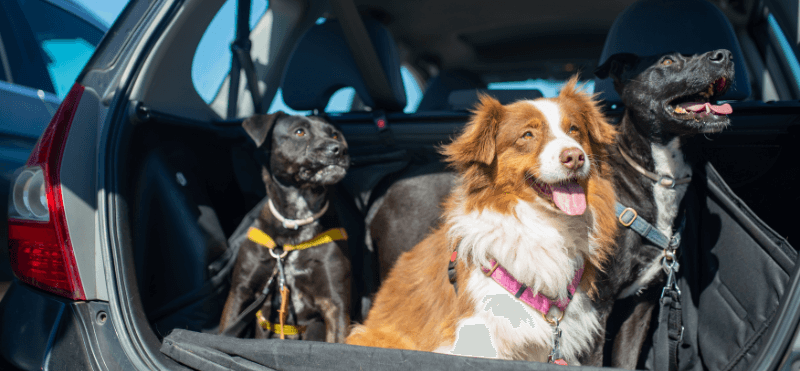
Crate training is an excellent way to reduce motion sickness. Dogs feel safer in a secure, enclosed space. A crate or dog car seat keeps them stable and prevents excessive movement, which can trigger nausea.
Pro Tip: Place the crate in the middle seat where there’s less motion and your dog can see out the window.
3. Avoid Feeding Before the Ride
An empty stomach can minimize the chances of vomiting. Avoid feeding your dog for 3-4 hours before the trip. However, make sure they’re hydrated and have access to fresh water.
4. Provide Ventilation
Good airflow can make a huge difference when your dog gets car sick. Crack the windows slightly to allow fresh air to circulate. This helps reduce nausea and keeps your dog more comfortable.
Behavioral Solutions for Nervous Dogs
If your dog’s car sickness is tied to anxiety, addressing their fears is crucial. Here’s how:
- Desensitization Training: Gradually introduce your dog to the car. Start by sitting in the car with the engine off and rewarding calm behavior. Progress to short trips as they become more comfortable.
- Comfort Items: Bring along a favorite toy or blanket that smells like home to create a sense of familiarity.
- Calming Aids: Consider using a calming collar, spray, or CBD products to reduce anxiety.

Positive Reinforcement is Key:
Always reward calm behavior in the car. For example, if your dog lies down quietly during a trip, offer a treat or soothing praise. This teaches them that car rides can be a positive experience.
Medical Options for Severe Cases
If behavioral strategies aren’t enough and your dog gets car sick frequently, consult your veterinarian about medical solutions. Ask your vet to call in an Rx at 1800PetMeds to save money. Common options include:
- Cerenia: A prescription medication specifically for dogs to prevent vomiting caused by motion sickness.
- Benadryl: Can help with both motion sickness and anxiety (always consult your vet for proper dosage).
- Natural Remedies: Ginger has been known to help with nausea; look for dog-friendly ginger chews or treats.

When to Call the Vet:
If your dog’s motion sickness persists despite trying these methods, it’s time to consult your vet for personalized advice. Chronic car sickness can sometimes indicate underlying health issues.
The Role of the Driver
Believe it or not, your driving habits can impact whether your dog gets car sick. Abrupt stops, sharp turns, and excessive speeding can exacerbate motion sickness. Drive smoothly and avoid sudden movements to make the ride more comfortable for your dog.

Extra Tips for Long Trips
If you’re embarking on a longer journey, consider these additional tips:
- Frequent Breaks: Stop every 1-2 hours to let your dog stretch, use the bathroom, and get some fresh air.
- Non-Slip Mats: If your dog isn’t in a crate, place a non-slip mat on the seat to keep them stable.
- Limit Visual Stimulation: If motion triggers nausea, covering the sides of the crate can help block outside movement.
- Plan Your Route: Avoid bumpy or winding roads that can make nausea worse.
A Quick Checklist for Smooth Travels
Use this checklist to prepare for your next trip with your dog:
- Avoid feeding your dog for at least 3-4 hours before the ride.
- Use a crate or dog seat to keep them secure.
- Crack the windows for ventilation.
- Bring along comfort items like their favorite toy or blanket.
- Drive smoothly to minimize unnecessary motion.
- Reward calm behavior during and after the ride.
Planning a trip but worried about your dog’s car sickness? Once you’ve mastered these tips, why not take your dog to the ultimate dog-friendly vacation destination? Check out our blog, This Hidden Gem Vacation Spot Is the Ultimate Dog Friendly Vacation, and discover a perfect getaway that both you and your dog will love. From pet-friendly hiking trails to cozy accommodations, it’s the ideal spot to create unforgettable memories with your dog!
Final Thoughts
Traveling with your pup doesn’t have to be a struggle, even if your dog gets car sick. With the right preparation, patience, and techniques, you can help your dog feel comfortable and even enjoy car rides.
Whether it’s short trips to the park or long road trips, implementing these strategies will set you and your dog up for success. Motion sickness doesn’t have to limit your adventures, your dog can become a happy traveler with just a little effort. So, buckle up, roll down the windows, and hit the road with confidence!