How to Socialize Your Puppy Like an Expert
Socializing your puppy is one of the most important steps in raising a well-adjusted, confident dog. Exposing your puppy to new people, dogs, and environments can help prevent fear, anxiety, and behavioral issues later in life. However, socialization isn’t just about exposure—it’s about calm, controlled exposure. Letting your puppy get overly excited during socialization can backfire, creating a new set of challenges. Let’s dive into this step-by-step guide on how to socialize your puppy like an expert.
Why Calm Socialization Matters
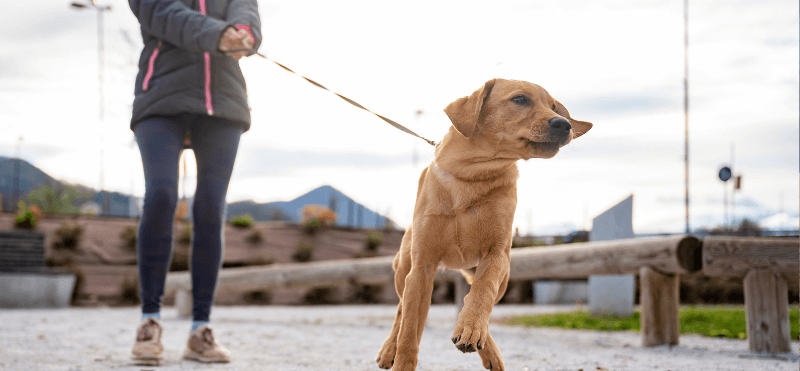
When it comes to how to socialize your puppy, calmness is key. Picture this: You take your puppy to the dog park, and the moment you unclip their leash, they’re dragging you to the gate, barking excitedly, or jumping on strangers. While enthusiasm might seem like a sign of happiness, unchecked excitement during socialization teaches your dog that over-the-top energy is acceptable in public settings.
Dogs that aren’t taught calmness during socialization are more likely to:
- Drag you on walks.
- Jump on people, seeking attention.
- Bark excessively at other dogs or humans.
- Struggle to settle down in stimulating environments.
The goal of socialization is confidence, not chaos. Keeping interactions calm teaches your dog to respond positively without being overwhelmed or overexcited. Learning how to socialize your puppy correctly ensures that your dog is well-mannered in all situations.
Step 1: Start Small and Controlled
The first step in learning how to socialize your puppy is starting in a low-distraction environment where they can focus on you. Begin in a low-distraction environment where your puppy can focus on you. A quiet backyard or a local park during non-peak hours is a great starting point. Introduce them to one or two new experiences at a time, such as:
- Meeting a calm adult dog.
- Greeting one or two strangers.
- Walking on a new surface (e.g., gravel, grass, concrete).
Reward your puppy with treats or praise for staying calm and focused during these introductions.

Step 2: Teach Calm Behavior Before Socializing
Before heading to a dog park or a busy area, teach your puppy basic commands like sit, stay, and leave it. This step is crucial for understanding how to socialize your puppy without letting them become overly excited. These commands will give you control in more stimulating environments.
For example:
- If your puppy starts to pull toward the dog park gate, stop walking. Wait for them to calm down and focus on you before proceeding.
- Reward calm behavior with a treat or a “good job,” then continue walking.
By teaching that calmness leads to rewards, your puppy will learn that pulling or jumping doesn’t get them what they want.
Step 3: Gradually Increase Exposure
Once your puppy can remain calm in low-distraction environments, slowly increase the level of stimulation. This is a key part of learning how to socialize your puppy in real-world situations. For example:
- Walk past a playground or a group of children playing.
- Introduce them to a friendly dog while on a leash.
- Visit a pet-friendly café and have them lie quietly by your side.
During these experiences, watch for signs of overstimulation, such as whining, barking, or pulling. If your puppy becomes overly excited, take a step back and let them reset.
Step 4: Monitor Body Language
Your puppy’s body language can tell you whether they’re feeling confident, scared, or overstimulated. A big part of understanding how to socialize your puppy is learning to read their body language. Signs of calm, positive socialization include:
- A relaxed tail wag.
- Loose body posture.
- Soft eyes and a curious demeanor.
Signs of overstimulation include:
- Pulling on the leash.
- Jumping or barking excessively.
- Ears pinned back or wide eyes.
If your puppy seems overwhelmed, remove them from the situation and give them time to decompress.
Step 5: Practice Calm Greetings
When introducing your puppy to people, teach them to sit politely before being petted. Letting your dog jump on strangers during greetings only reinforces the behavior, making it harder to break as they grow. Using the right tools can make all the difference when figuring out how to socialize your puppy.
Tips for calm greetings:
- Have your puppy sit before meeting someone new.
- Ask the person not to pet your dog until they are calm.
- Reward your puppy immediately for staying seated.
Step 6: Socializing with Other Dogs
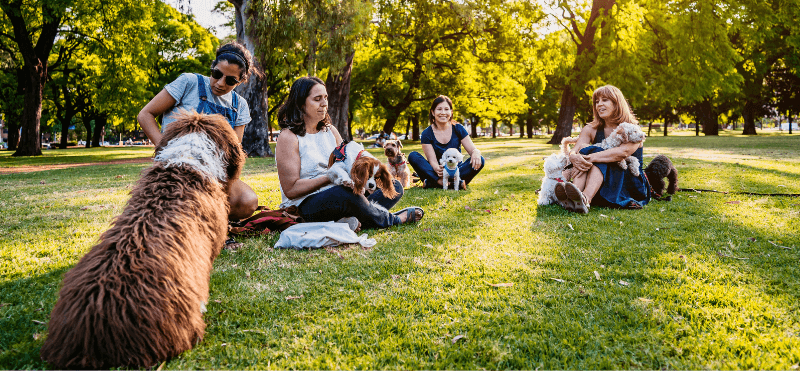
Socializing with other dogs is a key part of how to socialize your puppy, but it doesn’t mean letting them run wild at the dog park. Instead, focus on supervised play with well-behaved, calm dogs. This helps your puppy learn appropriate play behavior without becoming overwhelmed.
Rules for successful dog interactions:
- Start with one-on-one playdates in a fenced yard or quiet area.
- Avoid letting your puppy play with overly rough or aggressive dogs.
- Interrupt play if it gets too intense and redirect your puppy to calm behavior.
Step 7: Socialization Tools
Using the right tools can make socialization easier and more effective:
- Calming Collars or Sprays: Help keep your puppy relaxed in stimulating environments.
- Treat Pouches: Make training sessions easier by keeping rewards handy.
- Harnesses with Front Clips: Offer better control for puppies prone to pulling.
- Interactive Toys: Provide a distraction in overwhelming situations.
Step 8: Socialization Checklist
To keep your puppy’s socialization on track, follow this simple checklist:
- Introduce 1-2 new experiences weekly.
- Practice polite greetings with at least three new people each week.
- Schedule weekly playdates with a calm, well-socialized dog.
- Reward calm behavior immediately using high-value treats.
- Gradually increase exposure to busier or noisier environments as your puppy becomes more confident.
This checklist ensures you’re taking consistent steps to learn how to socialize your puppy effectively.
Final Thoughts
Socializing your puppy is about teaching them how to navigate the world confidently and calmly. Now that you know how to socialize your puppy like an expert, it’s time to put these tips into practice. By focusing on calm socialization, you’re setting the foundation for a well-behaved adult dog who can handle any situation without being overwhelmed. Remember, the goal isn’t just exposure, it’s teaching your puppy that good behavior and calmness lead to positive experiences. With patience, consistency, and this expert approach, your puppy will thrive in any environment.