Dog Anxiety: Dog Went From Howling at Night to Sleeping Soundly in 7 Days
Dealing with a dog that howls, whines, or paces at night can be stressful for both you and your pet. Nighttime disturbances often stem from dog anxiety, which can be caused by separation, environmental changes, or unspent energy. The good news? With a little patience and the right approach, you can help your dog go from restless to restful in just seven days.

Understanding Nighttime Dog Anxiety
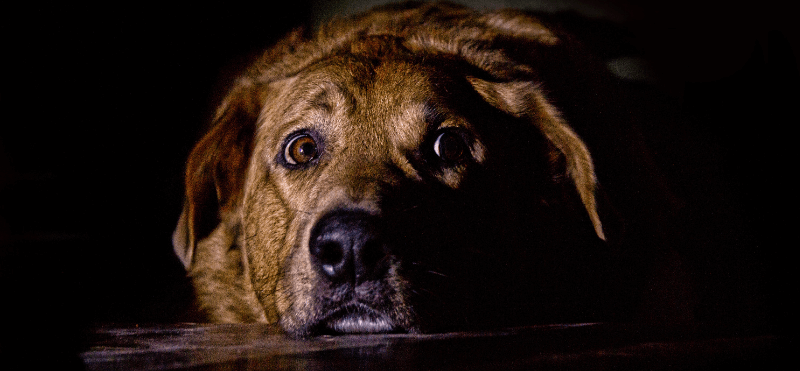
Dog anxiety at night often manifests as excessive barking, howling, pacing, or even destructive behavior. It’s not always about bad habits, your dog may be experiencing genuine stress or discomfort. Some common causes include:
- Separation Anxiety: Dogs that are overly attached to their owners may feel abandoned at night.
- Noise Sensitivity: Noises like wind, traffic, or distant fireworks can trigger anxiety.
- Discomfort or Pain: An uncomfortable sleeping area or underlying health issue may be keeping your dog awake.
- Pent-Up Energy: Lack of exercise during the day can make it hard for your dog to settle down.
Day 1: Rule Out Health Problems
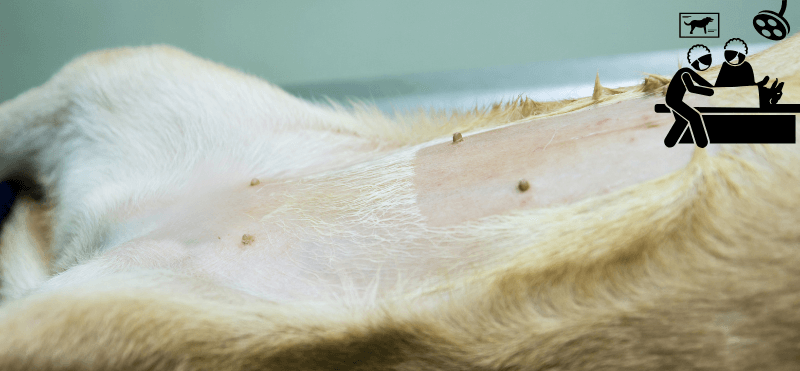
Before tackling dog anxiety, it’s essential to ensure there are no underlying health issues. Common problems that can cause nighttime restlessness include:
- Arthritis or Joint Pain: Dogs with arthritis may struggle to find a comfortable sleeping position, especially in cold weather.
- Digestive Upset: Feeding your dog too close to bedtime can cause discomfort, making it hard for them to relax.
- Urinary Tract Issues: Increased urination or bladder discomfort can lead to frequent wake-ups at night.
- Neurological Problems: Conditions like cognitive dysfunction in older dogs can cause confusion and restlessness.
If your dog exhibits symptoms like excessive licking, limping, or frequent bathroom breaks, consult your vet immediately.
Day 2: Create a Safe, Cozy Sleeping Area
Dogs with dog anxiety feel more secure when they have a designated space to sleep. Setting up a cozy sleeping area is more than just a comfort, it’s a way to reduce stress.
Why It Matters
A comfortable sleeping environment mimics the den-like space that dogs instinctively seek. This helps lower cortisol levels and encourages restful sleep.
How to Create It
- Choose the Right Bed: Orthopedic beds are ideal for larger breeds or senior dogs with joint pain.
- Add Familiar Scents: Use blankets or items with your scent to provide comfort and familiarity.
- Control the Environment: Use blackout curtains to reduce visual stimulation and play calming sounds to drown out external noises. Try our calming music playlist.
Day 3: Exercise and Mental Stimulation
A tired dog is a happy dog! One of the easiest ways to combat dog anxiety is to ensure your dog gets plenty of physical exercise and mental stimulation during the day.
- Take your dog for a long walk or run before bedtime.
- Use puzzle toys or interactive feeders to engage their brain.
- Play games like fetch or tug-of-war to burn off excess energy.
Day 4: Introduce a Calming Bedtime Routine
Routines help dogs feel secure. Establishing a consistent bedtime routine is one of the most effective ways to reduce dog anxiety at night.
Why Consistency Matters
Dogs thrive on predictability. A routine creates stability, signaling to your dog that it’s time to wind down. Inconsistent routines can heighten anxiety and make it harder for your dog to settle.
Steps to Create a Routine
- Set Regular Feeding Times: Feed your dog at the same time every evening to prevent hunger or digestive discomfort at night.
- Incorporate Relaxation: Spend a few minutes before bed petting or massaging your dog to ease tension.
- Bathroom Breaks: Always take your dog out for a bathroom break right before bedtime to avoid middle-of-the-night wake-ups.
Day 5: Consider Calming Products
For dogs with severe dog anxiety, calming products can make a big difference:
- CBD Products: CBD has been shown to help reduce stress and anxiety in dogs. Learn about HolistaPet CBD here
- Pheromone Diffusers: These emit scents that mimic natural calming pheromones, helping your dog relax.
- Weighted Blankets: Just like with humans, weighted blankets can provide comfort to dogs experiencing anxiety.
Day 6: Desensitize to Triggers
If your dog’s nighttime anxiety is caused by external triggers, such as noises or being alone, desensitization can help. Gradually expose your dog to these triggers in a controlled, positive environment to reduce their sensitivity over time.
For tailored desensitization, check out this Desensitizing Dog Sound Playlist It’s a great way to introduce your dog to common sounds in a safe, controlled way.
Day 7: Evaluate and Adjust
By the end of the week, you should notice improvements in your dog’s sleep habits. Evaluate what’s working and make adjustments as needed. Some dogs may require additional time or a combination of strategies to fully overcome dog anxiety at night.
Final Thoughts: Helping Your Dog Sleep Soundly
Nighttime anxiety can be challenging, but with a thoughtful approach, you can help your dog transition from howling at night to sleeping peacefully. Addressing dog anxiety is not only beneficial for their well-being but also improves the quality of life for your entire household.
Start with small changes, be consistent, and don’t be afraid to seek help if needed. A restful night for your dog means a restful night for you too!