Is your Great Dane shedding? Do Great Danes shed?
Dogs lose damaged and old hairs by shedding in a natural way. This is an entirely normal process. Although the amount of shedding depends on the dog breed and its health, Great Dane shedding is an important topic for owners of this giant breed. Many dogs develop a thick coat in winter to get protection from cold weather and later shed it in spring. However, Great Dane shedding tends to be more consistent throughout the year due to their short coat, although they may shed more heavily during seasonal transitions.
Dogs who are kept inside of the house or an apartment and do not go out often will shed relatively evenly all year round. For Great Dane owners, managing Great Dane shedding involves regular grooming to reduce loose hairs and keep their coat healthy. Weekly brushing is usually sufficient for this short-haired breed, but during heavier shedding periods, brushing a few times a week can help keep the fur under control. Understanding Great Dane shedding and how to handle it is essential for keeping both your dog and your home clean and comfortable

The question is do Great Danes shed? If so, how much do they really shed?
Great Danes do shed but they shed very minimally. Although Great Danes are believed to be non-shedding dogs, in reality, the shedding does occur with Great Danes even if you don’t notice it. They will surely shed some hair on a daily basis, and you will see the increased shedding in the fall and spring season.
Shedding of your dog’s fur can be frustrating for everyone. Regardless of the love for your dog, hairs everywhere can drive anyone nuts, especially if you are a clean freak (like me). 
For Great Danes and other dog breeds that have hairs, their coat is in a continuous state of renewal, and parts of the coat are always in one of three stages.
View this post on InstagramThe three stages of the dog hair growth cycle
Anagen Phase: This is a growing stage. At any given time, about 85% of the coat is growing. If the dog and his hairs are healthy, then the hairs will not break off will grow. This is a growing stage.
Telogen Phase: This is known as the resting stage. Hairs that are grown already remain at the same length. Follicles keep the hairs secured in their place.
Catagen Phase: This is the hair falling stage. Be assured that this will happen to the Great Dane dog breed.
These three cycles are the main reason that keeps your dog’s hair renewed and healthy. Imagine if your Great Dane has the same hair at three years old that he did at two months old? Surely you would not want to see that ;)
This is a natural process that each and every animal goes through. Even we, as humans, shed our hair every single day. Dogs with continuous hair growing such as Yorkshire Terriers and Poodles have a longer life span of hair shafts and shed very little. While dogs like Labrador Retrievers and Huskies have a shorter life span of hair shafts, hence they shed more than usual. The Great Dane is not considered a heavy shedder. They go through a process, and once in a while, they get replaced by new hairs.
Shedding is not a big problem for the owner of Great Dane (no pun intended), but there are some other factors that are essential to know. One thing is for sure that this breed has the cutest face out there, and their body is covered by fur. Their fur usually grows up to a length of 1/8 of an inch and then breaks off. Their shedding is categorized in the low shedding category because their hair shedding process is quite slow. Depending on the coat’s health, only about 10% to 15% remain in the Catagen Phase (hair falling stage) at any given time. This is conditional, with no other issues involved. Great Dane shedding is minimum, and it will not be overwhelming for the owner of this dog breed.
With this being said, there are other steps that you should take to remove any loose hairs. You should never leave the shedding process to work on its own. Your little steps will make a big difference. You may not be able to see the loose hairs. Just because they are hiding, it does not mean that there are no loose hairs. Since they are relatively short hairs, you might notice them at the beginning, but in the end, the hairs are going to accumulate around the house if they are not cleaned regularly. It is extremely important to remove any dead or loose hairs that are stuck inside the coat. These loose hairs will block the airflow to the skin and might be covered in body oil, which can cause them to develop a skin fungus, or smell bad. Great Dane shedding occurs twice in a year, generally in spring and fall. Normally all dogs will shed more than average in the spring season.
Most of the dog breeds have a double coat. One is an undercoat, and the other one is the topcoat. The topcoat is what you feel on touch on the outside and can see by your eyes. The undercoat consists of short and soft hairs that grow around the primary coat. LUCKILY, Great Danes only have a single coat.
Seasonal shedding happens because of the change in temperature. When the temperature drops, dogs shed their light undercoat and grow thicker coats to prevent the cold climate. Then, when the weather begins to turn warmer, they shed their thicker coat and develop a light coat that is more suitable for summers.
Not all dog’s coat goes through the same process when there is a change in temperature. Like Shih Tzus have less undercoat, so they shed less when the season changes. But, dogs like the Newfoundland have a heavy and thicker coat, and their shedding is much more obvious than Shih Tzu. Brushing is essential for both types of coats.
Other Reasons For Shedding
Seasonal shedding is not the only reason for shedding. Your dog’s health can play a significant role in shedding as well. It is always necessary to take note of unexplained shedding. Skin problems, fewer vitamins in the diet, and endocrine disease could be the reason why a dog is shedding more than usual. It can also affect the growth of your dog’s hair. Keeping track of your dog’s diet can help you to keep him fit and healthy. If you notice any abnormal shedding, then take your dog to the vet. A proper check-up might find out a few things which you are unable to see.
How to Minimize the Shedding of your Great Dane?
Obviously, you should not just rely on the shedding process to work naturally. If you leave the coat as it is, then the hairs are likely to get all over your house, car and clothing. There are some steps that you can take to help out your dog in the shedding process. These steps will not only help your dog but will be beneficial for you in the short and long term.
Two of the main steps are brushing and bathing your Great Dane regularly. Brushing will keep your dog’s fur free-flowing, and this goes with all coat types. It keeps your dog’s skin clean and free from dead hair. For this and many other reasons, you should brush your dog’s coat regularly. It is vital to brush your pups at least every three days.
What can I use to groom my shedding Great Dane?
A bristle and blade free flexible rubber tool and a wide two-level steel comb should be used for shedding your dog out. When you are done using the comb or if the coat does not require it, then you can start the process of brushing. Make sure to use a quality brush that works well and does not damage the coat or skin in any way possible. Always try to go over the entire body when brushing. We like to use a stiff bristle brush, which will be good enough for your dog. The FURminator does a wonderful job at getting beneath the short topcoat, removing undercoat and loose hair and will significantly reduce loose hair.
Bathing your Great Dane
The Catagen Phase (Shedding/Hair Falling) does not happen in a day or two. It can happen over the time of one to two weeks. Follicles will shrink slowly. Eventually, the nourishment will be blocked, and the hair shaft will be freed, causing it to drop. A certain number of hairs will be loose but not ready to fall. When you bath your Great Dane, it can release those hairs, making them falling at once instead of falling later on in different stages.
Shedding in Great Dane Puppies
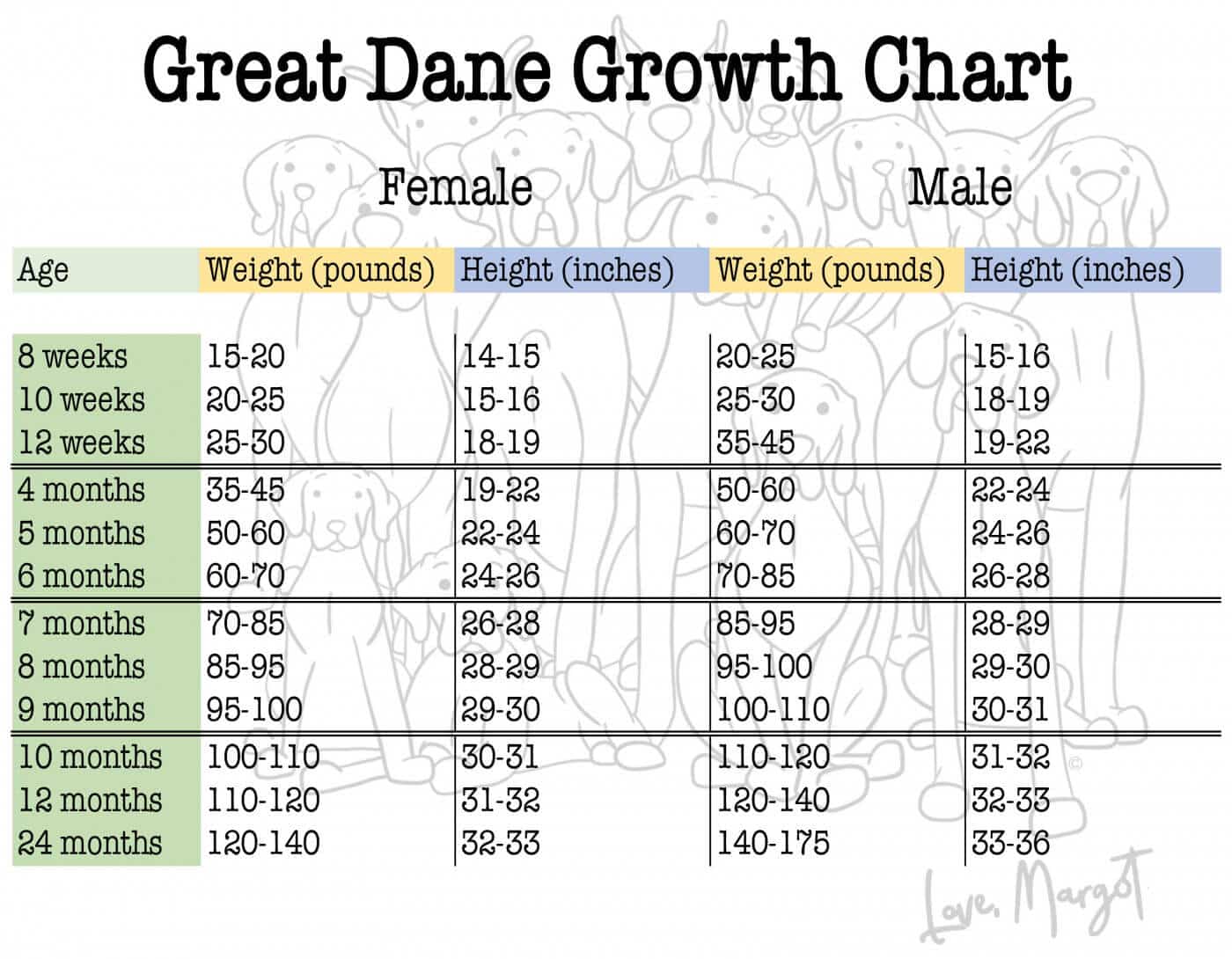
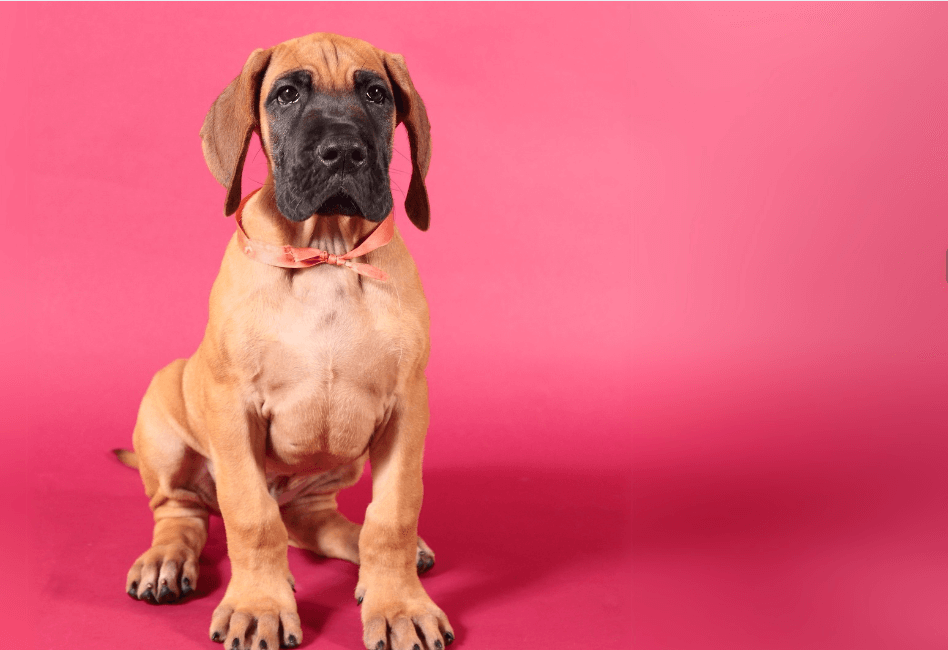
Great Dane puppies are born with a very fine single layer of coat. As time passes, primary thicker hairs will grow in, in the already present hair follicles. This is the reason why Great Dane puppies have shorter, finer and thinner coats than adult Great Danes. When you talk about shedding in Great Dane puppies, you are referring to the transition of puppy to adult. While some hairs will fall, this is the time of increased shedding in your Great Dane. This shedding starts when Great Dane is almost four months old, and by the time he reaches nine to twelve months, your Great Dane puppy will have an adult coat. Keep in mind that then the normal and seasonal shedding process will continue as described earlier. During this period, it is quite normal that your Great Dane will change the color of its coat. Newer hairs can be darker or lighter in color and markings on your dog can be increased or decreased. Especially in the Merle Great Danes.
Hormonal Shedding
Pregnancy Shedding It is quite common for a Great Dane to shed heavily right after giving birth to a litter. This shedding occurs because of the change in hormones during pregnancy. This is called "blowing their coat". The extent of this shedding can vary from dog to dog. Unless there are other issues involved, the coat of your Great Dane will grow back with time.
How to Deal With Shedding in The House?
Simply vacuuming inside the house every now and then should be enough to deal with the hairs inside of your home. However, there are some tips to deal with the hairs when they have reached hard to access areas. Cleaning hairs from the couch could be tricky as they typically are stuck in there. A simple lint roller might do the trick. Try to use a lint roller as it can easily pull the hairs from the couch. If you have an area inside of the house that is hard to reach with the broom or vacuum, then just a paper towel is what you need. Wet the paper towel and wipe the area, all the hairs will be easily stuck to the paper towel to be discarded. This trick can be used on the side of the hallways and in the corners of the house as well.
Holistic Shedding Remedies
There are some home remedies available like Melatonin, Omega 3 oil with high DHA/EPA levels, and products to restore the coat. It is best not to use any home remedy before finding out the root of the problem.
Final Thoughts - Great Danes are low shedding dogs and they shed a negligible amount of hair throughout the year. Along with their lovely and affectionate temperament, this makes them be the best choice for families that looking for low shedding dogs. Their larger size can make your daily grooming task harder but since They are affectionate and loyal, it makes them easy to handle. Regular grooming is essential to keep their shedding low, especially during spring and autumn. This can save you a lot of hassle cleaning your house later on.