Greyhound vs Great Dane: The Surprising Differences
If you’ve ever wondered whether a Greyhound or a Great Dane would be the perfect canine companion, you’re not alone. These two iconic breeds stand out in the dog world for very different reasons-speed and size. But which one is right for you? This guide explores everything from their unique histories and temperaments to their care needs, helping you decide which breed might be your next best friend.
History: From Ancient Egypt to European Castles
The Greyhound's Noble Past
Greyhounds have a history that dates back thousands of years. Ancient Egyptians revered them so much that only royalty could own them. They were prized for their speed, hunting skills, and companionship. Their sleek, aerodynamic build made them perfect for chasing game like deer and hares, a skill still evident today when they sprint at breathtaking speeds.
For more on the history, standard, and preservation of the Greyhound you can also visit the Greyhound Club of America.
The Great Dane's Legendary Origins
Great Danes come from Europe, specifically Germany, where they were bred as “Boar Hounds” for hunting wild boar. Their size, strength, and loyalty made them formidable hunters and impressive guardians of estates. Over time, their fierce hunting traits softened, and they became known as gentle, loving family companions.
And for breed standards, history, and Great Dane community events, you might want to check out the Great Dane Club of America.
 Physical Traits: Speed vs. Size
The Greyhound
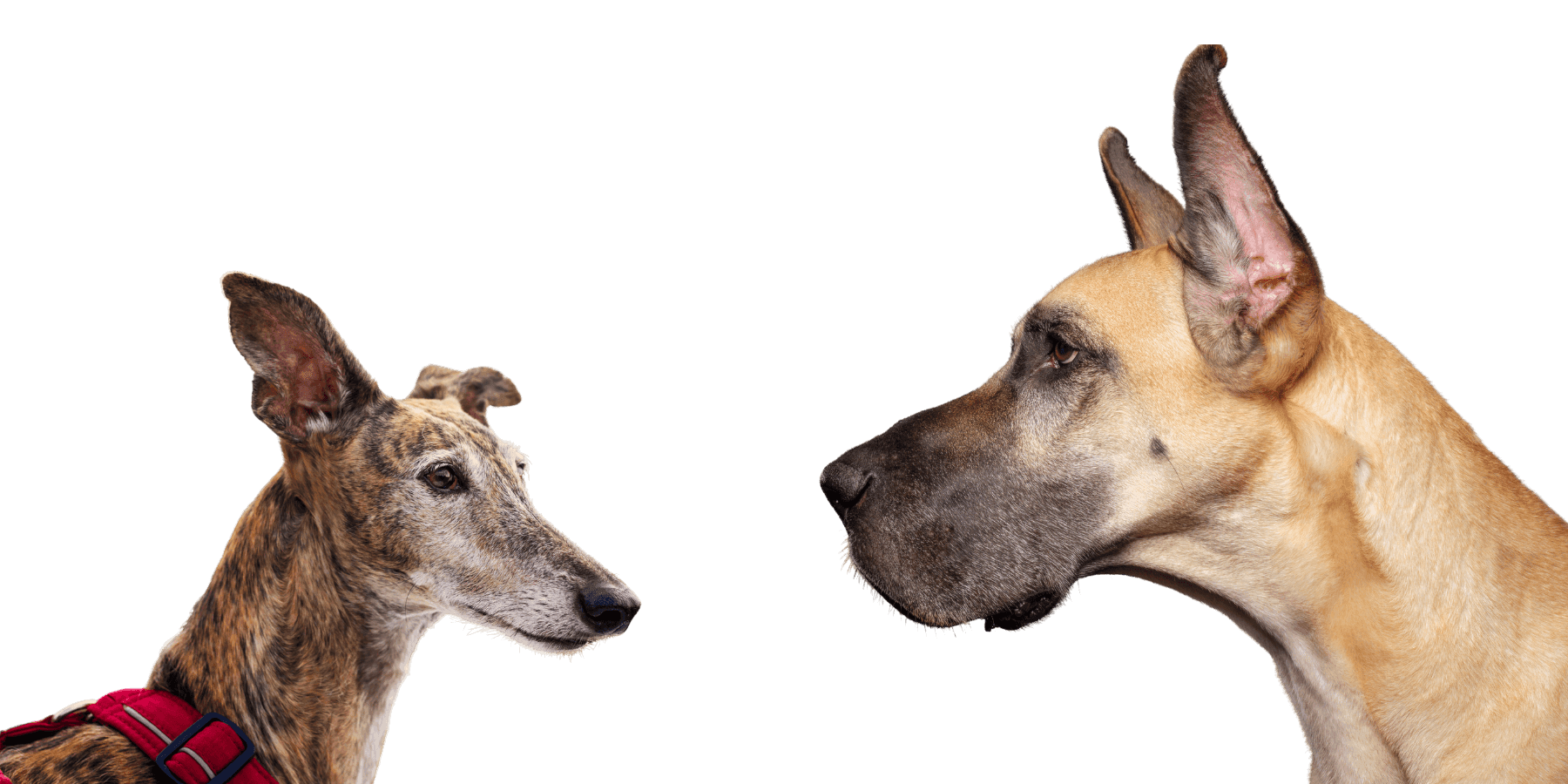
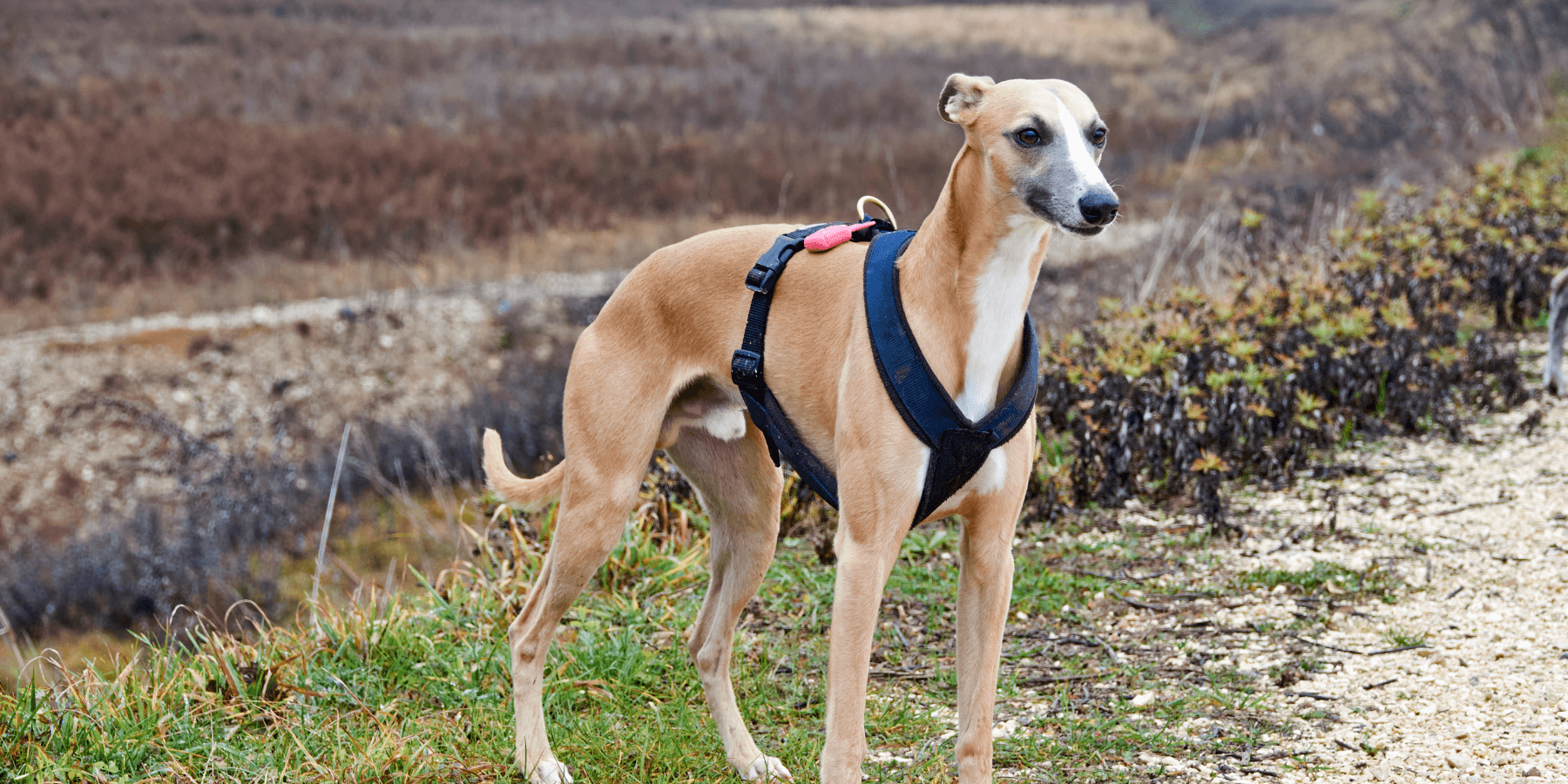
Tall and lean, Greyhounds are the track stars of the dog world. Their long legs, narrow bodies, and deep chests make them incredibly aerodynamic. They can run up to 45 miles per hour, making them the fastest breed on land over short distances. Despite their athletic build, Greyhounds are true couch potatoes at heart.
The Great Dane
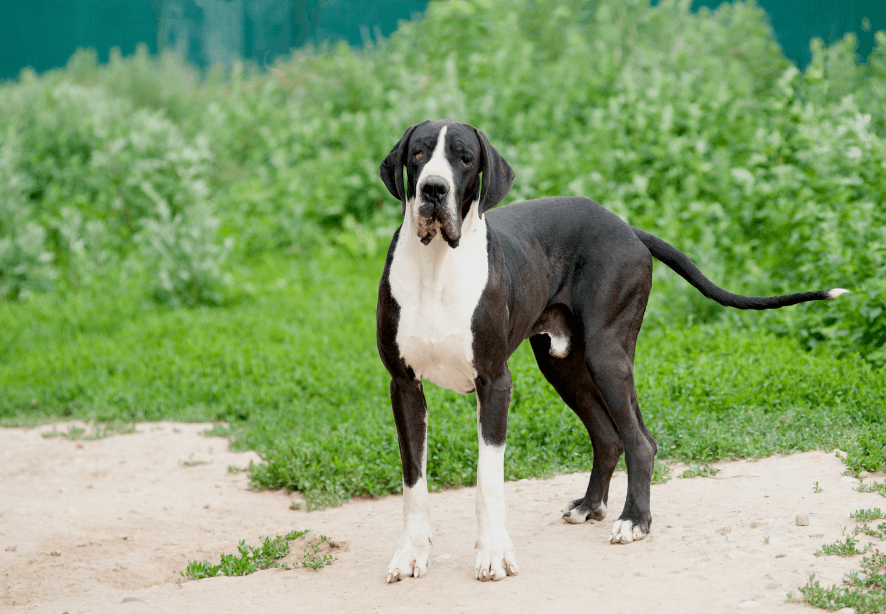
Known as the “Apollo of Dogs,” Great Danes are built like canine skyscrapers. They can weigh up to 200 pounds and stand 32 inches or taller at the shoulder. Their muscular build and elegant stature are as awe-inspiring as their gentle, loving nature. Despite their size, Great Danes are often described as “lap dogs”, don’t be surprised if one tries to sit on you!
Temperament: Couch Potato vs. Family Protector
Greyhound Personality
Don’t let their racing past fool you. Greyhound vs Great Danes couldn’t be more different when it comes to energy levels. Greyhounds are remarkably calm, affectionate, and relaxed indoors. They form deep bonds with their families and enjoy curling up on a soft bed (or your couch). Though they have bursts of energy outside, they’re content with moderate exercise and plenty of naps.
Great Dane Personality
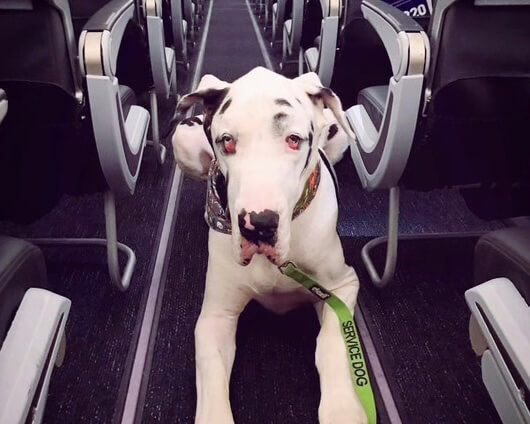
Great Danes are gentle, loyal, and protective, earning them the nickname "Gentle Giants." They are fantastic with children, often acting like oversized babysitters. Their deep, resonant bark makes them excellent watchdogs, though they are more likely to lick an intruder than attack.

Care Needs: What It Takes to Raise These Breeds
Exercise & Activity
- Greyhound: A daily walk or two and occasional sprints in a fenced yard are enough for a happy Greyhound. They are incredibly laid-back indoors and known for being the ultimate lounge dogs.
- Great Dane: Great Danes need daily walks but avoid intense exercise, especially as puppies, to prevent joint problems. Regular activity keeps them fit, but they’re just as happy lounging with the family after playtime.
Grooming & Maintenance
- Greyhound: Minimal grooming required. Their short coats only need weekly brushing and occasional baths.
- Great Dane: Despite having short coats, Great Danes shed frequently and require regular brushing. Be prepared for drool, especially after drinking water!
Health Considerations
- Greyhound: Prone to bloat, dental problems, and joint issues as they age. Regular vet checkups and a high-quality diet can help prevent these problems.
- Great Dane: Due to their size, Great Danes are susceptible to heart issues, hip dysplasia, and bloat. Their shorter lifespan (7-10 years) is a consideration for prospective owners.
Which Breed Is Right for You?
In the end, choosing between a Greyhound vs Great Dane comes down to your lifestyle and preferences. If you want a laid-back yet athletic companion, the Greyhound might be your perfect match. If you’re ready for a loving giant with a protective streak, the Great Dane could be your next best friend. Both breeds offer unmatched loyalty, affection, and joy to any home.
Choose a Greyhound if: You want a low-maintenance, calm companion. You enjoy short daily walks with a laid-back dog who loves napping.
Choose a Great Dane if: You’re ready for a giant, loving dog with an affectionate, protective nature. You have space and time for a large breed that craves human companionship.
Fun Fact Time!
Did you know that a Greyhound’s vision is so sharp they can spot moving objects up to half a mile away? Meanwhile, the tallest dog ever recorded was a Great Dane named Zeus, who stood an astounding 44 inches at the shoulder!
Ready to learn more about big dog life? Visit our Great Dane Blog for fun, educational content about living with these incredible breeds. 🐾❤️