Full Grown Great Dane: What It’s REALLY Like Living with a Gentle Giant
“Is that a dog or a horse?” If you own a full grown Great Dane, you’ve probably answered this question at least 857 times (and counting). These gentle giants don’t just turn heads, they stop traffic.
But what’s life like when you share your home with a dog the size of a small horse? Spoiler: It’s equal parts heartwarming, hilarious, and (sometimes) chaotic. Here’s everything you need to know about caring for your giant best friend, sprinkled with humor, love, and practical tips.
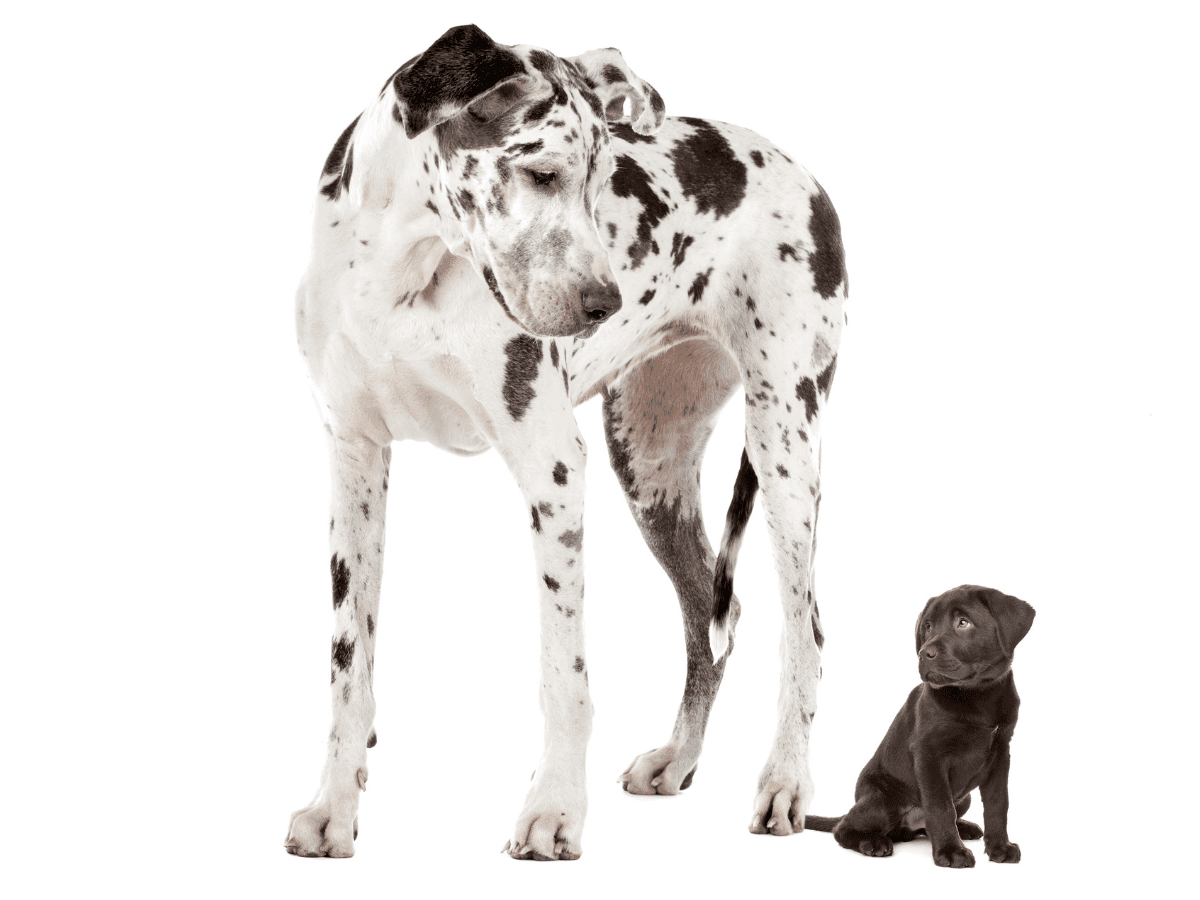
How Big Is a Full Grown Great Dane?
Spoiler Alert: They’re massive.
- Males: 30-34 inches at the shoulder, weighing 140-200 pounds
- Females: 28-32 inches at the shoulder, weighing 100-140 pounds
Fun Fact: A Great Dane named Zeus holds the Guinness World Record for the tallest dog ever. He stood a whopping 44 inches at the shoulder!
Feeding a Full Grown Great Dane: What’s on the Menu?
Feeding a Great Dane isn’t just about volume, it’s about nutrition. Think of their meals as premium fuel for a luxury SUV. Skimp on quality, and you’ll pay the price in vet bills.
Best Food Choices for Great Danes:
- Spot & Tango - Custom fresh meals tailored to your dog’s needs
- Ollie - Human-grade food with high protein content
- Nutri Source Chicken & Rice - Premium kibble designed for large breeds
Pro Tip: Prevent bloat, a life-threatening condition common in Great Danes, by feeding multiple smaller meals per day and avoiding intense exercise after eating.If your Great Dane is a ravenous eater who seems to inhale food in seconds, consider using a slow feeder. Slow feeders are specially designed bowls with ridges, spirals, or maze-like patterns that force your dog to eat at a more controlled pace. This can help prevent choking, indigestion, and even serious conditions like bloat (gastric torsion)
Great Dane Health: Bigger Dogs, Bigger Responsibilities
With great size comes great responsibility. While Great Danes are relatively healthy, their size predisposes them to a few common health issues:
- Hip Dysplasia: Think of it as creaky knees after a long hike—but in dog terms.
- Dilated Cardiomyopathy (DCM): A heart condition that requires regular vet check-ups.
- Bloat (Gastric Torsion): This can happen suddenly, so learn the warning signs and act fast.
Consider Trupanion Pet Insurance for peace of mind. Vet bills for giant breeds can add up fast!
Exercise Needs: Do Great Danes Need to Hit the Gym?
Despite their towering size, Great Danes are surprisingly low-energy. While they enjoy walks and playtime, they’re also world-class nappers.
How Much Exercise Do They Need?
- Daily Walks: 30-60 minutes of walking each day
- Mental Stimulation: Puzzle toys or nose-work games keep their brains sharp
- Fun Indoor Game: Try “Hide the Treat”, scatter treats around your home and let your Dane sniff them out.
Warning: They might still think they’re lap dogs, despite weighing more than your average teenager.
Training a Full Grown Great Dane: Giant Dog, Giant Manners
With a dog this size, good manners aren’t optional-they’re essential. Start training your Great Dane as early as possible using positive reinforcement techniques.
Training Tips:
- Start Early: Socialize your puppy before they become the size of a small car.
- Stay Consistent: Use consistent commands, reward good behavior, and stay patient.
- Teach Essential Commands: "Sit," "Stay," "Leave it," and "Off" are non-negotiables.

Why Great Danes Make Amazing Pets
Despite their size (and their ability to clear a coffee table with one tail wag), Great Danes are incredible companions. They’re affectionate, loyal, and surprisingly gentle with kids and small animals (though they might accidentally sit on your cat).
Final Thoughts: Is a Great Dane Right for You?
Owning a Great Dane is a life-changing adventure filled with joy, laughter, and unforgettable moments. They’re equal parts dog, comedian, and best friend wrapped up in a giant, lovable package.