Limited Vaccines for Dogs: Dr. Jean Dodds Vaccine Protocol
There is a lot of debate surrounding vaccinations for dogs. Some people believe that all dogs should be vaccinated against every possible disease, while others think that dogs should only receive select vaccinations.
Doctor W. Jean Dodds, a world-renowned expert on canine vaccines and immunology, developed a limited vaccines for dogs protocol that could be the answer for dog owners who are looking to vaccinate their pets safely and effectively.
Let's discuss the Dr. Dodds vaccination protocol in detail and explore the benefits of limiting your dog's vaccinations!
Nearly six years ago I was blessed to have Margot enter my life.
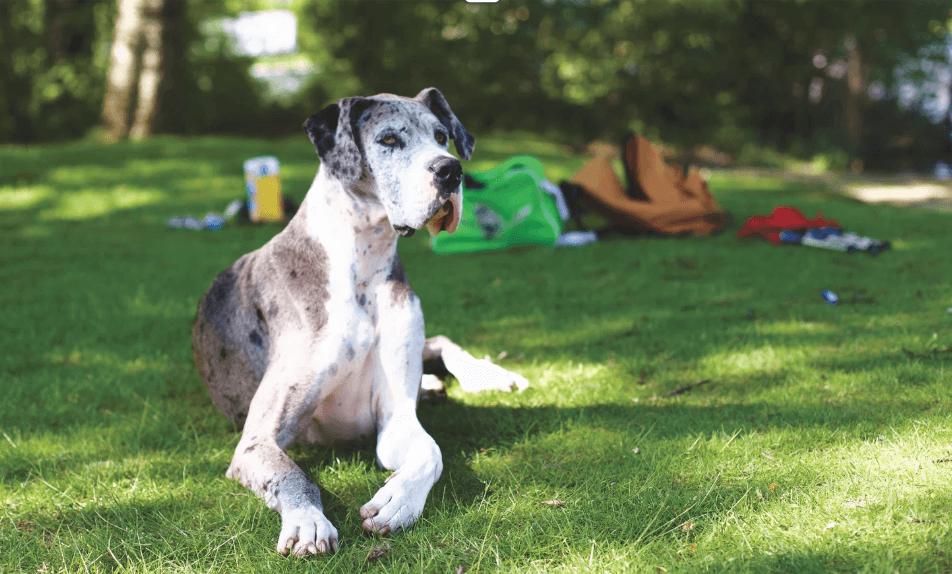
We already had a male black Great Dane "Dakota" who was a senior dane. At this stage in Dakota's life he had already received 27 vaccines! Yes, I counted them :(

My initial thought was "ok, this breeder is crazy" but then she began explaining to me why we would be taking this vaccine approach, what the health benefits were, scientific studies, etc.
My breeder is an EXTREMELY intelligent woman after all, and I had no reason to doubt her other than the brainwashing done to me during my lifetime of vet visits and constant vaccine reminder cards that come in the mail.
And there we went, into each vet check-up with a printout of exactly what vaccines we were going to say NO to. Yup, I had to print them! When I get nervous and forget a lot 😖
I was made to sign an informed consent that I was neglecting to vaccinate!
Let me tell you, most vets will look at you like you have ten heads and some may even refuse to see you and your dog any longer. And scarily enough most vets have never even heard of the Dr. Dodds method! It is vital that you find a vet who is supportive of minimal vaccinations.
TIP: Scroll down to screenshot or print our handy limited vaccine chart
Throughout your dog's lifetime, they will have received over 30 vaccines!
That is a scary number. Why is it so scary? Because over-vaccinating your dog can lead to a number of health problems.
By following the Dr. Dodds method you are limiting the number of vaccines your dog will receive which in turn will reduce the risk of adverse reactions.
So, what exactly is the Dr. Jean Dodds vaccine protocol? Let's take a closer look!
The Dr. Dodds vaccine protocol is based on the principle that dogs should only be vaccinated against diseases that they are likely to encounter during their lifetime. This means that puppies should only be vaccinated against core diseases, such as distemper and parvovirus, while adult dogs should only receive booster shots for these diseases every three years at most.
Canine parvovirus is most common in puppies, but it can affect dogs of any age. Parvovirus attacks the gastrointestinal tract. Non-core vaccines, such as those for Bordetella and Lyme disease, should only be given to dogs who are at risk of exposure to these diseases. For example, if you live in a state with a high rate of Lymes, then the vaccine benefits outweigh the risks.
However, if your dog does not spend a lot of time outside then they would not need the Lyme disease vaccine because they most likely will not contract the disease.

The Dr. Dodds method takes a more holistic and natural approach to vaccinations. She has spent more than five decades as a clinical research veterinarian.
Dr. Dodds focuses on vaccination protocols, thyroid issues and nutrition. This method is not only supported by science but also by leading veterinarians. The Dr. Dodds vaccine protocol has been backed by scientific studies and is endorsed by leading veterinarians, such as Doctor Ronald DVM.
Over vaccinating a young puppy is harmful to their immune system and can lead to a number of health problems later in life.
"A study done in 2004 looked at the antibody levels of puppies vaccinated at different intervals. The study found that there were no significant differences in the antibody levels of puppies vaccinated at either two, four, or six weeks of age. However, the study did find that puppies vaccinated at eight weeks of age had significantly higher antibody levels than those vaccinated at either two or four weeks of age."
This study shows that there is no benefit to vaccinating puppies more than once every six weeks and that doing so may actually be harmful to their immune systems.

The following vaccine protocol has been shown to be safe and effective in preventing disease while minimizing the risk of adverse reactions.
The limited vaccine protocol timeline: [source: Dr. Jean Dodds]
9 - 10 weeks of age
Distemper + Canine Parvovirus, MLV
e.g. Merck Nobivac (Intervet Progard) Puppy DPV
--
14 – 15 weeks of age
Distemper + Canine Parvovirus, MLV
--
18 weeks of age
Canine Parvovirus only, MLV
Note: New research states that last puppy parvovirus vaccine should be at 18 weeks old.
--
20 weeks or older, if allowable by law
Rabies – give 3-4 weeks apart from other vaccines
Mercury-free (thimerosol-free, TF)
--
1 year old
Distemper + Parvovirus, MLV
This is an optional booster or titer. If the client intends not to booster after this optional booster or intends to retest titers in another three years, this optional booster at puberty is wise.
1 year old
Rabies Vaccination – give 3-4 weeks apart from other vaccines
3-year product if allowable by law; mercury-free (TF)
Perform vaccine antibody titers for distemper and parvovirus every three years thereafter, or more often, if desired.
Rabies vaccination is according to the law, except where circumstances indicate that a written waiver needs to be obtained from the primary care veterinarian. Most states require the vaccine every three years. In which case, a rabies antibody titer can also be performed to accompany the waiver request. * Do not vaccinate a female who is in heat or pregnant

As you can see, Dr. Jean Dodds method limits the number of dog vaccinations he will receive over the course of its lifetime. This is a much safer approach to vaccinations and will minimize the risk of adverse reactions. The Dr. Dodds vaccine protocol is the best way to protect your pets from disease and keep them safe.
What are modified live vaccines (MLV) and why are they used in the Dr. Dodds vaccine protocol?
MLV vaccines contain live viruses that have been modified to make them safe for use in animals. These vaccines are extremely effective at protecting against disease and are often used to vaccinate puppies and kittens. However, MLV vaccines can cause side effects, such as fever and diarrhea, so it is important to talk to your veterinarian about the risks and benefits of these vaccines before vaccinating your pet.
What are inactive vaccines (killed) and why are they used in the Dr. Dodds vaccine protocol?
Inactive vaccines, also known as killed vaccines, contain viruses that have been killed with chemicals or heat. These vaccines are not as effective as MLV vaccines, but they are much safer and cause fewer side effects. Killed vaccines are often used to vaccinate adult dogs and cats.
Why is the rabies vaccine given separately from other vaccines?
The rabies vaccine is a killed virus vaccine, which means it does not contain live viruses. This makes it safe to use in animals of all ages, including puppies and kittens. However, because the rabies virus is so dangerous, it is important to make sure that your pet is vaccinated against it according to the law. In some states, puppies and kittens as young as 12 weeks old are required to be vaccinated against rabies.
What is a titer test?
A titer test is a blood test that measures the level of antibodies in your pet's blood. Antibodies are proteins that help protect against disease. Titer tests can be used to determine if your pet is protected against a particular disease. For example, a titer test can be used to check for immunity to the distemper virus. If your pet's titer test shows that they are not immune to a disease, they will need to be vaccinated against it.
Why are titer tests important?
Titer tests are important because they can help you and your veterinarian make informed decisions about your pet's health. Titer tests can be used to determine if your pet is protected against a particular disease, and they can also be used to check for side effects of a vaccine. Titer tests are an important tool in the Dr. Dodds vaccine protocol because they help to ensure that your pet is only receiving vaccines if necessary.
If a vaccine is given to young, how does this hurt my puppy?
Giving a puppy or kitten a vaccine can be harmful because their immune systems are not fully developed. This means that they may have a reaction to the vaccine that can be serious or even fatal.
What about Great Danes and Large Breeds Specifically?
It's not just immune-related disease reactions we need to look out for. Studies are showing many HOD cases are related to or triggered by vaccine reactions in large breeds.
Your puppy has developed fever and lameness after a vaccine and your vet has just diagnosed him HOD.
A vaccine reaction in your puppy looks similar to HOD but is very different. It takes a knowledgeable vet to figure it out.
You can treat your puppy for nutritional HOD with dietary changes and supplements, but if your puppy is having a vaccine reaction the treatment needs to be VERY different. The treatment for a vaccine reaction like this requires IV fluids, antihistamines, and steroids. If you don't treat the reaction, your puppy could die.
See: Clinical manifestations, response to treatment, and clinical outcome for Weimaraners with hypertrophic osteodystrophy: 53 cases 2009–2011
Many dogs are often vaccinated early and frequently, which can put them at risk for developing skeletal problems later in life.
The Dr. Dodds vaccine protocol is the ONLY way to protect your giant breed dog from disease and keep them safe.
Will the limited vaccine method ever be accepted by the veterinary community?
Jean Dodds is considered one of the foremost experts in pet healthcare who is pioneering and revolutionizing pet health. The limited vaccination method is slowly gaining acceptance within the veterinary community. However, there are still many veterinarians who are not familiar with this method or do not feel comfortable using it. If you are interested in using the limited vaccination protocols recommended, you should talk to your veterinarian about it and see if they are willing to work with you. You may also want to consider finding a new veterinarian who is familiar with this method and is willing to use it.
More and more veterinary schools are teaching new principles of immunology and vaccinology that question the need for annual booster vaccinations for dogs and cats. Many now recommend waiting at least three years between core vaccinations, and some even longer. The American Animal Hospital Association (AAHA) Canine Vaccination Task Force recently released new guidelines that state, "there is no scientific justification for giving most vaccines every year." The task force also recommends against using certain high-risk vaccinations, such as the Bordetella vaccine, unless your pet is at high risk of exposure to the disease.
The American Veterinary Medical Association (AVMA) promotes vaccination guidelines, based on the work and recommendations of the American Animal Hospital Association (AAHA). The AVMA also recognizes that some pet owners may choose to limit the number or frequency of vaccinations for their animals and supports the veterinarian's role in working with the pet owner to make informed, individualized decisions about vaccinating their animal. The vaccination guidelines separate vaccines into two categories: core and non-core. Core vaccines are those that protect against diseases that pose a threat to the health of all pets, such as rabies and distemper. Non-core vaccines are those that protect against diseases that pose a threat to only some dogs, such as Bordetella (kennel cough) and Lyme disease. The AVMA recommends that all dogs be vaccinated for core diseases, but the decision to vaccinate for non-core diseases should be made on an individual basis, based on the dog's risk of exposure to the disease.
How do I find a holistic approach vet for my pets?
If you are interested in finding a holistic veterinarian for your pet, you can search the American Holistic Veterinary Medical Association's website for a list of holistic vets in your area. You can also ask your regular veterinarian if they are familiar with holistic medicine and whether they would be willing to refer you to a holistic vet. Holistic veterinary care has become popular so it's always best to call first and make sure that they are accepting new patients.
Schedule your first couple of consultations as virtual visits so you can get a feel for the vets' personalities and professional judgment without having to travel. Most vets are happy to see patients virtually on a consult. This will also give you a chance to ask any questions that you may have about their holistic approach to pet care and any other protocols and methods of treatment.
Do your research, ask around, and trust your gut. With a little effort, you should be able to find a holistic veterinarian that is a good fit for you and your pet.
What are the benefits of using holistic care for my pet?
There are many potential benefits to using holistic care for your pet. Some people believe that holistic care is more natural and therefore has fewer side effects than traditional veterinary medicine. Holistic care may also be more effective at treating the underlying cause of a disease or condition, rather than just treating the symptoms. When used in conjunction with traditional veterinary medicine, holistic care may also help to reduce the dosage of medication required or the frequency of treatments.
Holistic care is not just about using natural remedies. It is also about creating a healthy environment for your pet, both physically and emotionally. This includes providing plenty of exercise, good nutrition, and plenty of love and attention. Creating a positive environment can help to prevent disease and improve your pet's overall health.
If you are considering using holistic care for your pet, be sure to do your re
search and talk to your veterinarian about the best approach for your pet.
THESE ARE TWO apps that offer Patients Virtual Visits: Vetster and Chewy Vet Connect


Conclusion: Adverse reactions to vaccines can be as minor as a lump or bump at the injection site that goes away within a few days, to more severe reactions such as anaphylaxis (a sudden, potentially life-threatening allergic reaction). If your dog has a reaction to a vaccination, it is important to contact your veterinarian right away and make sure they are aware of the reaction so they can treat it accordingly. You should also keep a close eye on your dog for the next few days and watch for any other signs of illness or reaction.
Implement a limited vaccine schedule for your dog to avoid devastating reactions.
If you need financial help getting your puppy vaccines you can visit freepetvaccines.org a non-profit vaccine organization. This will populate sites near you that offer free vaccines.
Have your pets ever had an adverse reaction to a vaccination? If so, we would like to know. Send US A MESSAGE
Please help support us and check out our great assortment merch
The content on my blog does not provide medical advice. Always consult a medical provider for diagnosis and treatment of your beloved companion animals