White Great Danes: The Stunning Truth
When it comes to Great Danes, their towering size and elegance already command attention. But a White Great Dane? These majestic dogs stand out for their striking coats and unique characteristics, but there’s more to them than their appearance.
What Is a White Great Dane?
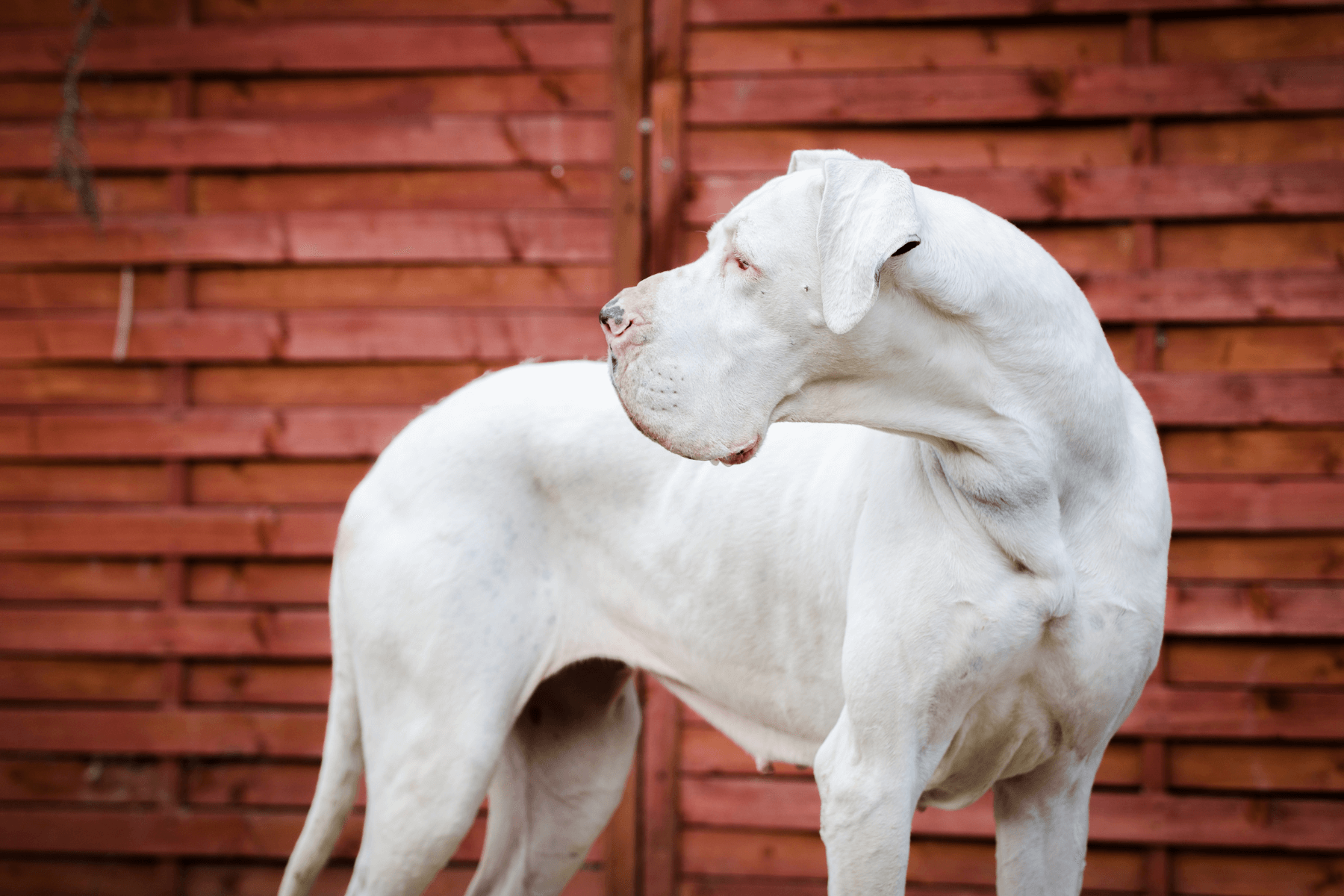
A White Great Dane isn’t simply a Great Dane with a light-colored coat. Their white coloring is typically the result of specific genetic factors. Unlike some breeds where white is just a coat color, in Great Danes, the white coat is often associated with the merle gene. This gene can produce dogs with white coats, but it also comes with potential health implications.
White Great Danes are not albino; they possess pigmentation in their skin and eyes. However, their predominantly white coat often results from a Double Merle (Homozygous Merle) genetic combination. This occurs when two merle-patterned Great Danes are bred together, resulting in a dog with two copies of the merle gene. While the result can be visually striking, it is the product of irresponsible breeding practices and can lead to serious health issues.
Understanding Double Merle in White Great Danes
Double Merle is the term for dogs that inherit the merle gene from both parents. While a single copy of the merle gene creates beautiful mottled patterns, two copies can disrupt normal pigment production. This often results in White Great Danes with significant health challenges. Unfortunately, Double Merles are often the unintended (or, in some cases, intentional) result of poor breeding practices.
Here’s why Double Merle breeding is problematic:
- Health Risks: Double Merles are prone to deafness, blindness, and other sensory impairments due to the lack of pigmentation in their ears and eyes. Approximately 80% of White Great Danes are born deaf, and 50% suffer from some degree of vision impairment.
- Ethical Breeding Concerns: Responsible breeders avoid producing Double Merles because of the predictable health issues. Intentionally breeding two merle dogs is widely considered unethical and prioritizes appearance over the well-being of the dogs.
- Increased Veterinary Needs: Double Merles often require additional medical care and specialized training, adding to the challenges of ownership.
Are White Great Danes Rare?
Yes, they are relatively rare. Their rarity stems from the specific genetic combinations required to produce their striking coat. However, their uniqueness comes with significant health challenges, making them less desirable from an ethical breeding standpoint. Reputable breeders focus on health and temperament over appearance, which is why White Great Danes are often found in rescue organizations rather than through responsible breeding programs.

Health Concerns in White Great Danes
Their health risks are directly tied to their genetics. As previously mentioned, the Double Merle gene combination is the root cause of many of these issues. Here are some of the most common health concerns:
- Deafness: Many White Great Danes are born deaf in one or both ears due to the lack of pigment-producing cells in the inner ear.
- Vision Problems: Eye abnormalities, including microphthalmia (small eyes), can cause partial or complete blindness.
- Skin Sensitivity: White-coated Great Danes are more prone to sunburn and related skin issues, requiring extra care and protection during outdoor activities.
- Infections and Chronic Conditions: Like all Great Danes, white ones are prone to breed-specific health problems such as bloat, hip dysplasia, and heart disease. These issues can be compounded by the additional challenges related to sensory impairments.
Caring for a White Great Dane
White Great Danes require specific care to ensure they live happy, healthy lives:
- Regular Vet Checkups: Monitor their hearing, vision, and overall health with routine veterinary visits.
- Skin Protection: Their white coats make them more susceptible to sunburn. Use pet-safe sunscreen and avoid long periods in direct sunlight.
- Specialized Training: Deaf or blind Great Danes can thrive with proper training. Hand signals or touch-based communication are excellent alternatives to verbal commands.
- Proper Nutrition: Feed your Dane a high-quality diet designed for large breeds. Learn more about dietary needs in our guide on how much Great Danes eat.
- Mental and Physical Stimulation: Provide interactive toys and regular exercise to keep them mentally and physically engaged. Adjust activities as needed for sensory impairments. Adopting a White Great Dane
If you’re considering adding a White Great Dane to your family, adoption is often the best route. Many Double Merle dogs end up in rescues due to their health challenges. By adopting, you’re giving a dog in need a loving home while avoiding unethical breeding practices.
Before adopting, make sure you’re prepared for the potential health and care requirements. With patience, understanding, and proper support, a White Great Dane can thrive as a cherished family member.
Conclusion: The Stunning Truth About White Great Danes
White Great Danes are beautiful and unique, but their beauty comes with a responsibility. Understanding the challenges posed by Double Merle genetics is crucial for ensuring these dogs lead happy, healthy lives. Whether you’re drawn to their appearance or their loving personalities, a White Great Dane will require extra care and attention—but the rewards are immeasurable.
Interested in learning more about Great Dane care? Check out our guide on how much Great Danes eat to help your gentle giant thrive.