Merle Great Dane Color Genetics: Unlocking the Science Behind the Coat
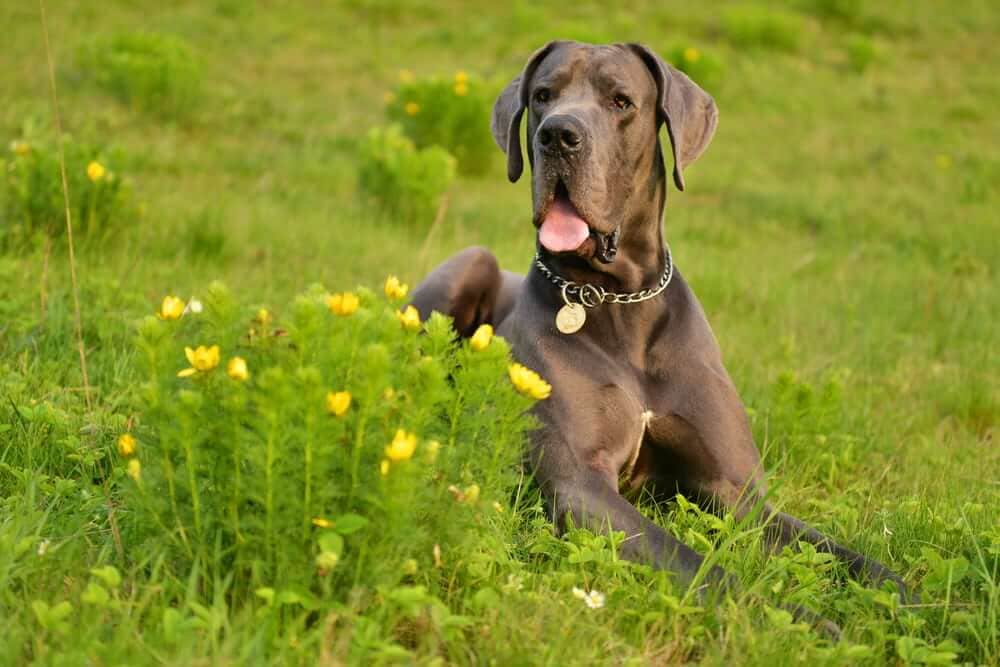
Few coat patterns are as eye-catching as the Merle Great Dane. Their signature marbled appearance has intrigued breeders and dog lovers for centuries. But what makes a Great Dane “merle,” and how does this unique coat come to be? In this article, we’ll break down the science of merle genetics, explain mantle merle, and uncover the complexities behind breeding these stunning giants.
What Is Merle in Great Danes?
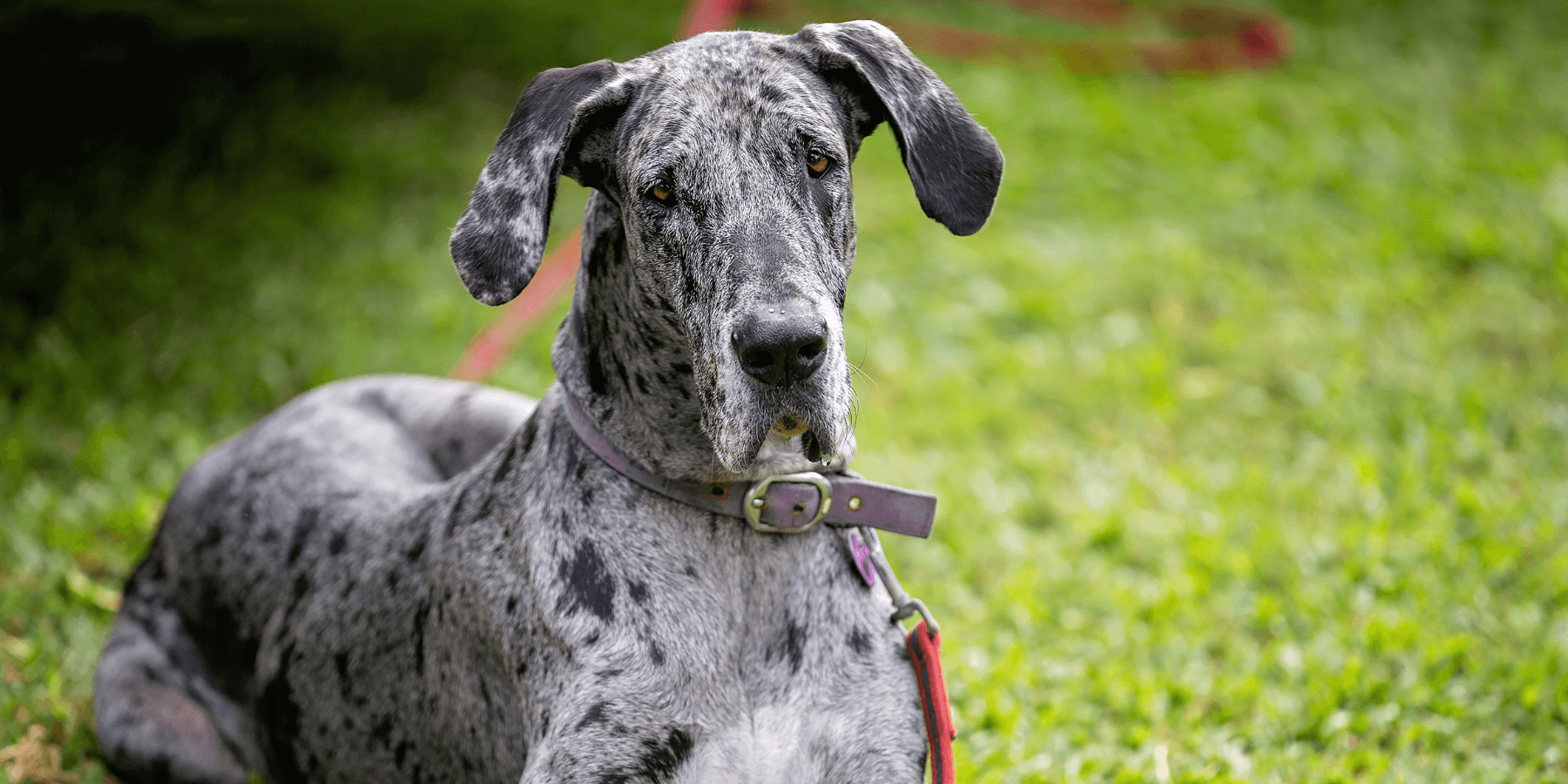
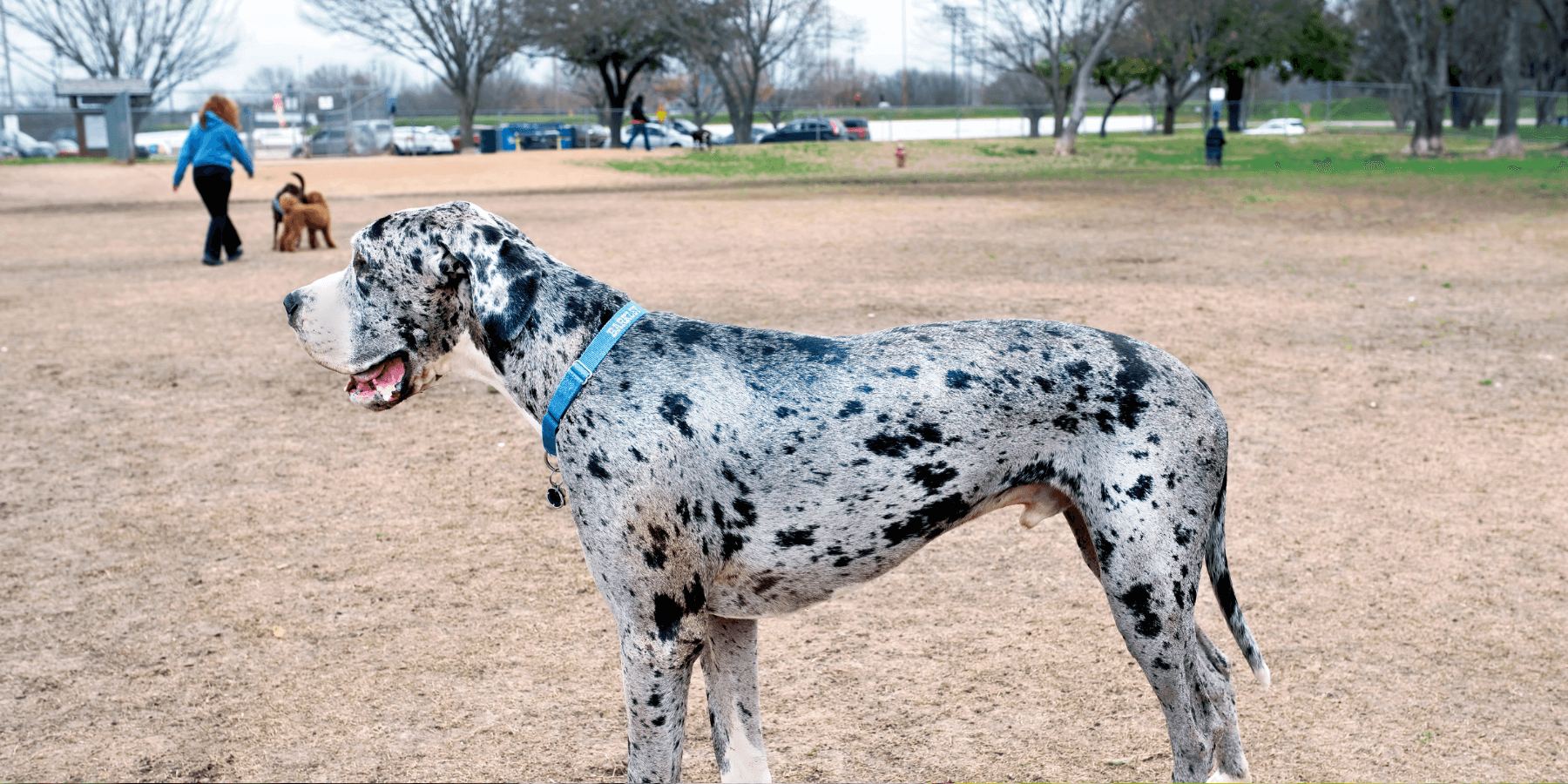
The term "merle" refers to a genetic coat pattern characterized by patches of color on a lighter background. In Great Danes, this typically appears as dark spots or splashes on a gray or blue base coat, though the specific shades can vary widely. This unique pattern results from a dominant gene known as PMEL, which modifies the distribution of pigment in the dog's coat.
Learn more about the science of Merle in Dogs on AKC.

How Merle Genetics Work
For a Great Dane to exhibit a merle coat, it must inherit a single copy of the merle gene from one parent. The genetic combinations are as follows:
- Non-Merle (mm): The dog has two non-merle genes and displays a solid coat color without merle patterning.
- Merle (Mm): The dog inherits one merle gene and one non-merle gene, resulting in the characteristic merle coat pattern.
- Double Merle (MM): The dog inherits two merle genes, leading to extensive white patches and a higher risk of health issues such as hearing and vision impairments.
Important: Responsible breeders avoid mating two merle-patterned dogs to prevent producing double merles, which are more susceptible to health complications.
The Unique Mantle Merle Explained
You may have heard of the term Mantle Merle—but what exactly does it mean?
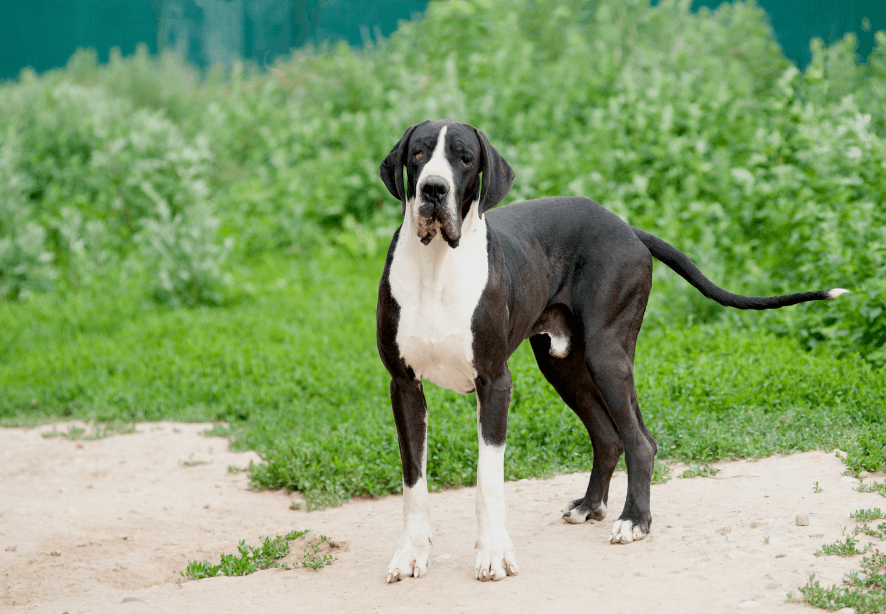
Mantle Merle refers to a specific color variation in which a Great Dane displays both merle and mantle patterning. Mantle Great Danes have a distinct black-and-white “tuxedo-like” coat. When the merle gene is present, the black areas in a mantle dog’s coat become splashed with the characteristic merle pattern.
How It Happens
- A Mantle Merle Great Dane has a base mantle coat but inherits a single merle gene from one parent.
- This causes merle patches to appear in the typically black areas of the mantle pattern.
- Their coat becomes a unique combination of classic mantle and merle marbling, creating a truly one-of-a-kind appearance.
Fun Fact: While mantle merle isn’t considered a "show color" by some kennel clubs, it’s highly sought after by pet owners for its stunning, artistic appearance.
 The History of Merle in Great Danes
Merle coloring has been present in Great Danes since the breed’s early development, but it wasn’t always recognized. For many years, merle Great Danes were considered “mismarked” or undesirable in the show world, despite their striking beauty.
Breed Standard Acceptance
In 2018, the American Kennel Club (AKC) officially recognized merle as an acceptable breed color for Great Danes, making it eligible for conformation events. This recognition came after years of advocacy from breeders who understood the genetics behind the coat and wanted to see it embraced.
Why Merle Genetics Matter in Breeding
While merle coats are beautiful, breeding for this coat requires a deep understanding of genetics. A single merle gene creates the stunning marbling effect, but two merle genes can be problematic.
What Is a Double Merle?
- Double Merle: Occurs when both parents pass down the merle gene (MM).
- Health Risks: Double merles often have mostly white coats and are at high risk for deafness and blindness.
- Skin Sensitivity: They may also have skin sensitivity due to lack of pigmentation.
Responsible Breeding Tip: To avoid producing double merles, breeders should only pair a merle Great Dane with a non-merle mate, such as a black or mantle Dane.
Final Thoughts on Merle Great Dane Genetics
Understanding the genetics behind merle coloring in Great Danes isn’t just fascinating—it’s essential for anyone considering owning or breeding these dogs. With responsible breeding practices and a focus on health over appearance, merle Great Danes can live long, happy lives while showcasing their extraordinary coats.
Want to learn more about Great Dane genetics and unique coat patterns? Let us know!