Thanksgiving Dinner for Dogs: The Rice That Got Away
Table of Contents
- My first Thanksgiving dinner for dogs: what went into the batch
- A dinner of their own beats a plate of Thanksgiving scraps
- The rice lesson: be mindful of the whole bowl 😵💫
- Slow cooking: tender meat takes time
- How I pack Thanksgiving dinner for dogs for the freezer
- How I serve Thanksgiving dinner for dogs
- Thanksgiving dinner for dogs when you have no time to cook
- A holiday meal does not have to be perfect
- FAQs
Thanksgiving dinner for dogs is happening ahead of time in my kitchen this year: a slow-cooked batch of beef, pork, vegetables, cranberries, spinach and rice, packed into flat bags for the freezer. And when I say rice - I meant it 😆. My first batch was not perfect. There was more rice than I would have liked, but I didn’t want to waste it. But that is part of sharing what actually happens when you make food at home.
The meat cooked until it fell apart, the vegetables softened, and the finished food went into sealed portions. When it is time to serve, each bag will be defrosted and finished with a dollop of plain yogurt, a drizzle of olive oil and a generous sprinkle of wheat germ. That is my serving routine, rather than a measured topping recommendation for every dog.
My first Thanksgiving dinner for dogs: what went into the batch
This was a beef-and-pork dinner, so there is no rule that a dog’s holiday meal has to contain turkey. The Thanksgiving feeling comes from making something special for them and having it ready before the day gets busy.
My batch notes include:
- 3.55 pounds of raw 93/7 ground beef.
- 4.9 pounds of boneless pork loin.
- 5 cups of dry white rice, which became more rice than I wanted in the finished mixture.
- Carrots, sweet potatoes, butternut squash and a generous handful of spinach.
- One 12-ounce bag of cranberries.
There is a lot to appreciate in a bowl like this: beef and pork provide protein, rice supplies energy, and the vegetables add variety and fiber. I can choose the ingredients going into my dogs’ holiday dinner and plan their portions before the Thanksgiving plates start being passed around.
A dinner of their own beats a plate of Thanksgiving scraps
For me, the biggest advantage of making Thanksgiving dinner for dogs separately is keeping their food away from the rich, seasoned dishes on our table. Gravy, stuffing, buttery sides, fatty turkey skin and cooked bones are not the holiday extras I want ending up in their bowls. A planned dog dinner gives them their own part in the celebration without a collection of leftovers from everyone else’s plates.
The AKC’s Thanksgiving food guide explains why those dishes can be a problem. Small amounts of plain, suitable foods can be shared with many dogs; preparation and portions make the difference. Setting food aside for them before adding sauces and seasonings is a more thoughtful approach than handing over mixed table scraps.
This is my personal holiday batch, not a verified complete-and-balanced diet; an everyday homemade feeding plan needs a qualified veterinary nutritionist’s formulation.
The rice lesson: be mindful of the whole bowl 😵💫
I overshot the rice on this first batch. Five cups dry seemed reasonable until it cooked and I realized I had made a side dish for everyone on my street. I didn’t want to waste it, so it stayed. Next time, I’ll remember that rice expands whether or not I’ve planned for it.
Rice is not a bad ingredient. Carbohydrates provide energy, but rice, sweet potatoes and squash all add up. Apparently, my approach was “a little of this, a little of that,” followed by a brief moment of looking into the pot and accepting responsibility.
For Thanksgiving dinner for dogs, I would rather plan the whole meal than keep adding ingredients because each one sounds healthy. The toppings and holiday treats count, too. My dogs will not be reminding me of this, so that part is my job. If you are following a professionally formulated recipe, work with the formulator on changes rather than cutting out rice or adding more meat by eye
Slow cooking: tender meat takes time
My batch took almost seven hours in the slow cooker, with the meat cooked until it fell apart. That is what happened with this batch, not a guaranteed cooking time for every appliance, cut size or quantity.
Before trying a batch like this, match the amount of food to the cooker. More than eight pounds of meat plus vegetables is a substantial quantity. Do not assume it will fit safely into one ordinary size slow cooker. I used my Ninja MultiPot XL 14 quart multicooker and it fit everythging nicely. Check the manual for capacity, permitted meat sizes, liquid requirements and heat settings and divide the batch when necessary.
- Start with thawed meat. Thaw it in the refrigerator before slow cooking. Wash hands, utensils and work surfaces after handling raw beef and pork, and keep serving toppings away from the raw-meat preparation area.
- Prepare the vegetables. Wash the carrots, sweet potatoes, squash and cranberries. Rinse the spinach. Remove squash seeds and tough skin, and cut the vegetables into manageable, reasonably even pieces. Use plain ingredients rather than sweetened cranberry sauce or seasoned vegetable mixes.
- Load the cooker according to its instructions. USDA slow-cooker guidance recommends keeping the cooker roughly half to two-thirds full and putting slower-cooking vegetables in first. Follow the appliance’s instructions for liquid and safe cut sizes. Keep onions, garlic, gravy and seasoned stock out of the dog’s batch.
- Use a tested cooking plan for the cooker. Start cooking promptly and keep the lid on as much as practical. Do not use an unattended delayed start with raw meat. My nearly seven-hour result should not be used to guess a setting or liquid quantity for a different cooker.
- Check temperature before relying on texture. Because this batch includes ground beef, check that the meat mixture reaches at least 160°F with a food thermometer. Shreddable pork is a texture goal, not a substitute for a temperature check. Break up the beef and shred the cooked pork with clean utensils once safely cooked and tender.
- Keep track of the rice. Measure it dry, account for its cooked expansion and follow the rice package’s cooking directions if preparing it separately. Do not assume five cups of dry rice will produce the same finished volume with every method.
The USDA’s slow-cooker guidance is useful for the preparation checks, and its safe cooking temperatures explain why the thermometer matters. Slow cooking does not remove the need for safe handling.

How I pack Thanksgiving dinner for dogs for the freezer
The flat bags are the part of this project I want ready before Thanksgiving. My portions are packed, sealed, flattened and frozen, so I can take out a bag instead of starting another cooking session on the holiday.
For anyone preparing their own batch, cooling comes before stacking. Divide cooked food into small, shallow containers and refrigerate promptly; do not leave a large pot on the counter until it reaches room temperature. Once chilled, transfer it into food-safe freezer bags, press the portions flat, seal and label them with the date and ingredients. Leave enough space to close the bags securely, and freeze them flat before stacking.
USDA leftover-storage guidance calls for refrigeration within two hours, or one hour when temperatures exceed 90°F, and using refrigerated leftovers within three to four days. Freeze the portions you will not use in that window. A sealed bag does not make food shelf-stable or remove the need to keep it cold.
Make each portion fit your dog’s feeding plan rather than treating “one bag” as a universal serving. The amount in my photograph is not a portion chart for a smaller dog, a puppy or another Great Dane.
How I serve Thanksgiving dinner for dogs
Each bag gets defrosted before serving. The simplest safe plan is to move the next portion into the refrigerator ahead of time, in a dish that catches any leaks. Do not thaw it on the kitchen counter.
My finishing touches are a dollop of plain yogurt, a drizzle of olive oil and a generous sprinkle of wheat germ. Those are descriptions of what I add, not exact doses for readers to copy. Oil adds concentrated calories, yogurt does not agree with every dog, and wheat germ is unsuitable for a dog that needs to avoid wheat.
Choose plain, unsweetened yogurt without xylitol or other added sweeteners. The AKC’s yogurt guidance explains why some dogs have trouble digesting it.
Serve in a clean bowl and wash it afterward. Our dog-bowl cleaning guide covers the routine that is easy to overlook when the food itself gets all the attention.
Thanksgiving dinner for dogs when you have no time to cook
It is only human to look at all of this and say, “I do not have time for that.” Most of us do not have a spare afternoon for chopping, slow cooking, cooling, packing and cleaning. Making Thanksgiving dinner for dogs should not become another reason to feel guilty during an already busy week.
If what appeals to you is food made with recognizable meat and vegetables, rather than the cooking project itself, there are prepared options worth considering. They are different products with their own recipes, feeding directions and handling requirements, not nutritional copies of my batch.
The Farmer’s Dog: a cooked option without the batch cooking
The Farmer’s Dog fresh food plans are the closer match to the cooked-food approach here. The brand’s Fresh line is gently cooked and delivered frozen, with portions based on the dog information used to build the plan. That can remove the shopping, cooking and bagging work while keeping a prepared meal routine.
Check the specific recipe’s nutritional-adequacy statement, life-stage suitability, storage directions and full ongoing price before choosing. A delivery plan still needs freezer space and refrigerator thawing. I am describing the service, not claiming to have tested its food myself.
Maev: a different format to understand before choosing
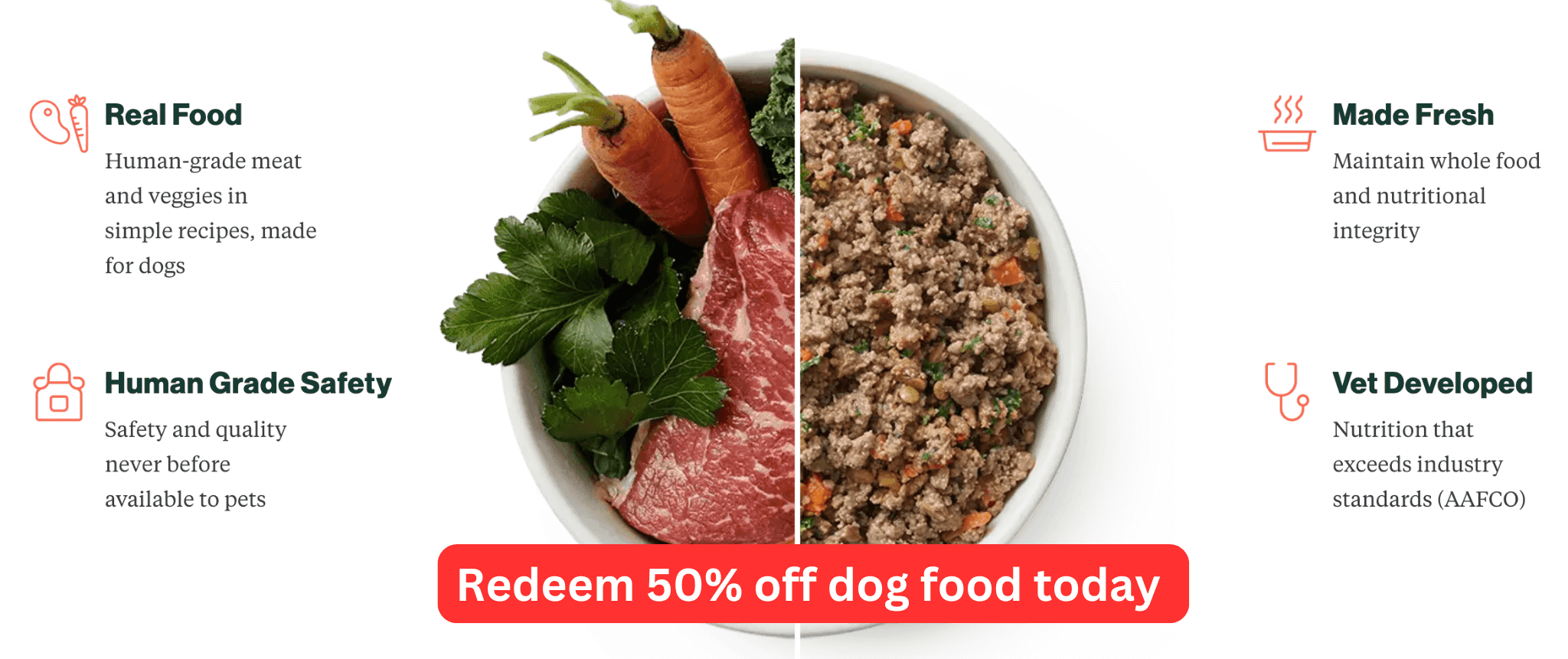
Maev’s frozen raw dog food also combines meat and other whole-food ingredients without asking you to cook a batch. The important difference is that it is raw, rather than slow-cooked like mine. Check the exact recipe and feeding instructions for your dog instead of assuming the two approaches are interchangeable.
A holiday meal does not have to be perfect
My first Thanksgiving dinner for dogs had more rice than I intended. Next time I will plan that part more carefully. This time, I have the batch packed and frozen, ready to defrost and finish for my dogs on Thanksgiving.
You can make a thoughtful holiday moment without reproducing my whole cooking project. If a small packaged reward fits your dog’s routine better, our Thanksgiving treat ideas offer another route. Homemade, prepared or simply your dog’s usual food served with care: the useful choice is one that fits their nutritional needs and your real life.
FAQs
Can dogs have a homemade Thanksgiving dinner?
A separately prepared holiday portion can let your dog join the celebration without rich, seasoned table scraps. Choose ingredients and amounts that suit your dog, and keep gravy, stuffing, fatty turkey skin and cooked bones out of the bowl.
Does Thanksgiving dinner for dogs have to contain turkey?
No. My batch uses slow-cooked beef and pork with rice, vegetables and cranberries. The important part is choosing suitable ingredients and portions, rather than matching the protein on the Thanksgiving table.
Can you freeze homemade dog food in flat bags?
Yes. Cool the food promptly in shallow containers in the refrigerator, then transfer it into food-safe freezer bags. Flatten, seal, label and freeze the portions. Defrost each bag in the refrigerator before serving.
Is rice bad for dogs?
Rice can provide energy. The amount matters, especially when the meal also contains sweet potatoes and squash. My first batch had more rice than I intended, so next time I will plan the starch portion more carefully.
Is this recipe a complete everyday diet?
Its full nutritional profile has not been verified. This is my personal holiday batch; a regular homemade diet needs a qualified veterinary nutritionist’s formulation.